

A stroke can change your life in an instant. One day everything feels normal, and the next you are navigating a world that suddenly works very differently.
Doctors and therapists often focus on the most urgent parts of recovery: stabilizing your health, preventing another stroke, and starting rehabilitation. And, those steps are incredibly important.
However, many survivors and caregivers discover that life after stroke includes many emotional, mental, and practical challenges that were never fully explained.
If you are feeling surprised by what recovery actually looks like, you’re not alone.
In this article, we’ll explore 15 truths about life after stroke that many survivors discover along the way. Some may feel difficult at first, while others may offer reassurance and hope. But most importantly, understanding these realities can help you move forward with more confidence, patience, and self-compassion.
Let’s dive in!
Truth #1: Recovery Takes Longer Than Most People Expect
One of the most common surprises for survivors and their life after stroke is how long recovery can take.
Many people assume that recovery happens within weeks or a few months. While some improvements may happen quickly, the brain often continues healing for months and even years.
This happens because of neuroplasticity, the brain’s ability to reorganize and form new neural pathways. With consistent practice and therapy, your brain can slowly relearn lost skills.
That said, progress may feel slow at times. Some weeks you may notice big improvements. Other weeks may feel like nothing is changing.
Both experiences are normal.
Recovery is rarely a straight line. Instead, it often looks like gradual progress over time with occasional plateaus along the way.
Truth #2: Fatigue After Stroke Is Real
Many survivors are surprised by how tired they feel after a stroke. This includes both their everyday life after stroke as well as throughout rehab and recovery activities.
Even simple activities such as talking, concentrating, or walking around the house can feel exhausting. This type of exhaustion is often called post-stroke fatigue, and it can happen even if you are getting enough sleep.
There are a few reasons for this:
- Your brain is working harder to complete everyday tasks
- The body is using extra energy to heal
- Cognitive and physical functions often require more effort than before
Because of this, pacing yourself becomes an important part of recovery.
Helpful ways to manage fatigue include:
- Taking scheduled rest breaks
- Prioritizing the most important tasks each day
- Breaking large tasks into smaller steps
Over time, many people find that their energy gradually improves.
Truth #3: Your Emotions May Feel Different
Emotional changes are very common after a stroke and it can affect everybody differently.
Some survivors may feel more sensitive, while others may experience mood swings, frustration, anxiety, or sadness. In some cases, emotional responses may feel stronger or harder to control.
While adjusting to life after stroke can bring a wide range of feelings, emotional changes can also happen when a stroke affects the parts of the brain responsible for emotional regulation.
For example, you may feel:
- Grief about lost abilities
- Frustration with slow progress
- Fear about the future
- Gratitude for survival and support
All of these emotions are valid. However, it is important to find a way to effectively express and process your emotions.
Talking with a counselor, support group, or trusted loved one can make a big difference during this stage of recovery.
Truth #4: Small Wins Become Huge Milestones
Before a stroke, everyday tasks often happen automatically. But after a stroke, even simple achievements can feel like major victories.
For example, it may feel like a major accomplishment to:
- Button a shirt
- Hold a utensil
- Take a few independent steps
- Say a word clearly
These moments may seem small to others, but they represent real neurological progress.
Celebrating these milestones is important. Each one reflects your brain adapting and learning, keeping you motivated to hit the next goal. Some survivors enjoy keeping a recovery journal so they can really see and celebrate how much progress they’ve made.
Truth #5: Some Friends May Not Understand Your Life After a Stroke
One difficult reality many survivors face is that not everyone understands what recovery looks like.
Some people may assume that because you look “better,” you are fully recovered. Others may not realize how much effort daily tasks require.
This can feel isolating.
However, it may help to remember that most people simply do not understand stroke unless they have experienced it themselves. To them, the invisible symptoms of stroke – like fatigue, sensory sensitivities, and pain – are just that: invisible.
Connecting with others who share similar experiences can be incredibly helpful.
Stroke support groups, online communities, and rehabilitation programs often provide a space where people truly understand what you are going through.
In addition, talking with your friends and family to help them understand what you might be going through can be helpful for both you and them!
Truth #6: Therapy Does Not End When Rehab Ends
This might be the most important truth that many survivors learn in their life after a stroke.
Many survivors believe therapy ends once formal rehabilitation sessions stop. In reality, recovery can continue at home long after discharge.
The brain changes through repetition and practice, which means continuing exercises at home can play a powerful role in recovery.
Examples of ongoing practice may include:
- Hand and arm exercises
- Walking practice
- Speech exercises
- Cognitive games
Even small daily practice sessions can encourage the brain to keep adapting. Staying consistent is what allows survivors to continue recovering even years later.
Truth #7: Progress May Happen in Unexpected Ways
Stroke recovery rarely follows a predictable pattern.
For instance, you may spend weeks working on hand movement without seeing improvement. Then suddenly, one day you notice your fingers can move slightly more than before.
These breakthroughs often happen because the brain has been slowly building new connections behind the scenes.
Progress can also show up in surprising ways.
For example:
- Improved balance
- Better coordination
- Increased endurance
- Faster thinking
Even if the changes feel subtle, they are signs that your brain is continuing to adapt.
Truth #8: Cognitive Changes Are Common
Stroke does not only affect physical movement. It can also influence thinking skills.
Some survivors notice changes in:
- Memory
- Attention
- Problem solving
- Multitasking
These cognitive challenges can feel frustrating, especially when tasks that once felt simple suddenly require more effort.
However, the brain can often improve these skills with practice. Activities that stimulate the brain may help, such as:
- Puzzles or word games
- Reading
- Strategy games
- Memory exercises
Over time, many survivors see gradual improvements in cognitive function.
Truth #9: Caregivers Also Experience a Major Adjustment
When someone has a stroke, their loved ones often take on new roles as caregivers.
Caregivers may help with:
- Transportation to therapy
- Household tasks
- Medication management
- Emotional support
While caregiving can be deeply meaningful, it can also be physically and emotionally demanding.
Because of this, caregivers also need support.
Taking breaks, asking for help, and connecting with caregiver support groups can help prevent burnout and improve long-term well-being.
Truth #10: Motivation Can Come and Go
Recovery requires persistence, but motivation may fluctuate.
Some days you may feel energized and hopeful. Other days you might feel discouraged or overwhelmed.
This is completely normal.
Recovery is not just physical. It also involves emotional and mental resilience.
During difficult days, it can help to:
- Focus on one small goal
- Remind yourself how far you have come
- Lean on support from family or friends
Remember, even small steps forward still count as progress.
Truth #11: Your Identity May Shift
Many survivors describe feeling like they are rediscovering themselves after stroke.
Activities, careers, or hobbies that once defined daily life may temporarily change. While this adjustment can feel unsettling, it can also open the door to new perspectives and priorities.
Some people discover new hobbies, new routines, or new ways to connect with others during recovery.
Your identity is not defined by what you lost. It continues to evolve as you move forward.
Truth #12: Plateaus Are Part of the Process
At times, recovery may feel like it has stopped.
You might practice the same exercises for weeks without noticeable improvement. These periods are often called recovery plateaus.
Although plateaus can feel discouraging, they do not necessarily mean recovery has ended.
In many cases, the brain is still strengthening neural pathways beneath the surface.
Trying new exercises, increasing repetition, or changing therapy strategies can sometimes help stimulate progress again.
Patience during these periods is key.
Truth #13: Hope Is Still Very Real
While stroke recovery can be challenging, many survivors continue improving far beyond what they initially expected.
Research and real-world experiences show that the brain remains capable of change long after the early recovery phase.
With consistent therapy, adaptive strategies, and the right support system, meaningful improvements can continue to happen.
Hope does not mean ignoring the challenges. Instead, it means recognizing that progress remains possible.
Truth #14: Technology Can Support Recovery at Home
One encouraging development in stroke rehabilitation is the growing availability of home-based recovery tools.
These tools can help survivors practice exercises more consistently outside of traditional therapy sessions.
Examples include:
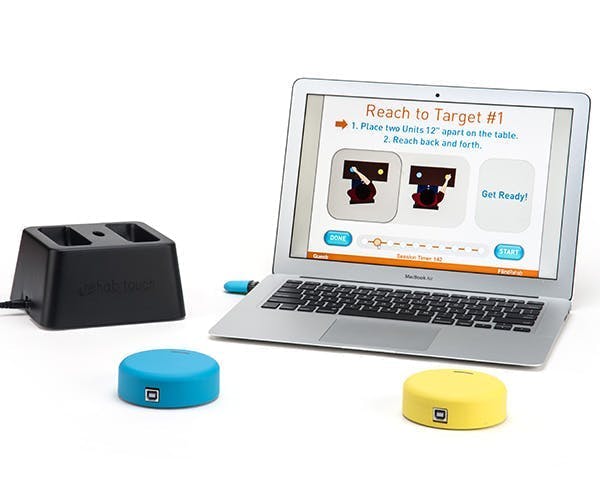
- Interactive therapy devices, such as the MusicGlove
- Rehabilitation devices like Flint Rehab’s FitMi
- Guided exercise programs
By making therapy more engaging and accessible, these tools can help encourage the repetition that the brain needs for neuroplasticity.
For many survivors, home therapy becomes a powerful complement to clinical rehabilitation.
Truth #15: You Are Stronger Than You Realize
Perhaps the most important truth about life after stroke is this:
Survivors often discover strength they never knew they had.
Recovery requires patience, persistence, courage, and resilience. Every therapy session, every exercise, and every small milestone represents determination and progress.
Even on the hardest days, the effort you are putting into recovery matters.
And each step forward, no matter how small it may seem, is a meaningful part of your journey.
Moving Forward After Stroke
Life after stroke rarely unfolds exactly the way anyone expects. There are challenges, adjustments, and moments of uncertainty along the way.
However, there are also moments of growth, resilience, and hope.
Understanding these truths can help you approach recovery with greater patience and compassion for yourself or your loved one. Progress may take time, but every effort you make is helping your brain adapt and heal.
If you are navigating life after stroke right now, remember that you are not alone. Many survivors and caregivers are walking this same path, discovering strength and progress one step at a time.
And with continued support, practice, and perseverance, recovery can keep moving forward.
Here are some additional articles you might find helpful:
- 8 Proven Ways to Overcome Post Stroke Fatigue: If Truth #2 hit home, these tips can help you manage exhaustion without feeling guilty about resting.
- Emotional Changes After Stroke: A Complete Guide to Understanding and Coping: Learn why mood swings and grief happen after stroke, and healthy ways to work through them.
- How to Find the Right Stroke Support Group Near You or Online: Connect with people who truly get what daily life after stroke feels like.
- How to Prevent and Overcome Caregiver Burnout: Practical strategies and resources for the loved ones supporting your recovery.
- Stroke Recovery Timeline: Understanding Milestones on the Road to Recovery: A clearer picture of what progress typically looks like month by month and year by year.