

Coming home after a stroke can feel like stepping into a space that suddenly works against you. Doorways seem narrower. Bathrooms feel more dangerous. Even simple routines like getting out of bed or brushing your teeth can take more effort than before.
That’s where thoughtful home modifications after stroke can make a powerful difference.
Home modifications for stroke survivors are designed to create a safer, more supportive environment that reduces fall risk and makes everyday tasks more manageable. From bathing and toileting to getting dressed, eating, and moving from room to room, small changes can make daily activities easier and safer. Just as importantly, they can give caregivers peace of mind while helping survivors regain as much independence as possible.
With that said, let’s take a look at 15 simple home modifications for stroke patients that can make a big difference!
Table of contents
- 15 Home Modifications for Stroke Patients
- 1. Doorknob Extenders
- 2. Tub Transfer Bench
- 3. Rails/Grab Bars
- 4. Shower Hoses
- 5. Non-slip Bath Mats
- 6. Night Lights
- 7. Remove Most Rugs
- 8. Keep Clear Walkways
- 9. Assess Interior Locks or Privacy Locks
- 10. Raised Toilet Seats or Bedside Commodes
- 11. Soap Dispensers
- 12. Ramps
- 13. Open Shelves
- 14. Closet Racks
- 15. Cord Covers
- Things to Consider Before Adding Home Modifications for Stroke Patients
- Creating Home Modifications That Support Your Stroke Recovery
15 Home Modifications for Stroke Patients
After a stroke, even familiar spaces can start to feel unfamiliar and the right home modifications can ease that transition.
Whether someone is experiencing impaired motor control, balance challenges, or memory changes, simple adjustments around the 15 home below can dramatically improve safety and independence. Let’s take a look at each and see which ones might be right for you!
1. Doorknob Extenders
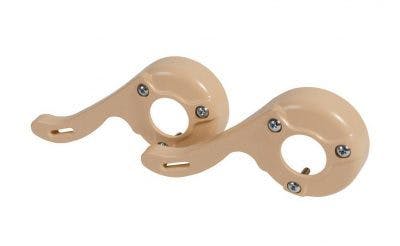
If your doors still have traditional round knobs, consider adding a doorknob extender. These simple devices attach directly over your existing knob and convert it into an easy-to-use lever. Instead of gripping and twisting, you can open the door with a gentle push or pull, which is especially helpful if you’re experiencing hand weakness, spasticity, or limited coordination after a stroke.
2. Tub Transfer Bench
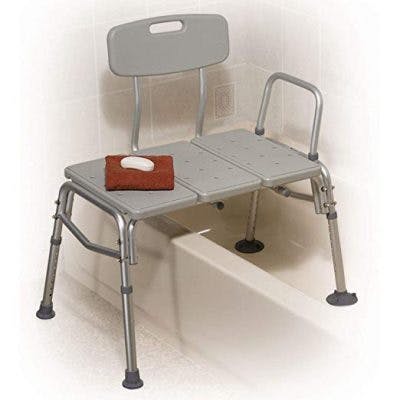
A tub transfer bench can be a great home modification for individuals after stroke who are still regaining balance and or leg strength. Adding a tub transfer bench can make getting in and out of the bathtub much safer and easier. Instead of stepping over a high tub wall in a slippery environment, you can sit down on the bench from outside the tub and then gently swing your legs over the edge.
Once seated, the bench allows you to shower comfortably using a handheld shower head. For added stability, look for a model with a built-in side handle so you have something secure to hold onto while reaching for shampoo or soap.
3. Rails/Grab Bars
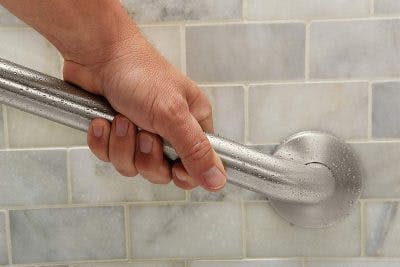
Another great home modification for many stroke survivors while they are regaining their balance are rail or grab bars. Rails and grab bars are designed to provide extra stability as you move throughout your home. They give you something secure to hold onto when standing up, sitting down, or navigating areas where balance may feel unsteady.
Consider installing grab bars near the toilet, inside the shower, beside the bed, next to frequently used chairs, and along stairways. An occupational therapist can help you determine the safest and most effective placement based on your specific mobility needs and home layout.
4. Shower Hoses
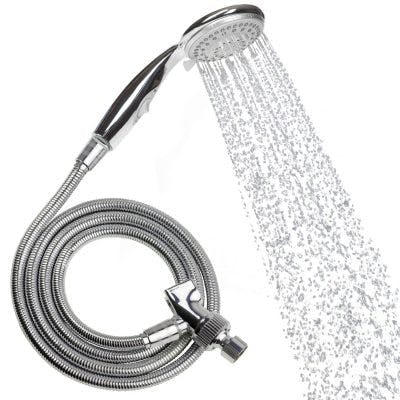
While it may seem like a small modification, a handheld shower hose gives you much more flexibility than a fixed shower head. Instead of having to adjust your body to the water, you can bring the water to you. This is especially helpful if you need to remain seated while bathing or have limited arm, trunk, or leg mobility.
For caregivers, a handheld hose also makes assisting safer and more efficient. It reduces the need for awkward reaching or repositioning and helps ensure a more comfortable, thorough shower with less strain for everyone involved.
5. Non-slip Bath Mats
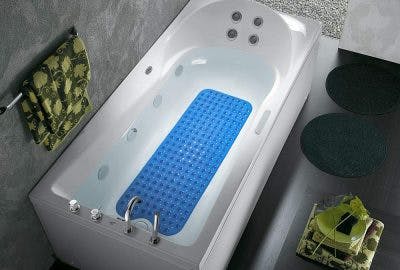
A non-slip bath mat can add an important layer of safety in the shower or tub. These mats use suction cups to stay in place and feature a textured surface that improves grip on wet, slippery floors.
However, over time, soap residue and mildew can weaken the suction, causing the mat to shift or lift at the edges. When that happens, the mat itself can become a tripping hazard.
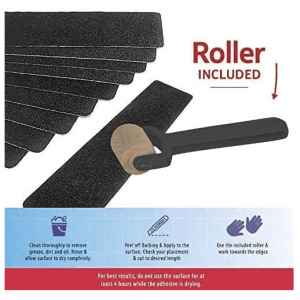
For a more secure, low-maintenance option, consider adhesive anti-slip treads (see below). These attach directly to the surface of the tub or shower floor and provide consistent traction without the risk of slipping out of place. They are easy to install and offer reliable resistance against falls, even when the surface is wet.
6. Night Lights
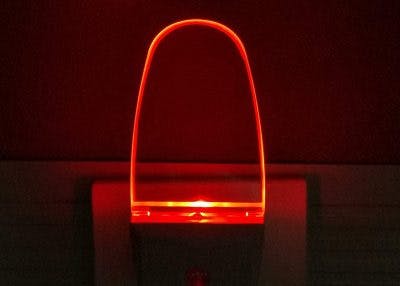
Ever wake up in the middle of the night and try to navigate yourself in the dark to get to the bathroom? Turning on a bright light in the middle of the night makes it harder to fall back asleep, which is why many of us would rather risk bumping into a few things in the dark than turning on a light.
Stroke survivors should not try to walk around in the dark because it increases their chances of falling. Instead, set up red or orange night lights throughout your home to guide you to the bathroom. Red and orange light will not disrupt your internal clock the way white or blue light does.
7. Remove Most Rugs
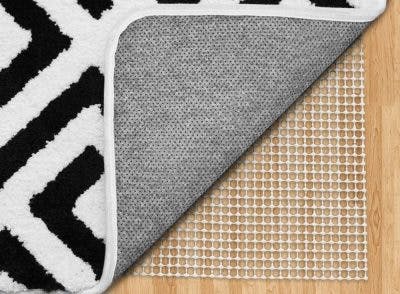
Throw rugs are a common but often overlooked tripping hazard, especially for stroke survivors with reduced step clearance, foot drop, or balance challenges. Even a small edge or slight shift in the rug can catch your foot and increase the risk of a fall.
One of the simplest and most effective home modifications is to remove unnecessary throw rugs altogether. Clearing these obstacles can immediately make walking paths safer and easier to navigate.
If removing a rug is not an option, choose a low-profile rug and secure it properly. Non-slip rubber pads or adhesive grip strips placed underneath can help keep the rug firmly in place and make sure to check regularly that the backing is providing enough traction and has not loosened over time.
However, if you use a walker or have significant difficulty lifting your feet, removing rugs entirely is usually the safest choice.
8. Keep Clear Walkways

Keeping frequently used walkways clear is one of the most effective ways to reduce fall risk at home. Remove items that could get in your way, such as extra furniture, decorative pieces, toys, loose cords, or small tables that narrow the path.
Stroke survivors who use wheelchairs need wide, open spaces to move and turn safely without bumping into obstacles. Those who walk independently or with an assistive device also benefit from clutter-free pathways, since even small objects on the floor can increase the risk of tripping.
Think of your main routes through the home, such as the path from the bedroom to the bathroom or from the living room to the kitchen. Keeping these areas open, well-lit, and easy to navigate can make daily movement feel safer and more manageable.
9. Assess Interior Locks or Privacy Locks
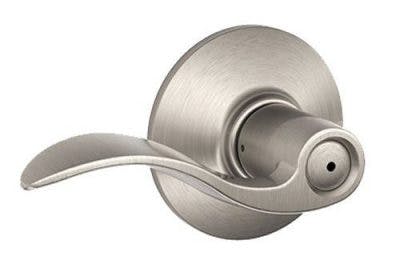
Consider removing interior doorknobs with locks or getting into the habit of keeping doors unlocked while you are inside. If a fall or medical emergency occurs, a locked door can delay help when you need it most.
For added safety, some families choose privacy locks that can be opened from the outside in case of an emergency. The goal is not to sacrifice privacy, but to make sure caregivers or loved ones can reach you quickly if immediate assistance is needed.
10. Raised Toilet Seats or Bedside Commodes
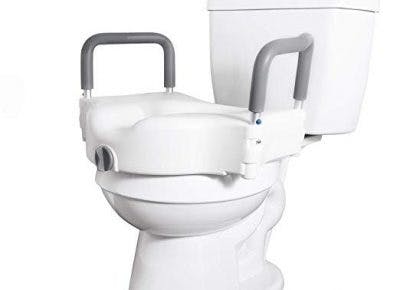
Raised toilet seats will make it easier to get on and off the toilet for stroke survivors who have weakness in their legs. You can even find some that come with armrests to assist you with standing or sitting.
Bedside commodes allow you to use the toilet without having to travel far into the bathroom, but they can also be placed over the toilet once you are more mobile. Your Occupational Therapist should advise you on which type of toileting device (if any) is appropriate for you.
11. Soap Dispensers
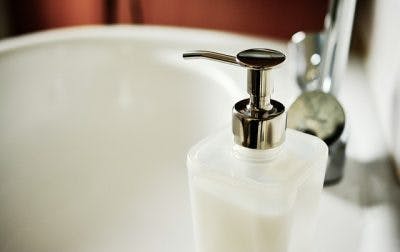
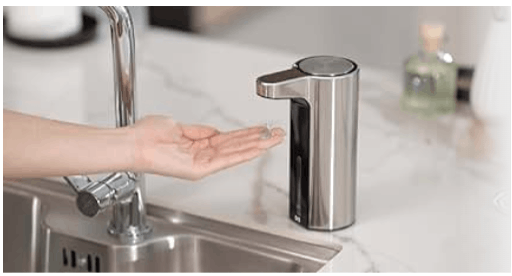
While it is a relatively small modification, consider using pump dispensers or, even better, touchless automatic soap dispensers. With a pump, you only need light pressure to dispense soap and with an electric dispenser, you simply place your hand under the sensor and the soap is released automatically.
These small adjustments can make handwashing easier if you are experiencing hand weakness, limited coordination, or one-sided paralysis. Just as importantly, they help conserve energy and reduce frustration, allowing you to focus your effort on the more meaningful parts of your day.
12. Ramps
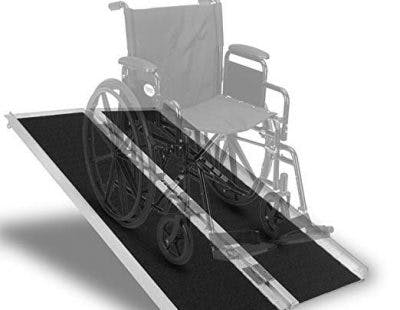
If you use a wheelchair, a portable ramp can make it much easier to navigate steps at your home entrance or other small elevation changes. Many models are available for rent or purchase, and they are designed to be lightweight, foldable, and easy to set up when needed.
Look for a ramp with a high-traction, anti-skid surface to provide stability, especially on steeper inclines or in wet weather. It is also important to choose the correct length and weight capacity to ensure a safe slope. Your physical therapist can help you determine the appropriate size and type of ramp based on your mobility level and home setup.
13. Open Shelves
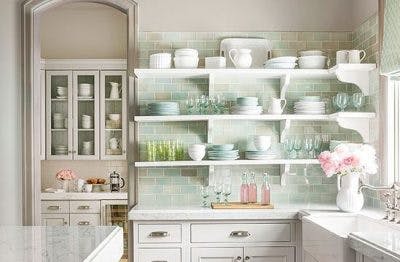
Open shelving can be both stylish and practical after a stroke. Keeping frequently used items in plain sight makes them easier to find, which is especially helpful for survivors experiencing memory or cognitive changes.
It can also improve safety. When items are visible and within easy reach, you are less likely to overreach, bend awkwardly, or search through crowded cabinets. Reducing unnecessary movement and repeated reaching can help conserve energy and lower the risk of losing your balance.
14. Closet Racks

Along the same lines, keeping most of your clothes hanging in the closet can make getting dressed much easier. A closet rack or lower hanging rail allows you to see your options at a glance, rather than digging through drawers.
Searching through stacked clothing can be frustrating and physically demanding, especially if you have limited hand function, one-sided weakness, or balance challenges. Hanging clothes reduces the need for bending, pulling, and sorting, helping you conserve energy and start your day with less stress.
15. Cord Covers
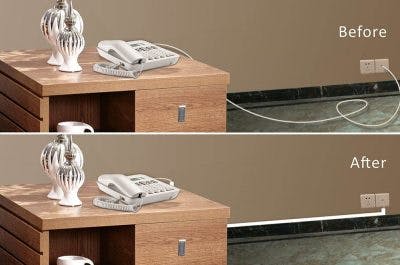
Loose cables and extension cords are easy to overlook, but they can quickly become serious tripping hazards. Even a small cord stretched across a walkway can catch your foot, walker, or wheelchair and lead to a fall.
One of the simplest and most effective fixes is to secure cords out of the way. Tape them flat against the wall, route them behind furniture, or use cord covers that mount neatly along baseboards. Keeping floors clear and pathways smooth can make moving around your home much safer and more predictable.
Things to Consider Before Adding Home Modifications for Stroke Patients
Whether you are recovering from an ischemic or hemorrhagic stroke, home life will be different – at least in the short term. Before adding home modifications for stroke patients, ask yourself:
- Is there enough space? Can your wheelchair or walker fit?
- Will this modification confuse you?
- Can you reach what you need without straining?
- Is an activity too tiring? If yes, it must be modified.
- Will this modification allow you to have better balance?
It’s also a good idea to have your occupational therapist visit your home to point out what may need to be changed and the best ways to do it. If a home visit (home safety evaluation) is not possible, you can also provide them with photos of your home to allow them to guide you.
Hopefully, these home modifications for stroke patients gave you some good ideas for making life after stroke more convenient and safer.
Creating Home Modifications That Support Your Stroke Recovery
Recovering at home after a stroke is not about making your space perfect, but rather about about making it supportive. When your environment is set up to match your current abilities, everyday tasks become more manageable, confidence starts to rebuild, and the risk of preventable falls decreases.
You do not have to make every change at once. Start with the areas that feel the most challenging, whether that is the bathroom, bedroom, or entryway and remember that even small, thoughtful adjustments can create meaningful improvements in safety and independence.
Over time, as your strength, balance, and coordination improve, your needs may change so continue working with your therapy team to adapt your home as your recovery progresses. With the right setup and support, your home can become a place that encourages healing, restores independence, and helps you move forward with greater peace of mind.
We hope you enjoyed this article and subscribe to our newsletter for weekly articles just like this delivered straight to your inbox — subscribe here.