










Aricept for Brain Injury: Understanding the Benefits and Side Effects
Can Aricept help brain injury patients improve their memory skills? Some promising research indicates Aricept may be a helpful medication for brain injury survivors. However, ...

Can Diet Soda Cause Stroke? Here’s What the Science Really Says About the Relationship Between Diet Soda and Stroke
Grabbing a diet soda might feel like a healthier choice—zero calories, zero sugar, and all the fizz. But can that seemingly harmless can of diet ...

Cognitive Recovery After Stroke: How to Restore Cognitive Functions
Over half of all stroke survivors experience cognitive changes within a year of their stroke, making cognitive recovery after stroke an essential component of the ...

Brain Injury and Dementia: Is There a Link?
Is there a link between brain injury and dementia? This is a common question among traumatic brain injury (TBI) survivors and their family members. While ...

Alien Hand Syndrome After Brain Injury: What Is it Plus Causes, Symptoms and Treatment Options
Alien Hand Syndrome (AHS) is a rare and often misunderstood condition that can occur after certain types of brain injury. People who experience it may ...
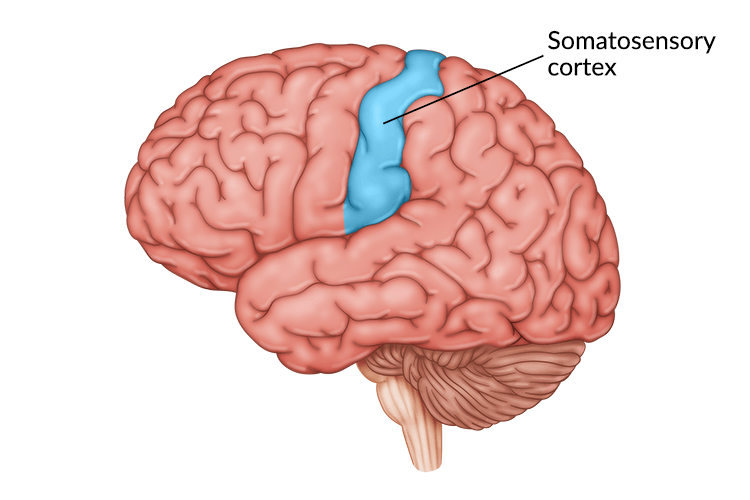
Somatosensory Cortex Damage: Symptoms, Treatment, and Recovery
The somatosensory cortex is the area of the brain responsible for processing sensory input from the body. It lies next to the primary motor cortex, which ...

What Are the 8 Main Types of Traumatic Brain Injury?
The type of traumatic injury that an individual experiences will determine what their TBI rehabilitation plan might entail. Traumatic brain injuries can vary greatly in ...

Cerebral Palsy Gait Training: Can Your Walking Improve?
Can people with cerebral palsy use gait training to improve their walking abilities? Almost any skill can be improved if you practice it enough, and ...

Non-Verbal Cerebral Palsy and Alternative Forms of Communication
Cerebral palsy can affect various muscles of the body, including the ones that control the mouth, tongue, and vocalizations. This can make it difficult for ...

Craniosacral Therapy for Traumatic Brain Injury: Claims and Clinical Evidence
Supporters of craniosacral therapy (CST) claim that it has the potential to relieve many secondary effects of traumatic brain injury. But does it work? CST ...

What Matters More for Recovery: Repetition or Consistency?
Today we’re answering a common question that we get from our readers and neurorehabilitation device users: “What matters more: repetition or consistency?” To put it ...

Tics After Head Trauma: Causes, Diagnosis, and Treatment
Tics after head trauma can cause a person to make sudden, repetitive movements or vocalizations. These movements are involuntary, although they do not always appear ...

Cerebral Palsy and Muscular Dystrophy: How Are These Conditions Different?
Both cerebral palsy and muscular dystrophy can involve abnormal muscle tone along with poor balance and posture. However, the two conditions are distinctly separate. To ...
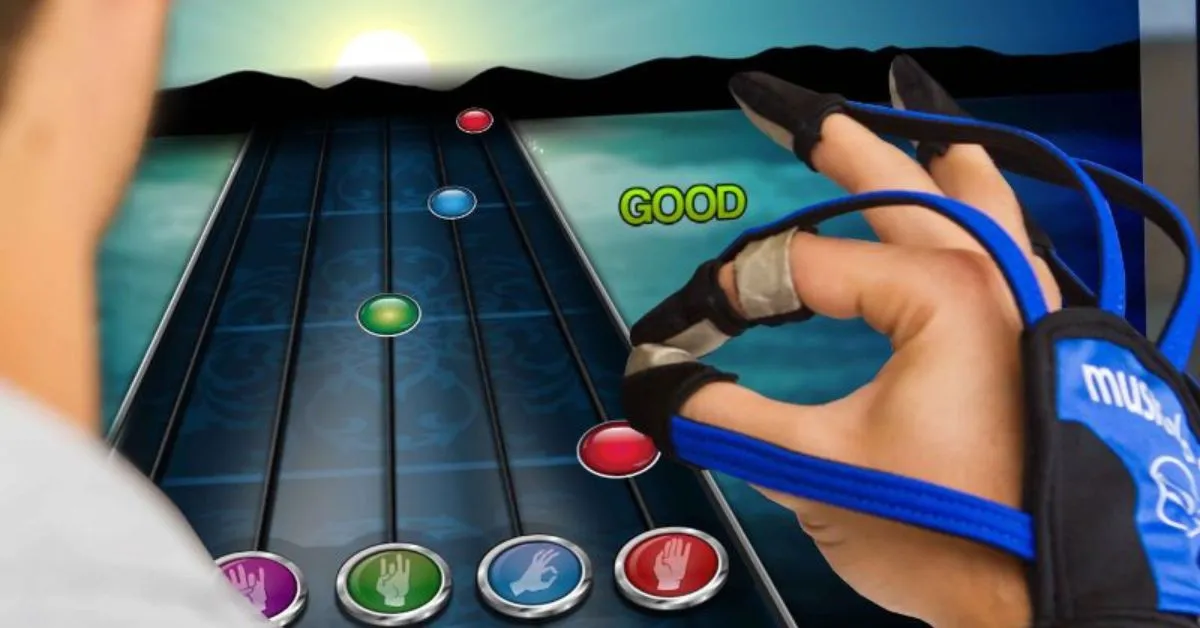
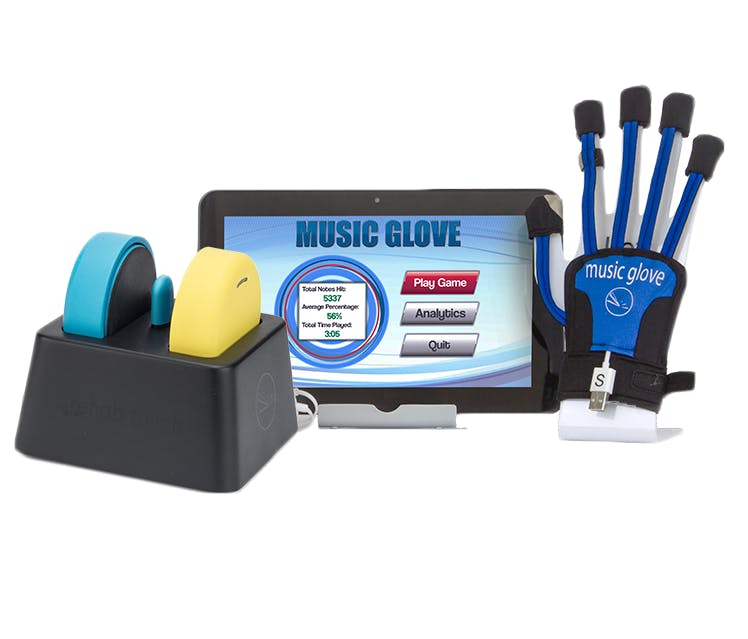
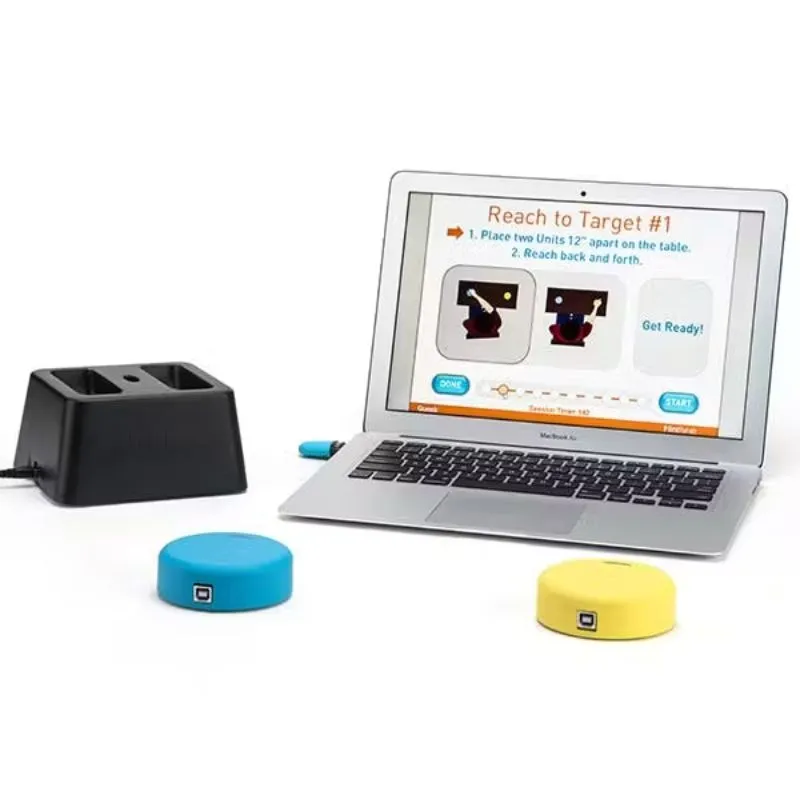
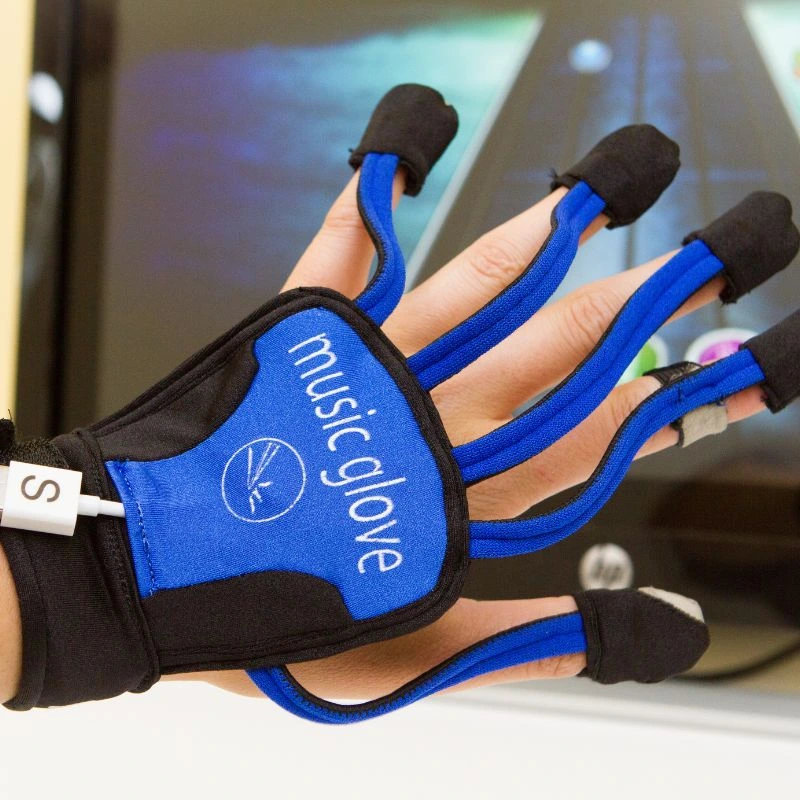
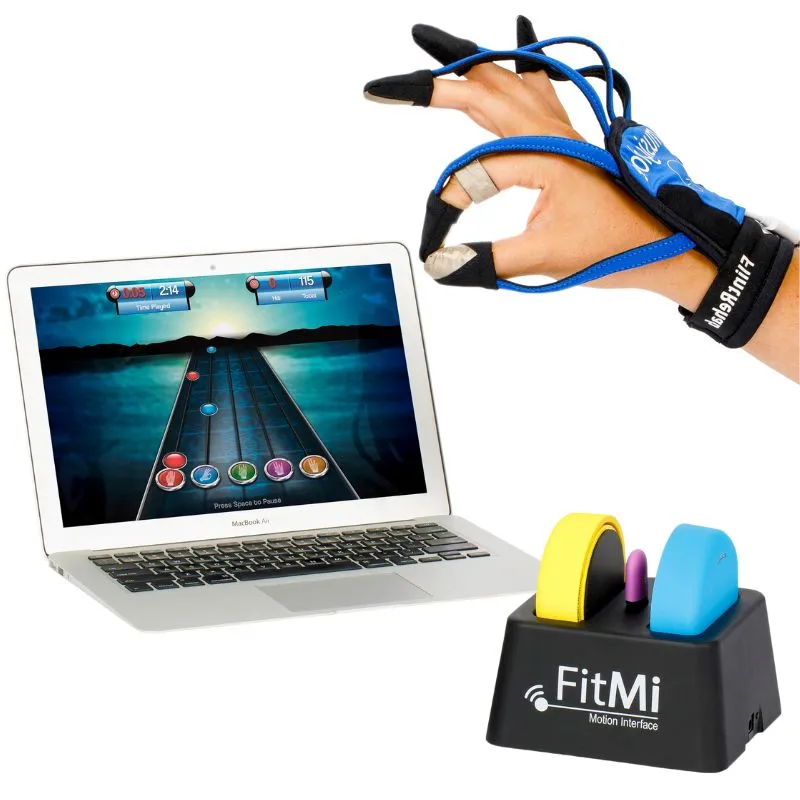
7 Tips for Getting the Most Out of The FitMi and MusicGlove During Recovery
Recovering movement after a stroke, brain injury, spinal cord injury, or neurological condition relies on one ingredient: consistent practice. The more you engage your muscles ...
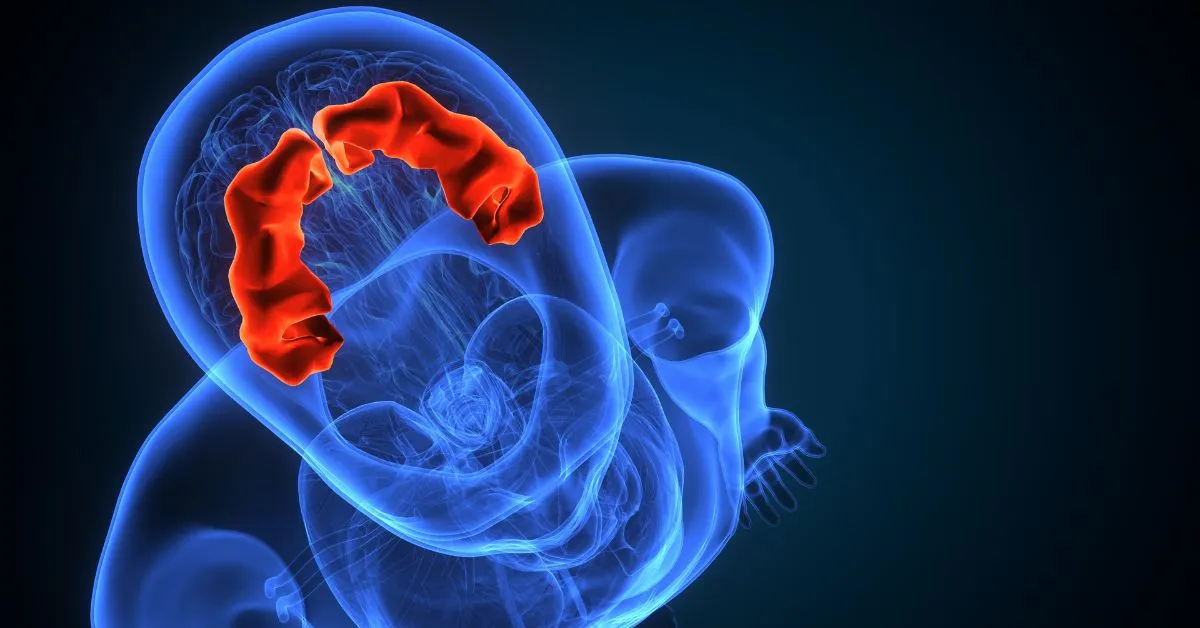
Ideomotor Apraxia: Symptoms, Examples, and 7 Tips for Managing Trouble With Movement
Ideomotor apraxia can be frustrating. This neurological condition occurs not because of muscle weakness but because of a disconnect between intention and movement. When someone ...

Can Semaglutide (Ozempic, Wegovy) or Tirzepatide (Mounjaro, Zepbound) Lower Stroke Risk?
For stroke survivors, the road to recovery can feel uncertain, especially when living with other health challenges like type 2 diabetes and obesity. But new ...

Neuropathy After Stroke: Understanding & Treating Nerve Pain
Stroke is a serious, life-changing injury that can result in a wide variety of secondary effects. Among these secondary effects is nerve pain, or neuropathy. ...

Vomiting After Head Injury: What It Means and How to Treat It
Is vomiting after head injury a dangerous sign? While dizziness and nausea are typical effects of head injury, vomiting can be a sign of a ...