
Central post-stroke pain can feel confusing, frustrating, and deeply exhausting. One day you’re focused on regaining movement or speech after a stroke, and the next you’re dealing with burning, stabbing, or aching pain that doesn’t seem to have a clear cause. If this sounds familiar, you’re not alone and more importantly, you’re not out of options.
While central post-stroke pain can be challenging, there are practical, evidence-based ways to manage it and regain a sense of control.
This article will walk you through 7 supportive strategies to manage central post-stroke pain, explained in clear, human language. Think of this as a guide you can return to, take notes from, and share with your care team as you continue your recovery journey.
Let’s jump in!
What Is Central Post-Stroke Pain?
Before diving into management strategies, it helps to understand what central post-stroke pain actually is. Central post-stroke pain is a type of neuropathic pain, meaning it comes from changes in the brain rather than damage to muscles or joints.
After a stroke, certain areas of the brain that process sensation may be injured. As a result, the brain can misinterpret normal signals or even generate pain signals on its own.
This pain often affects one side of the body, often opposite of where the stroke occurred. It may feel like:
- Burning or scalding sensations
- Sharp, stabbing pain
- Electric or shooting feelings
- Tingling, pins-and-needles, or numbness
- Pain from light touch, temperature, or clothing
Because the pain originates in the brain, it doesn’t always respond to typical pain relievers. That’s why a more thoughtful, multi-layered approach tends to work best.
Now, let’s look at 7 strategies you can use to manage central post-stroke pain for yourself or a loved one!
1. Work Closely With a Knowledgeable Medical Provider
Managing central post-stroke pain usually starts with the right medical support. This could be your neurologist, primary care physician, or even your physical or occupational therapist.
Why Medical Guidance Matters
Central post stroke pain can look different from person to person. A neurologist, physiatrist, or pain specialist can help confirm the diagnosis and rule out other causes, such as muscle spasticity or joint problems. This matters because it shapes the treatment plan.
In addition, certain medications are specifically used for neuropathic pain rather than general pain. These may include medications that calm overactive nerve signals.
Tips for Productive Appointments
To get the most out of your visits:
- Keep a simple pain journal noting when pain occurs, what it feels like, and any apparent triggers
- Describe sensations clearly (burning, stabbing, dull, etc.)
- Share what makes the pain better or worse
- Be honest about side effects or concerns
Open communication helps your provider fine-tune your care and adjust treatments safely over time.
2. Use Movement and Exercise to Calm the Nervous System
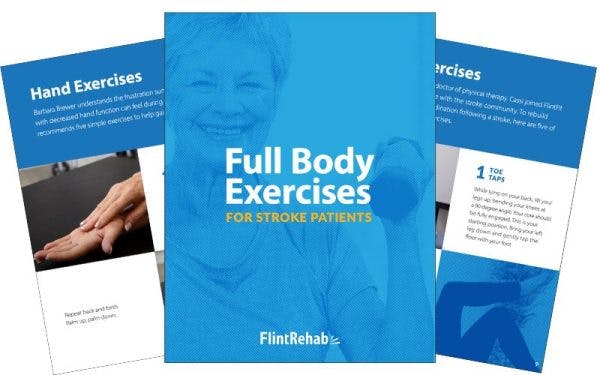
When pain flares up, movement may feel like the last thing you want to do. However, gentle, consistent exercise can be one of the most powerful tools for managing central post-stroke pain.
How Movement Helps
Exercise supports neuroplasticity, the brain’s ability to rewire and heal. Over time, repetitive, purposeful movement can help normalize how the brain processes sensory signals. In addition, movement improves circulation, reduces stiffness, and releases natural pain-relieving chemicals in the body.
Choosing the Right Type of Exercise
The key is safe, appropriate movement, not pushing through pain. Helpful options often include:
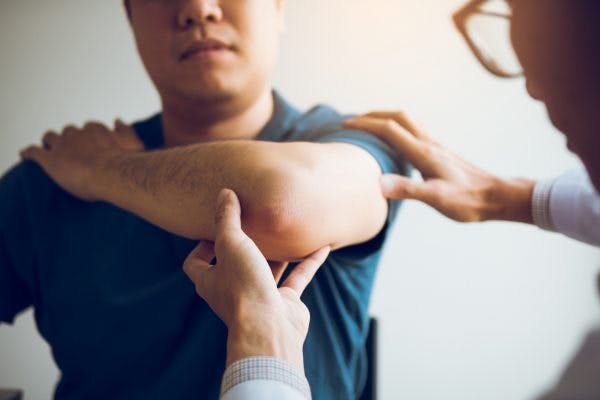
- Guided physical or occupational therapy
- Low-impact range-of-motion exercises or stretches
- Task-specific hand or arm practice
- Gentle strength training within your abilities
Consistency matters more than intensity. Even short daily sessions can add up and make a meaningful difference.
3. Desensitization Techniques for Hypersensitive Areas
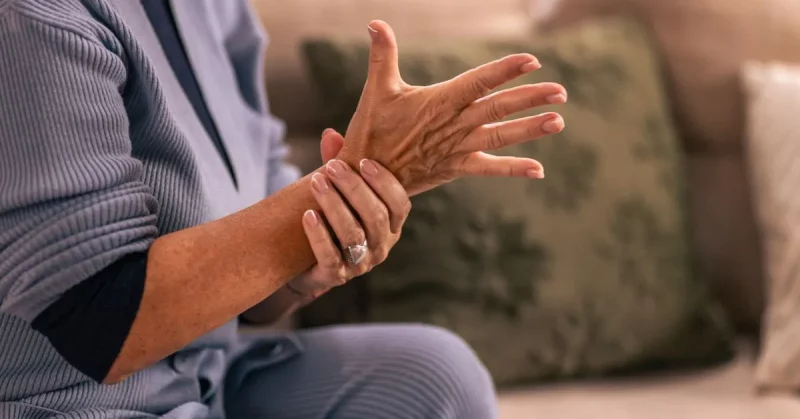
Many people with central post-stroke pain experience pain from light touch, pressure, or temperature. Desensitization can help reduce this over-reactivity.
What Is Desensitization?
Desensitization involves gradually exposing sensitive areas to different sensations in a controlled, non-threatening way. Over time, this can help retrain the brain to interpret touch more accurately.
Simple Ways to Practice Desensitization
Under guidance from a therapist, you may try:
- Gently rubbing the skin with unscented lotion or soft fabrics
- Progressing to rougher textures as tolerated
- Using warm or cool (not extreme) temperatures
- Light tapping or brushing
Start slowly and stop before pain spikes. Rubbing the textures over an unaffected area before moving to the affected area can also be helpful, as this gives the brain an idea of what the stimulus would typically feel like. The goal is to send calm and predictable input to the nervous system, not to overwhelm it.
4. Address Spasticity and Muscle Imbalances
Although central post-stroke pain originates in the brain, muscle tightness and abnormal movement patterns can still make pain worse.
The Connection Between Spasticity and Pain
Spasticity, or involuntary muscle stiffness, can increase pressure on joints and nerves. This added strain may amplify existing pain signals and limit your ability to move comfortably.
Supportive Strategies
Managing spasticity may include:
- Regular stretching and positioning
- Proper seating and posture support
- Splints or braces when appropriate
- Targeted therapy to improve muscle balance
When muscles move more freely, the body often feels less “on edge,” which can reduce overall pain levels.
5. Use Relaxation and Mind-Body Techniques
Pain doesn’t just affect the body. It affects emotions, sleep, and stress levels too. Because the brain plays a central role in central post-stroke pain, calming the nervous system is especially important. Using relaxation techniques, which can be practiced independently or as part of cognitive behavioral therapy, can promote an overall sense of calm and help alleviate pain.
Why Relaxation Helps
Stress, anxiety, and poor sleep can heighten pain sensitivity. Relaxation techniques help shift the nervous system out of “fight or flight” mode and into a calmer state, which can lower pain intensity over time.
Techniques to Explore
You don’t need to master everything at once. Start with one or two options, such as:
- Slow, deep breathing
- Guided imagery or meditation
- Progressive muscle relaxation
- Gentle yoga or stretching
Even a few minutes a day can help your body learn that it is safe to relax which can make a big difference!
6. Build a Consistent Home Therapy Routine
One of the most overlooked aspects of pain management is consistency to a home therapy routine. This is because the brain changes through repetition, not occasional effort.
Why Home Therapy Matters
In-clinic therapy is valuable, but it often isn’t enough on its own. Regular home practice reinforces what you’re working on and keeps progress moving forward between appointments.
Making Home Therapy Sustainable
A good home program should be:
- Simple and easy to follow
- Adaptable to energy levels
- Focused on quality, not perfection
- Designed to fit into daily life
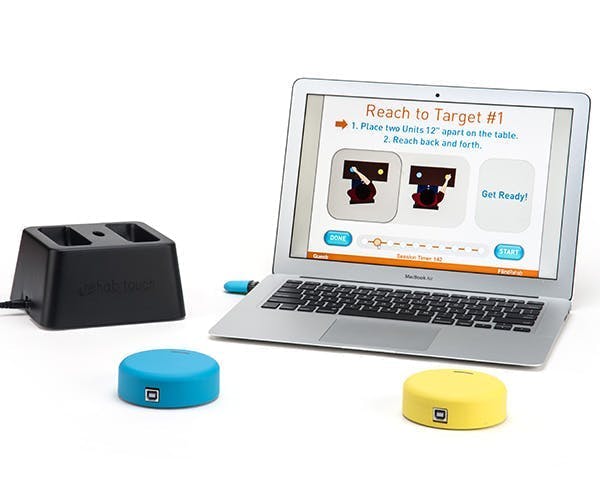
Using structured home rehab tools or guided programs can help reduce guesswork and make it easier to stay motivated, especially on tough days. If you don’t already have a home program, ask your therapist what exercises or activities would be best for you.
7. Take Care of Your Emotional Health and Support System
Living with chronic pain can take an emotional toll. Feelings of frustration, sadness, or isolation are common and completely understandable. However, managing these feelings can make a big difference in improving.
Pain and Emotions Are Connected
The brain processes pain and emotions in overlapping areas. When emotional health suffers, pain often feels stronger and harder to manage. Supporting your mental well-being is not “extra”, it’s part of pain care.
Ways to Strengthen Emotional Support
Helpful steps may include:
- Talking openly with loved ones about how you feel
- Joining a stroke support group, in person or online
- Working with a counselor familiar with chronic illness
- Practicing self-compassion during setbacks
Taking care of the mental or invisible stroke symptoms is just as important as dealing with the physical side of things.
A Gentle Reminder About Progress
Central post-stroke pain rarely disappears overnight. Improvement often comes gradually, in small but meaningful steps. Some days will feel easier than others, and that’s okay.
What matters most is that you keep showing up for yourself by seeking support, trying new strategies, and giving your brain the time and repetition it needs to adapt.
You are not broken. Your nervous system is healing and you’re allowed to take that process one step at a time.
We hope you enjoyed this article and subscribe to our newsletter for weekly articles just like this delivered straight to your inbox — subscribe here.