
Recovering after a stroke can feel like stepping into unfamiliar territory. Movements that once felt automatic may suddenly require intense concentration. Tasks like buttoning a shirt, picking up a cup, or forming words might take far more effort than before.
However, there is encouraging news. The brain has an incredible ability to adapt and rewire itself after injury through a process called neuroplasticity. Neuroplasticity allows healthy areas of the brain to take over functions that were once controlled by damaged areas.
Traditional therapies such as physical therapy, occupational therapy, and speech therapy remain the foundation of stroke recovery. Yet many survivors and caregivers are surprised to learn that other activities and approaches can also stimulate neuroplasticity.
These non-traditional therapies often support the brain in different ways. Some encourage movement and coordination. Others stimulate the senses, emotions, or cognitive processes. Together, they can help create the conditions the brain needs to rebuild neural connections.
In this article, we will explore seven non-traditional therapies that may help support neuroplasticity after stroke. Many survivors find that combining these approaches with conventional rehabilitation creates a more engaging and well-rounded recovery journey.
Let’s dive in!
Table of contents
- Understanding Neuroplasticity After Stroke
- 1. Music Therapy
- 2. Art Therapy
- 3. Virtual Reality Therapy
- 4. Meditation and Mindfulness
- 5. Animal-Assisted Therapy
- 6. Acupuncture
- 7. Cognitive Training Games
- Combining Non-Traditional Therapies With Conventional Rehab
- The Takeaway: Creativity Can Strengthen the Brain’s Recovery
Understanding Neuroplasticity After Stroke
Before diving into the therapies themselves, it helps to understand how neuroplasticity works.
When a stroke damages part of the brain, the neural pathways responsible for certain functions may be disrupted. As a result, movement, speech, memory, or other abilities can become impaired.
Fortunately, the brain is not static. Instead, it is constantly adapting. When you practice a skill repeatedly, the brain begins to strengthen the neural pathways involved in that activity. Over time, new connections form and become more efficient.
This is why consistent practice is one of the most important parts of stroke recovery.
However, repetition does not always have to come from traditional exercises alone. Activities that challenge the brain creatively, emotionally, or through sensory experiences can also stimulate neural pathways.
That is where non-traditional therapies can play an important role.
1. Music Therapy
Music has a powerful effect on the brain. In fact, listening to or playing music activates multiple brain regions at once, including areas involved in movement, memory, and emotion.
Because of this, music therapy can be especially helpful for stroke survivors.
How Music Stimulates Neuroplasticity
Rhythm and melody provide structured sensory input that the brain can use to guide movement and speech. For example, rhythmic cues can help regulate timing and coordination.
Music also engages both sides of the brain simultaneously. This widespread activation can help strengthen neural connections and encourage new pathways to form.
Ways to Incorporate Music Into Recovery
In addition to working directly with a music therapist, there are several ways stroke survivors may use music therapeutically:
- Learning to play simple musical instruments
- Singing or dancing to favorite songs
- Practicing rhythm-based hand exercises
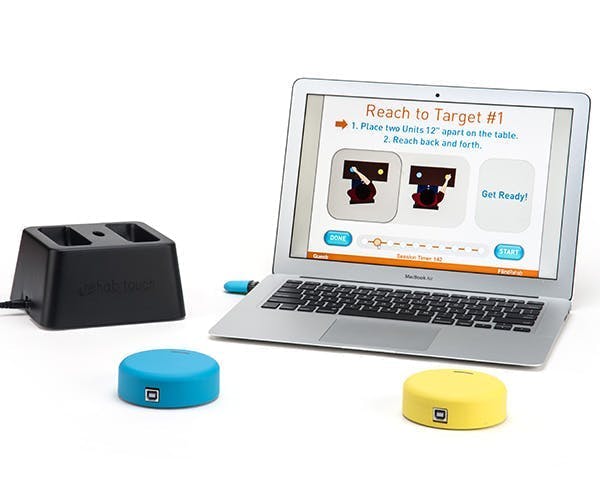
- Home-based music rehab tools like the MusicGlove
For individuals with hand impairment, rhythm-based exercises combined with music can make repetitive movements feel more engaging and motivating.
In many cases, survivors report that music makes therapy feel less like work and more like an enjoyable activity, which helps encourage consistent practice.
Learn more about the MusicGlove Home Rehab for Stroke
2. Art Therapy
Creative expression can also support the brain’s ability to reorganize itself after stroke.
Art therapy encourages individuals to use drawing, painting, sculpting, or other artistic activities to express themselves while also practicing motor skills.
Why Art Engages the Brain
Art requires a combination of visual processing, planning, and movement. As a result, it stimulates multiple areas of the brain simultaneously.
Even simple activities like coloring or sketching can help strengthen coordination between the eyes and hands.
Emotional Benefits of Art Therapy
In addition to physical practice, art can also help survivors process emotions after stroke. Recovery often comes with stress, frustration, fear, or grief. Creative expression provides a healthy outlet for these feelings.
Because of this, art therapy can support both emotional healing and neurological recovery at the same time.
Many survivors also find that art helps rebuild confidence as they begin creating something meaningful again.
3. Virtual Reality Therapy
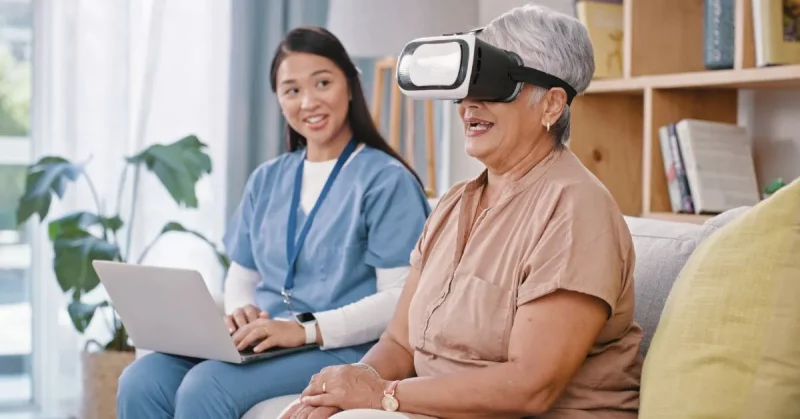
Technology is opening new doors in stroke rehabilitation and one exciting area in particular is virtual reality (VR) therapy.
Virtual reality creates interactive environments where individuals can practice movements and tasks in a simulated setting.
How VR Encourages Neuroplasticity
VR programs often involve repetitive movements, problem solving, and immediate visual feedback. These elements help reinforce neural pathways involved in movement and coordination.
In addition, the immersive nature of virtual reality can make therapy more engaging. When individuals feel motivated and focused, they are more likely to practice longer and more consistently.
Benefits for Stroke Survivors
Virtual reality therapy can offer several advantages:
- Real-time visual feedback on movement
- Safe environments to practice challenging tasks
- Game-like experiences that increase motivation
- Opportunities to train both physical and cognitive skills
While VR therapy is still evolving, early research suggests it may be a helpful complement to traditional rehabilitation.
4. Meditation and Mindfulness
At first glance, meditation may not seem connected to stroke recovery. However, growing research suggests that mindfulness practices can influence brain structure and function.
How Mindfulness Affects the Brain
Regular meditation has been shown to promote changes in brain regions involved in attention, emotional regulation, and cognitive control.
For stroke survivors, this can be especially helpful because recovery often requires intense focus and patience.
Additional Benefits
Mindfulness practices may also help:
- Reduce stress and anxiety
- Improve emotional resilience
- Enhance concentration during therapy
- Support overall mental well-being
Even a few minutes of guided breathing or meditation each day can help create a calmer mental state, which may make rehabilitation exercises feel more manageable.
Over time, these small habits can support the brain’s ability to adapt and recover.
5. Animal-Assisted Therapy
Spending time with animals can provide surprising therapeutic benefits.
Animal-assisted therapy involves structured interactions with trained therapy animals such as dogs, horses, or other animals.
How Animals Support Recovery
Animals can help motivate individuals to move, communicate, and engage with their environment.
For example, petting a dog or brushing a horse requires coordinated hand movements. At the same time, interacting with animals often triggers emotional responses that activate reward pathways in the brain.
Emotional and Psychological Benefits
Stroke recovery can sometimes feel isolating. Therapy animals provide companionship and comfort, which can help reduce feelings of loneliness or depression.
Many survivors find that working with animals increases motivation to participate in therapy activities.
This emotional engagement can indirectly support neuroplasticity by encouraging more consistent practice.
6. Acupuncture
Acupuncture is a traditional Chinese medical practice that involves inserting thin needles into specific points on the body. Although it may seem unconventional, some stroke survivors may find acupuncture as a great complement to traditional stroke therapy.
Possible Effects on the Nervous System
Researchers believe acupuncture may influence the nervous system by stimulating sensory nerves and altering brain activity patterns. Some studies suggest it may help improve circulation, reduce pain, and support motor recovery.
Important Considerations
While acupuncture may offer benefits for some individuals, it should always be used alongside medical guidance and conventional therapy.
Anyone interested in acupuncture should work with a licensed practitioner and consult their healthcare provider before beginning treatment.
7. Cognitive Training Games
Recovery after stroke is not only physical. Many survivors also experience changes in memory, attention, or problem-solving abilities.
Cognitive training games can provide structured mental exercises that challenge the brain. In addition, the gamelike structure can help it feel less like therapy which encourages patients to stick with it!
How Brain Games Encourage Neuroplasticity
Activities that require concentration and problem solving stimulate neural networks involved in thinking and memory.
Repeated practice helps strengthen these networks, similar to how physical exercise strengthens muscles.
Examples of Helpful Activities
Cognitive stimulation may include:
- Puzzle games
- Memory matching exercises
- Strategy games
- Language and word games
Many of these activities are available through apps or simple tabletop games. When combined with physical rehabilitation, cognitive exercises can help support whole-brain recovery.
Try these 10 Cognitive Exercises for Stroke Patients to Help Improve Mental Clarity
Combining Non-Traditional Therapies With Conventional Rehab
It is important to remember that non-traditional therapies are not meant to replace standard stroke rehabilitation. Physical therapy, occupational therapy, and speech therapy remain at the core of recovery because they target specific functional skills.
However, non-traditional approaches can add valuable variety, engagement, and motivation to the rehabilitation process.
For example:
- Music or dance can make repetitive movements more enjoyable
- Art therapy can improve hand coordination while supporting emotional expression
- Mindfulness practices can help maintain motivation during long recovery periods
When survivors enjoy the activities they are doing, they are more likely to stay consistent with practice. Consistency, in turn, is one of the most powerful drivers of neuroplasticity.
The Takeaway: Creativity Can Strengthen the Brain’s Recovery
While traditional therapy remains essential, non-traditional therapies can provide additional ways to stimulate the brain. Music, art, mindfulness, movement, and other creative activities can all contribute to a richer rehabilitation experience.
Remember that recovery is different for everyone and the best therapies are often the ones that feel meaningful, motivating, and enjoyable for the individual practicing them. With patience, repetition, and the right support, the brain can continue learning and adapting long after a stroke.
We hope you enjoyed this article and subscribe to our newsletter for weekly articles just like this delivered straight to your inbox — subscribe here.