
Recovering from a stroke often comes with a mix of progress, setbacks, and a lot of questions.
Some days are focused on small wins like moving a little easier, remembering a bit more, or getting through your daily routine with less effort. And other days you may find yourself wondering what more you can do to keep moving forward.
While this is a normal part of any recovery journey, one question we consistently hear survivors ask is, “Is there anything more I can do to help my recovery?”
In this guide, we’ll walk through how B vitamins can support your stroke recovery journey. We’ll look at the key role they play in supporting both the brain and nervous system plus how to approach them safely and effectively.
Let’s jump in!
Quick note: DO NOT start any new vitamin, supplement, diet, or recovery program without first consulting your doctor or healthcare provider. Recovery after stroke is highly individual, and certain supplements or lifestyle changes may not be appropriate depending on your medical history, medications, or specific health needs.
Table of contents
- What Are B Vitamins?
- Why B Vitamins Matter After a Stroke
- The Link Between B Vitamins and Stroke Prevention
- Key B Vitamins for Stroke Recovery and Prevention
- Signs You Might Be Low in B Vitamins
- Best Food Sources of B Vitamins
- Should You Take B Vitamin Supplements?
- Final Thoughts: Supporting Your Recovery, One Step at a Time
What Are B Vitamins?
B vitamins are a group of essential nutrients that help your body function properly. Instead of one single vitamin, there are actually eight different B vitamins, each with a unique role:
- Vitamin B1 (Thiamine) – Supports nerve function and energy production
- Vitamin B2 (Riboflavin) – Helps convert food into energy
- Vitamin B3 (Niacin) – Supports circulation and brain function
- Vitamin B5 (Pantothenic Acid) – Helps produce hormones and energy
- Vitamin B6 (Pyridoxine) – Important for brain development and neurotransmitters
- Vitamin B7 (Biotin) – Supports metabolism and cell health
- Vitamin B9 (Folate) – Critical for cell growth and DNA repair
- Vitamin B12 (Cobalamin) – Essential for nerve health and red blood cells
Together, these vitamins play a key role in keeping your brain and nervous system working as they should.
Why B Vitamins Matter After a Stroke
After a stroke, your brain begins the work of healing and rewiring. This process, known as neuroplasticity, is how the brain adapts and forms new connections over time. While recovery looks different for everyone, it depends on consistent effort and the right support along the way.
This is where certain nutrients, like B vitamins, may play a helpful role. Let’s take a look at some of the key ways B vitamins can support your stroke recovery.
Supporting Brain Health and Repair
After a stroke, your brain is consistently undergoing adaptive changes through neuroplasticity. It begins forming new pathways to work around damaged areas, depending on healthy brain cells and strong neural communication to overcome disrupted connections.
B vitamins, especially B6, B9 (folate), and B12, play a role in maintaining the health of brain cells and supporting how they communicate. They are involved in processes like cell repair, neurotransmitter production, and overall brain function.
While they are not a replacement for rehabilitation, they may help support the environment your brain needs to adapt and recover over time.
Helping with Energy and Fatigue
Fatigue after a stroke can feel different from normal tiredness. It’s not just about needing more sleep. Many people describe it as a deeper, more persistent lack of energy that can make even simple activities feel overwhelming.
This is where B vitamins may offer some support. All of the B vitamins, except for folate, are involved in the process of converting the food you eat into energy at a cellular level. When your body is better able to produce and use energy, it can make it easier to stay engaged in daily activities, including therapy exercises that are key to recovery.
While B vitamins won’t eliminate fatigue on their own, they may help support more consistent energy levels, which can make a meaningful difference over time.
Supporting the Nervous System
Stroke recovery depends on more than just the brain. It also involves the entire nervous system working together to send and receive signals. Every movement, from lifting your arm to taking a step, relies on clear communication between your brain and your muscles.
B vitamins like B12, B1, and B6 play an important role in maintaining nerve health. One of their key functions is supporting myelin, the protective layer that surrounds nerves. This layer helps signals travel more quickly and efficiently.
When nerve signaling is supported, it can make it easier for your body to relearn movements and improve coordination. Over time, this can contribute to smoother, more controlled motion as you continue practicing and building strength.
The Link Between B Vitamins and Stroke Prevention
While much of the focus after a stroke is on recovery, many people are also thinking about the future, especially how to reduce the risk of another stroke. This is where B vitamins often come into the conversation, not as a standalone solution, but as one piece of a larger prevention plan.
Their role is closely tied to how they support vascular health, which is essential for keeping blood flowing properly to the brain.
Understanding Homocysteine
One of the key reasons B vitamins are linked to stroke prevention has to do with a substance in the blood called homocysteine.
Homocysteine is a naturally occurring amino acid, but when levels become too high, it can start to cause problems. Elevated levels have been associated with damage to blood vessels, increased inflammation, and a higher risk of clot formation — all of which can contribute to stroke and other cardiovascular conditions.
How B Vitamins Help Regulate Homocysteine
Vitamins B6, B9 (folate), and B12 work together to help break down and regulate homocysteine levels in the body. When these vitamins are present in adequate amounts, they support normal metabolic processes that keep homocysteine in a healthier range.
By helping manage these levels, B vitamins may reduce strain on blood vessels and support overall vascular health. Over time, this can contribute to a lower risk of complications that are linked to stroke.
A Preventive Approach That Looks at the Whole Picture
It’s important to keep expectations realistic. B vitamins alone are not a guarantee against stroke, and they are not a replacement for medical care. However, they can play a supportive role when combined with other healthy habits.
A well-rounded prevention approach often includes:
- Managing blood pressure and cholesterol
- Quitting smoking
- Staying physically active within your ability
- Eating a balanced, nutrient-rich diet
- Taking recommended medications
- Following your doctor’s guidance
When these pieces come together, they create a stronger foundation for long-term health. B vitamins can be part of that foundation, helping support the systems that keep your brain and body functioning at their best.
Key B Vitamins for Stroke Recovery and Prevention
Let’s take a closer look at a few B vitamins that are most commonly discussed in stroke recovery and prevention.
Vitamin B1 (Thiamine)
Thiamine plays an important role in nerve signaling and energy production. Low levels have been linked to neurological issues, including confusion and fatigue.
For stroke survivors, maintaining healthy levels may support:
- Mental clarity
- Energy levels
- Proper nerve function
Vitamin B3 (Niacin)
Niacin plays an important role in circulation and overall cardiovascular health. It helps support healthy blood flow by contributing to the function of blood vessels, which is especially important when it comes to delivering oxygen and nutrients to the brain.
For stroke recovery and prevention, maintaining healthy levels of vitamin B3 may support:
- Circulation and blood vessel health
- Energy production
- Cardiovascular health, including cholesterol balance
Vitamin B6 (Pyridoxine)
Vitamin B6 helps produce neurotransmitters, chemical messengers that allow brain cells to communicate.
This is especially important for:
- Mood regulation
- Cognitive function
- Brain signaling
It also plays a role in reducing homocysteine levels, which connects it to stroke prevention.
Vitamin B9 (Folate)
Folate is essential for cell repair and growth. After a stroke, your body is working to repair damaged tissue, and folate helps support that process.
It also contributes to:
- Red blood cell production
- DNA repair
- Lowering homocysteine levels
Vitamin B12 (Cobalamin)
Vitamin B12 is one of the most important vitamins for nerve health. Deficiency can lead to symptoms like numbness, weakness, and memory issues which overlap with stroke-related challenges.
Maintaining adequate B12 levels may support:
- Nerve repair and protection
- Cognitive function
- Energy levels
Signs You Might Be Low in B Vitamins
In some cases, stroke survivors may already have low levels of certain B vitamins, especially B12 or folate.
Common signs of deficiency can include:
- Fatigue or low energy
- Memory problems or confusion
- Tingling or numbness in hands and feet
- Weakness
- Mood changes
However, these symptoms can overlap with symptoms of the stroke itself, which is why it’s important not to guess. If you suspect you may have a vitamin B deficiency, talk with your doctor. A simple blood test can help determine if you have a deficiency.
Best Food Sources of B Vitamins
Before turning to supplements, it’s often helpful to look at your diet. Many foods naturally contain B vitamins and can support overall health.
Foods Rich in B Vitamins
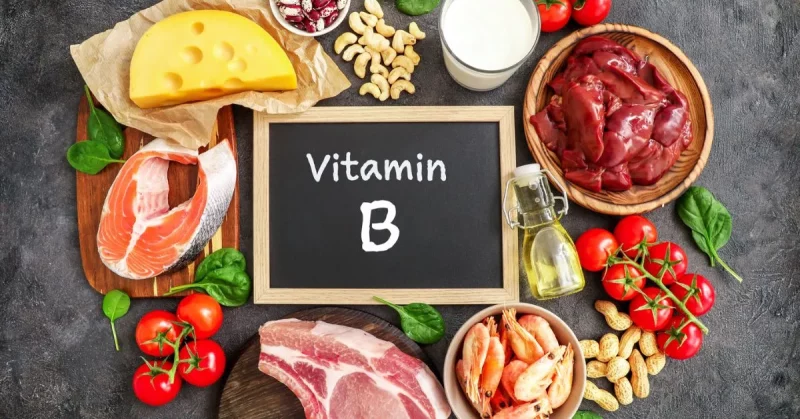
- Leafy greens (spinach, kale) – high in folate
- Whole grains (brown rice, oats) – contain multiple B vitamins
- Eggs – a good source of B12 and B2
- Lean meats and fish – rich in B6 and B12
- Legumes (beans, lentils) – high in folate
- Dairy products – contain B2 and B12
- Fortified cereals – often enriched with several B vitamins
A balanced diet can go a long way in supporting your recovery after a stroke.
Should You Take B Vitamin Supplements?
This is one of the most common questions and the answer depends on your individual needs.
You might consider supplements if:
- You have a confirmed deficiency
- You have dietary restrictions (such as vegetarian or vegan diets, which can affect B12 intake)
- Your doctor recommends them based on your health history
However, while it can be tempting to start supplementing with Vitamin B right away, more is not always better.
Taking high doses of certain B vitamins especially without guidance can lead to unwanted side effects or interactions with certain medications.
That’s why the first step should always be a conversation with your doctor.
They can:
- Check your current levels
- Recommend appropriate doses
- Ensure safety alongside your medications
Final Thoughts: Supporting Your Recovery, One Step at a Time
If you’re exploring ways to support stroke recovery or reduce the risk of another stroke, B vitamins are worth understanding.
They may help:
- Support brain and nerve health
- Improve energy levels
- Manage homocysteine levels linked to stroke risk
At the same time, it’s important to approach supplements with intention. Start by talking with your doctor, and keep your approach simple and consistent so you can truly understand what works for you.
We hope you enjoyed this article and subscribe to our newsletter for weekly articles just like this delivered straight to your inbox — subscribe here.
Want to learn more? Check out the following articles:
Here Are the Top 7 Vitamins for Stroke Recovery Based on the Latest Clinical Evidence
15 Foods that Help Stroke Recovery: What to Include and Avoid in Your Diet
The DASH Diet and Stroke: How What You Eat Can Protect Your Brain