
Recovering from a stroke can feel overwhelming at times. There are doctor visits, therapy sessions, exercises, medications, and countless adjustments to daily life. With so much to focus on, nutrition can sometimes get pushed to the side.
However, what you eat can play a powerful role in supporting your brain’s ability to heal.
After a stroke, your brain relies heavily on neuroplasticity, the process that allows the brain to reorganize and form new neural connections. This process helps healthy parts of the brain take over functions that may have been affected by the stroke. Consistent and repetitive rehabilitation exercises are essential for stimulating neuroplasticity, but nutrition can help support the brain while it works to rebuild.
In fact, certain foods contain nutrients that may help reduce inflammation, support brain cell repair, improve blood flow, and protect neurons from further damage. So while no single food can “cure” a stroke, adding brain-supportive foods to your daily routine can give your recovery an extra boost.
In this article, we will take a look at 7 brain boosting superfoods to eat after stroke that may help support neuroplasticity after stroke. Plus we’ll share simple ways to add them to your meals so you can maximize your nutrition and recovery!
Let’s dive in!
Table of contents
Why Nutrition Matters for Brain Recovery After Stroke
Before exploring specific foods, it helps to understand why the foods you eat after a stroke as well as overall nutrition matter so much during stroke recovery.
Well, after a stroke, the brain enters a period of intense repair. Damaged neurons try to rebuild connections, new neural pathways begin to form, and surrounding brain regions start adapting to take on new roles. This process requires energy, oxygen, and nutrients.
And several nutritional factors can influence this process by:
Reducing inflammation
Stroke often triggers inflammation in the brain. While some inflammation is part of the healing process, too much can slow recovery. Certain foods contain anti-inflammatory compounds that may help support a healthier recovery environment.
Supporting neuron repair
Nutrients such as omega-3 fatty acids, antioxidants, vitamins, and minerals play important roles in maintaining healthy brain cells and supporting repair mechanisms.
Protecting brain cells
Oxidative stress can damage neurons after a stroke. Antioxidant-rich foods help neutralize harmful molecules that can contribute to this damage.
Supporting blood flow
Healthy circulation ensures the brain receives oxygen and nutrients. Many brain-supportive foods promote better vascular health as well.
Of course, food alone cannot replace rehabilitation exercises, therapy, or medical care. However, combining healthy nutrition with consistent therapy can help create a stronger foundation for recovery.
Now let’s take a closer look at some of the most helpful brain-boosting foods to eat after a stroke.
7 Best Brain-Boosting Foods to Eat After Stroke
1. Blueberries
Blueberries are often called one of the most powerful brain foods, and for good reason.
These small berries are packed with antioxidants called flavonoids, which help protect brain cells from oxidative stress. Oxidative stress increases after a stroke and can damage neurons if left unchecked. By neutralizing harmful molecules, blueberries may help create a healthier environment for brain repair.
In addition, some research suggests that flavonoids may help improve communication between brain cells. Stronger communication between neurons can support learning, memory, and neuroplasticity.
Blueberries may also help improve blood flow to the brain. Good circulation is essential during recovery because it delivers oxygen and nutrients that neurons need to rebuild connections.
All of this makes blueberries one of our top foods to eat after a stroke!
Easy ways to add blueberries to your diet
If you are looking for simple ways to enjoy blueberries, try:
- Adding them to oatmeal or yogurt
- Blending them into smoothies
- Mixing them into whole-grain cereal
- Tossing them into a fruit salad
Even a small handful each day can provide beneficial nutrients.
2. Fatty Fish
Fatty fish are one of the richest sources of omega-3 fatty acids, which are essential for brain health.
Omega-3s play an important role in maintaining the structure of brain cell membranes. They also help regulate inflammation and support communication between neurons. Because of this, they are often linked to improved cognitive function and overall brain health.
After a stroke, omega-3 fatty acids may help support the brain’s repair processes and encourage the formation of new neural pathways.
Some excellent sources of omega-3s include:
- Salmon
- Sardines
- Mackerel
- Trout
- Herring
Eating fatty fish regularly may also help support heart health and circulation, which are both critical for preventing future strokes.
Simple ideas to add fatty fish to your diet:
If cooking feels challenging during recovery, consider:
- Baking salmon with olive oil and herbs
- Adding canned sardines to salads
- Mixing tuna with avocado for a sandwich spread
- Including grilled fish in grain bowls
Aim to eat fatty fish two to three times per week when possible.
3. Leafy Green Vegetables
It is likely no surprise that leafy greens provide a wide variety of nutrients that support brain health.
For example, vegetables such as spinach, kale, Swiss chard, and collard greens contain:
- Vitamin K
- Folate
- Lutein
- Beta carotene
These nutrients have been associated with better cognitive health and may help slow age-related cognitive decline.
Folate, in particular, plays an important role in brain function and the formation of new cells. It also helps regulate homocysteine levels in the blood, which is important for vascular health.
Because stroke recovery depends heavily on both brain function and healthy circulation, leafy greens are a great food to eat following stroke to optimize recovery!
Easy ways to eat more leafy greens
If raw salads feel difficult to chew or swallow, try:
- Adding spinach to smoothies
- Sautéing greens with garlic and olive oil
- Mixing chopped greens into soups or stews
- Blending greens into pasta sauces
Cooking greens can also make them easier to digest.
4. Walnuts
Walnuts are one of the most brain-friendly nuts available.
They contain healthy fats, antioxidants, vitamin E, and plant-based omega-3 fatty acids. Interestingly, walnuts even resemble the shape of the human brain.
Research suggests that these nutrients may help support cognitive health and reduce inflammation in the body. Because inflammation and oxidative stress can affect brain recovery, foods that combat these factors may be helpful during rehabilitation.
Walnuts also contain compounds that may help support communication between brain cells. Strong neural communication is essential for learning new movements and regaining lost abilities after stroke.
Simple ways to enjoy walnuts
Walnuts can easily be added to many meals:
- Sprinkle chopped walnuts on oatmeal
- Add them to yogurt or salads
- Blend them into smoothies
- Use walnut butter on toast
Because walnuts are calorie-dense, a small handful is usually enough.
5. Avocados
Avocados are rich in healthy monounsaturated fats, which help support blood flow and cardiovascular health and puts them on our radar of foods to eat after a stroke!
Good circulation is especially important after a stroke because the brain needs consistent oxygen and nutrient delivery to rebuild neural connections. In addition, avocados contain several important vitamins and minerals, including:
- Vitamin K
- Folate
- Vitamin C
- Potassium
Potassium helps regulate blood pressure, which is an important factor in stroke prevention and recovery.
The healthy fats in avocados may also help support brain cell membrane integrity. Strong cell membranes allow neurons to communicate more effectively, which plays a key role in neuroplasticity.
Easy meal ideas with avocado
Try incorporating avocado by:
- Spreading mashed avocado on whole-grain toast
- Adding sliced avocado to salads or wraps
- Blending avocado into smoothies for creaminess
- Mixing it into scrambled eggs
Its soft texture also makes it easier for individuals who may have chewing difficulties.
6. Turmeric
Turmeric is a bright yellow spice that contains a powerful compound called curcumin.
Curcumin has gained attention for its strong anti-inflammatory and antioxidant properties. Since inflammation and oxidative stress can occur after a stroke, curcumin may help support a healthier environment for brain recovery.
Some research suggests that curcumin may also support the expression of brain-derived neurotrophic factor (BDNF). BDNF is a protein that helps neurons grow, survive, and form new connections.
Because neuroplasticity relies on the brain’s ability to form new neural pathways, nutrients that support BDNF may be especially valuable during stroke rehabilitation.
Ways to use turmeric
Turmeric can be added to many meals, such as:
- Soups and stews
- Rice dishes
- Smoothies
- Scrambled eggs
Combining turmeric with black pepper helps improve curcumin absorption.
7. Dark Chocolate
Dark chocolate may surprise some people, but it can actually support brain health when enjoyed in moderation.
High-quality dark chocolate contains flavonoids, antioxidants that may help improve blood flow to the brain. Improved circulation helps deliver oxygen and nutrients that neurons need to function properly.
Flavonoids may also support memory, learning, and overall cognitive function.
In addition, dark chocolate can boost mood by stimulating the release of certain brain chemicals associated with pleasure and relaxation. Emotional well-being plays an important role in motivation and engagement during rehabilitation.
Choosing the right chocolate
To get the most benefits, choose chocolate that contains:
- At least 70% cocoa
- Minimal added sugar
- Few artificial ingredients
A small square or two can be enough to enjoy the benefits without overdoing it.
Tips for Building a Brain-Healthy Diet After Stroke
While these seven foods can support brain health, the overall pattern of your diet matters just as much.
Here are a few helpful strategies to keep in mind.
Focus on whole foods
Whole, minimally processed foods tend to contain more beneficial nutrients and fewer harmful additives.
Stay hydrated
Water supports circulation, digestion, and overall brain function.
Eat balanced meals
Try to include:
- Lean proteins
- Healthy fats
- Fruits and vegetables
- Whole grains
Balanced meals provide steady energy throughout the day.
Make small, consistent changes
You do not need to overhaul your diet overnight. Even adding one or two brain-supportive foods to your daily routine can make a meaningful difference over time.
Nutrition Works Best Alongside Rehabilitation
It is important to remember that nutrition alone cannot drive neuroplasticity.
The brain rewires itself primarily through repetition and practice. This means that rehabilitation exercises remain one of the most important tools for recovery.
Each time you practice a movement, your brain strengthens the neural pathways associated with that skill. Over time, those pathways become more efficient, helping movements feel easier and more natural.
Nutrition helps support the brain during this process by providing the nutrients needed for repair, protection, and energy.
In other words, food helps fuel the brain, but therapy helps train it.
Why Repetitive Task Training Is So Important to Stroke Rehab (and 8 Tips to Stay Consistent)
Supporting Neuroplasticity After Stroke By Eating the Right Foods
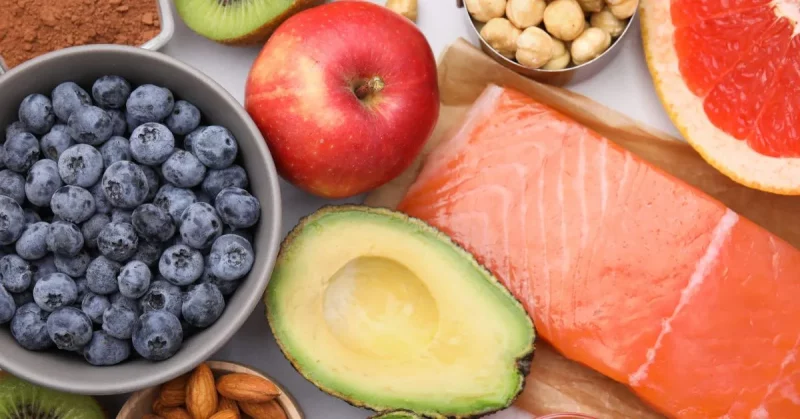
Adding brain-boosting foods like blueberries, fatty fish, leafy greens, walnuts, avocados, turmeric, and dark chocolate is one simple way to support your body and brain along the recovery journey.
By combining rehabilitation exercises, supportive nutrition, and healthy lifestyle habits, you create an environment where the brain has the best chance to heal and adapt.
If you want to learn more, check out our article Foods to Avoid After a Stroke – The Worst Foods to Eat After a Stroke and Why You Should Avoid Them.
And remember, every positive choice you make today helps support the healing your brain is working toward tomorrow.
We hope you enjoyed this article and subscribe to our newsletter for weekly articles just like this delivered straight to your inbox — subscribe here.