A Therapist’s Guide to Finding the Perfect AFO Brace for Foot Drop
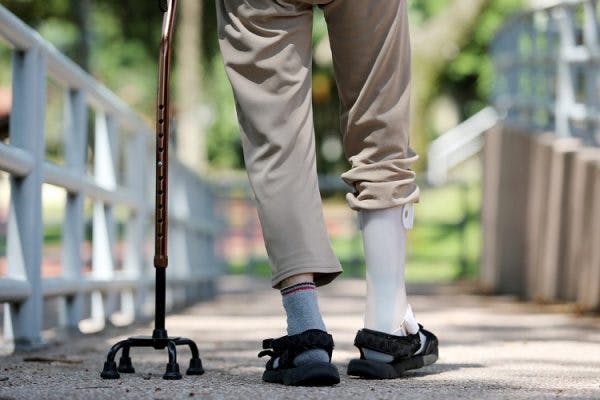
Foot drop involves difficulty lifting the front portion of the foot, a movement known as dorsiflexion. Because this can make it difficult to walk and

Foot drop involves difficulty lifting the front portion of the foot, a movement known as dorsiflexion. Because this can make it difficult to walk and
Paralysis refers to the complete or partial loss of muscle function. A neurological injury such as stroke or spinal cord injury can cause different types
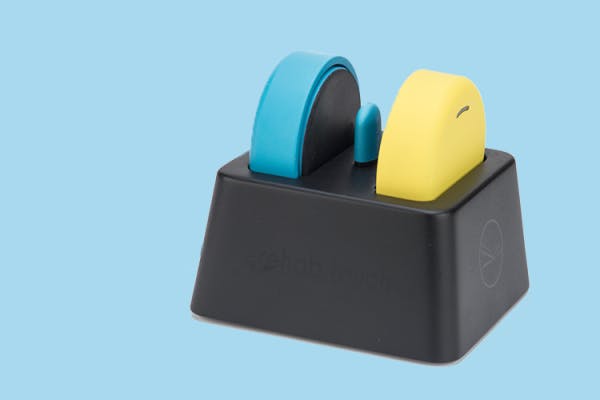
If you’re trying to overcome stroke paralysis, we have an inspiring success story to share with you. A stroke survivor named Ron was able to

If you are looking for some natural ways to recover from foot drop, we have some ideas for you to try. This article provides ways to

After a stroke, survivors may start to actively lean towards the affected side of their body. This is a condition known as pusher syndrome, formally

Quick Summary Transcortical motor aphasia is a type of language disorder that can be present following a stroke or other neurological injury. Transcortical motor aphasia

Quick Summary Global aphasia is the most severe type of aphasia caused by extensive damage to the areas of the brain associated with language. Although

Hemiplegia results from a neurologic condition that includes damaged brain cells on one side of the brain. Medical conditions that damage the nervous system such

Quick Summary When individuals have trouble producing speech after stroke, they may be recommended to pursue expressive aphasia treatment. Expressive aphasia, also known as Broca’s

Quick Summary Aphasia is a communication disorder that involves a loss of ability to understand or express speech after neurological injury. There are many types