10 Ways to “Shock” Your Brain Out of a Stroke Recovery Plateau and Keep Progress Moving Forward
Recovering after a stroke rarely follows a straight path. In the early weeks or months, progress can feel steady. You might notice small wins each
Recovering after a stroke rarely follows a straight path. In the early weeks or months, progress can feel steady. You might notice small wins each

Finding the right Christmas gift for a stroke survivor can feel challenging at times. You want something meaningful, useful, and supportive without feeling overly clinical.
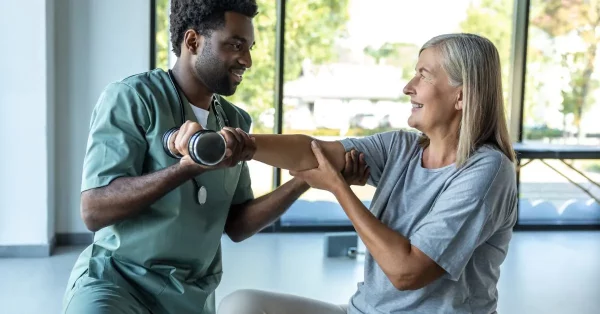
Stroke recovery often feels like a slow climb, especially when weakness or paralysis affects one side of the body. Many survivors wonder how they can
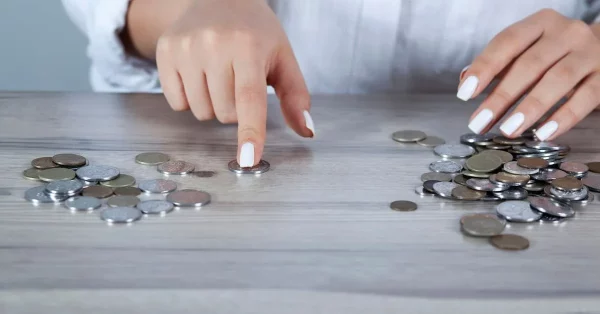
Recovering after a stroke takes time, patience, and a lot of practice. Every movement from lifting a fork to tying a shoe helps your brain
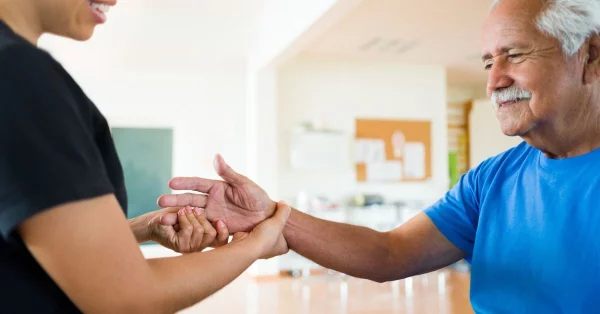
Hand spasticity is one of the most frustrating challenges many stroke survivors face. Muscles in the hand and fingers tighten involuntarily, making it hard to
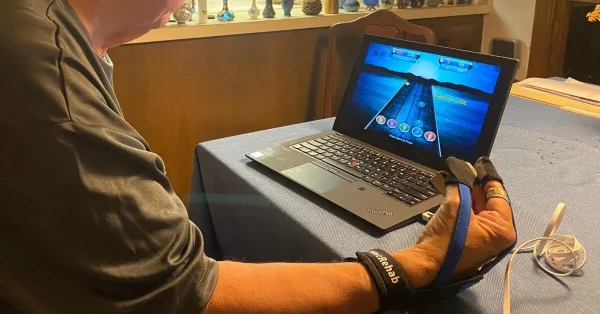
Hand function plays a vital role in everyday activities—from buttoning a shirt to holding a glass of water. When injury, surgery, stroke, or conditions like
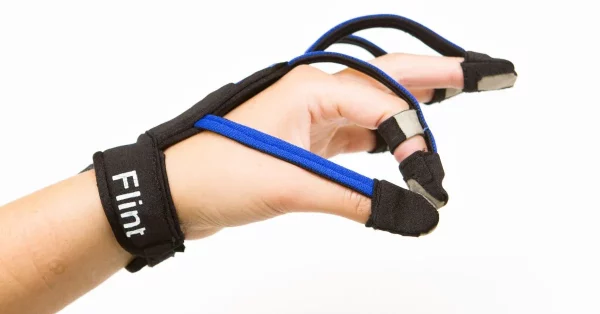
A stroke can significantly affect the hand and fingers, making everyday tasks like buttoning a shirt or holding a cup difficult. Regaining finger mobility and
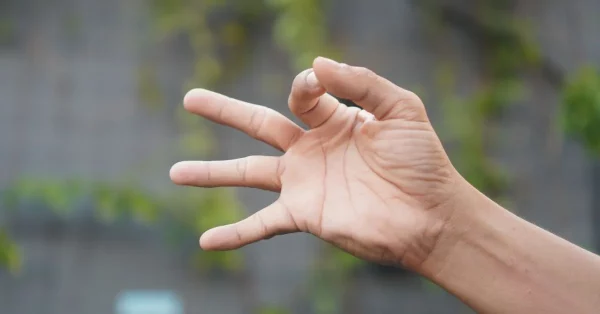
When you think about the incredible things your hands can do—tying shoelaces, typing, playing piano—it all comes down to coordination. One of the key building
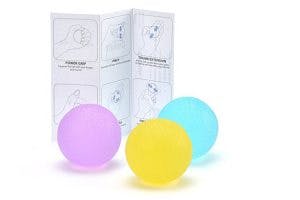
Hand therapy ball exercises are an affordable way to increase strength and dexterity in your hands. They are simple to use and extremely versatile, which
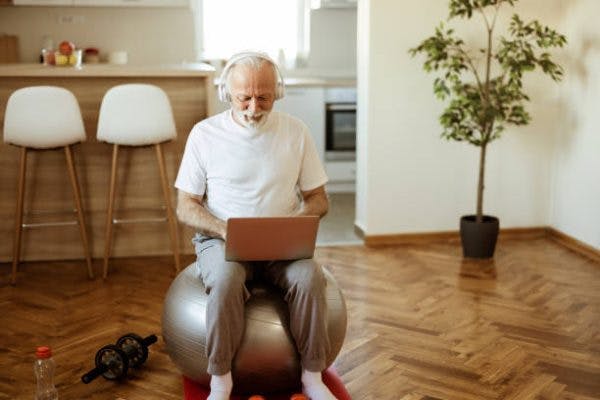
Recovering from a stroke can seem more like a marathon than a sprint. Recovery is a gradual process that unfolds one repetition at a time.