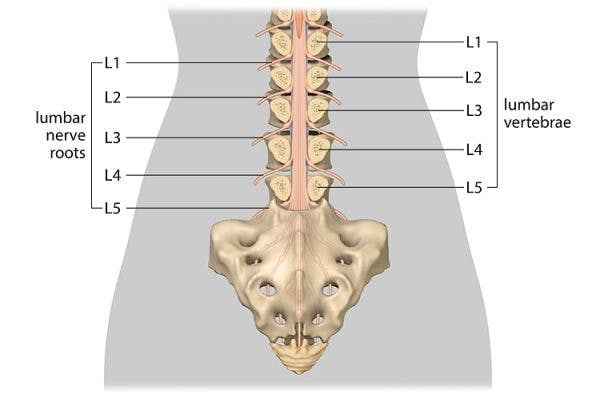
Lumbar Spinal Cord Injury: What to Expect After L1, L2, L3, L4, L5 SCI
A lumbar spinal cord injury can cause varying degrees of paralysis in the lower body, also known as paraplegia. With effective management strategies, individuals with lumbar

A lumbar spinal cord injury can cause varying degrees of paralysis in the lower body, also known as paraplegia. With effective management strategies, individuals with lumbar
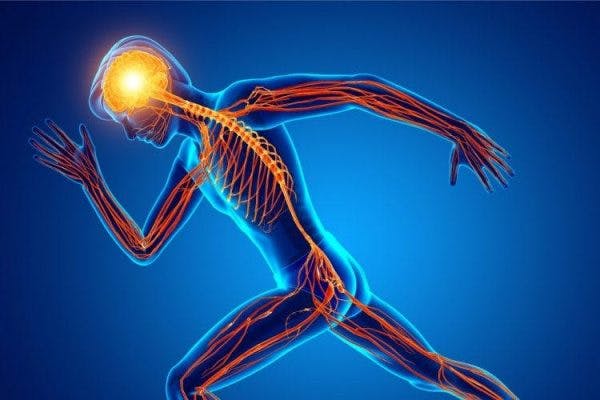
The level of a spinal cord injury refers to the lowest region of the spinal cord where normal motor control and sensation exist. Knowing one’s

Spinal cord injury in children can have significant effects on their mobility and sensation. However, children often are able to recover more quickly from spinal

When a spinal cord injury (SCI) is caused by external forces, such as a car accident or fall, it is called a traumatic spinal cord

Brown-Séquard syndrome is a rare form of incomplete spinal cord injury characterized by weakness and/ or paralysis on one side of the body, with specific

An incomplete spinal cord injury can result in a wide range of sensory and/or motor impairments. Depending on the severity of an individual’s spinal cord
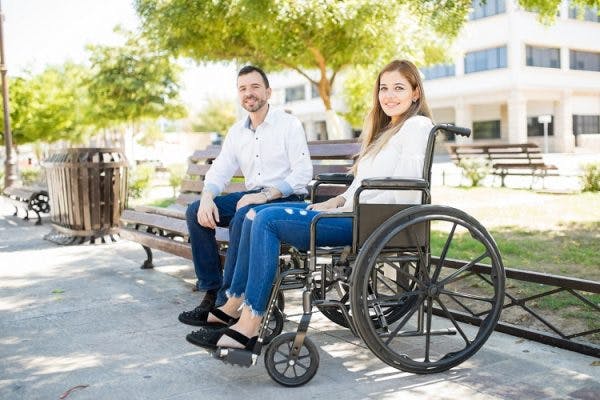
Incomplete quadriplegia involves weakness or paralysis of all four limbs. Depending on the severity of the spinal cord injury, individuals may have residual movement. About 47% of
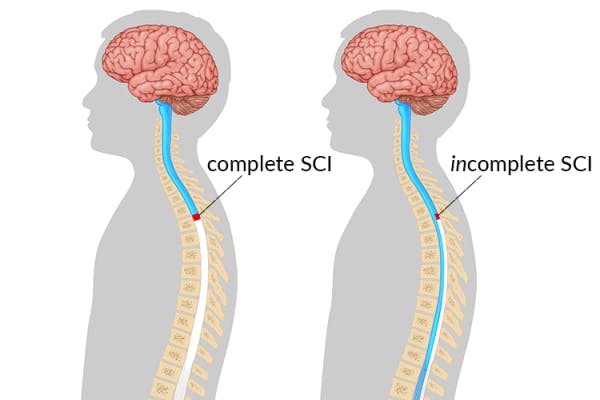
One way to measure the severity of a spinal cord injury is to determine whether it is complete or incomplete. These two classifications of injury

About 20% of all spinal cord injuries result in incomplete paraplegia, according to the National Spinal Cord Injury Statistical Center. While incomplete paraplegia can affect your

Becoming paralyzed from the neck down after a spinal cord injury usually means that you’ve injured one of the higher cervical nerves. The cervical region of