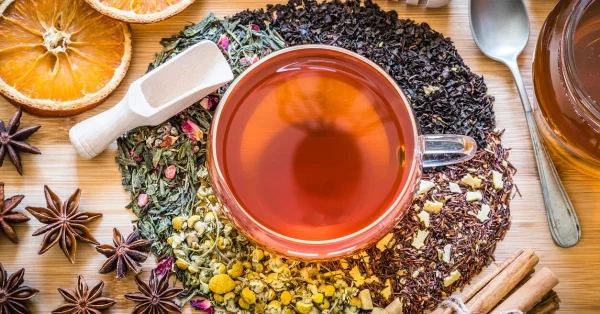
12 Great Alternatives to Caffeine After Stroke for Improved Energy and Focus
Fatigue is one of the most common symptoms stroke survivors face, affecting both physical and mental energy. Many people are used to reaching for caffeine

Fatigue is one of the most common symptoms stroke survivors face, affecting both physical and mental energy. Many people are used to reaching for caffeine
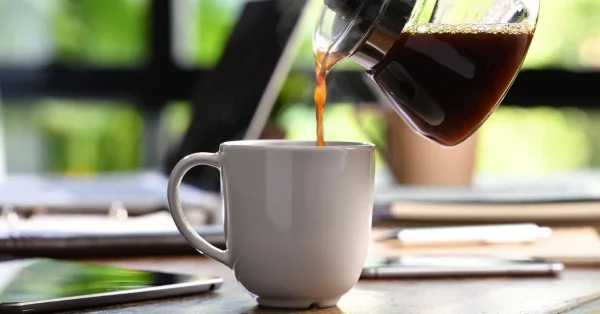
Caffeine is part of many people’s daily routines. Whether it comes from coffee, tea, soft drinks, or chocolate, it can offer a quick boost in

Recovery after a stroke or brain injury doesn’t happen overnight. It’s built one repetition at a time through consistent practice, daily effort, and the right
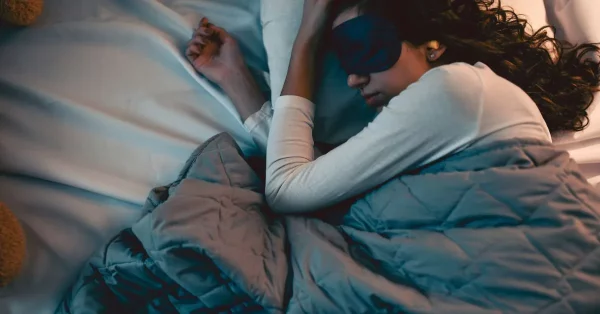
Sleep plays a major role in recovery after stroke. Your brain needs rest to heal, form new connections, and support the hard work you put

Finding the right Christmas gift for a stroke survivor can feel challenging at times. You want something meaningful, useful, and supportive without feeling overly clinical.
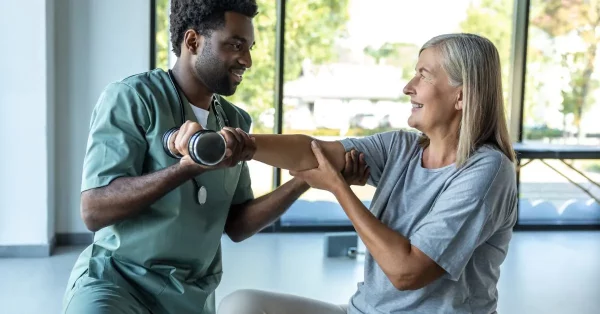
Stroke recovery often feels like a slow climb, especially when weakness or paralysis affects one side of the body. Many survivors wonder how they can
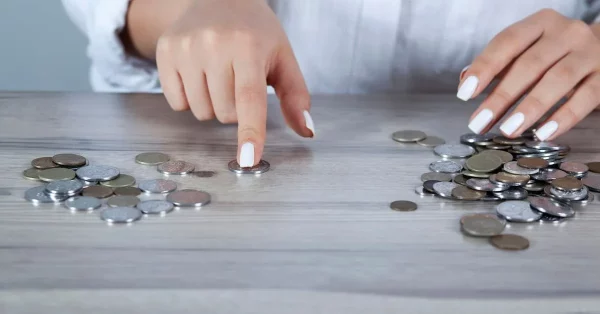
Recovering after a stroke takes time, patience, and a lot of practice. Every movement from lifting a fork to tying a shoe helps your brain
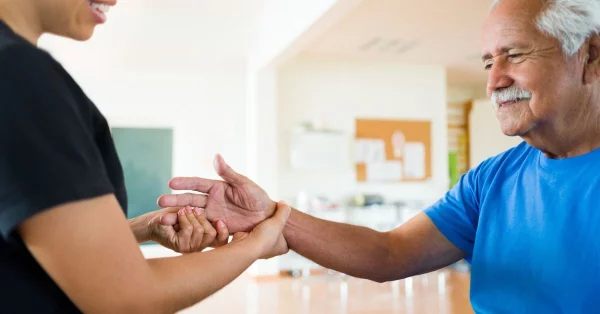
Hand spasticity is one of the most frustrating challenges many stroke survivors face. Muscles in the hand and fingers tighten involuntarily, making it hard to

Stroke recovery involves a lot of moving parts. For example, daily therapy, routines, appointments, and rebuilding strength just to name a few. But none of
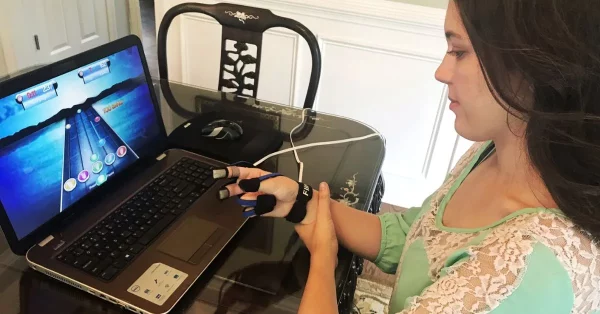
Recovering from a stroke or brain injury is a journey that requires patience, consistency, and the right approach. While working with a physical and/or occupational