Stroke Recovery Treatment: The Best Methods for Rehabilitating the After Effects
With all the stroke recovery treatment options available, how do you know which one is best for you? Since every stroke is different, every person

With all the stroke recovery treatment options available, how do you know which one is best for you? Since every stroke is different, every person

On the road to recovery, it can be tempting to look for methods to recover from stroke quickly. Fortunately, while stroke recovery is a lengthy
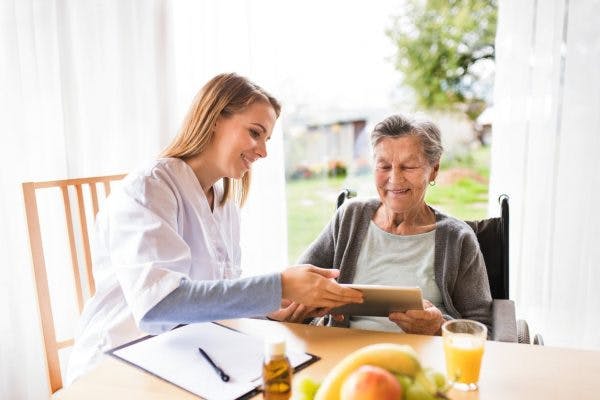
There is an app for almost everything, and this includes recovery for stroke patients. Apps for stroke patients conveniently provide access to therapy straight from
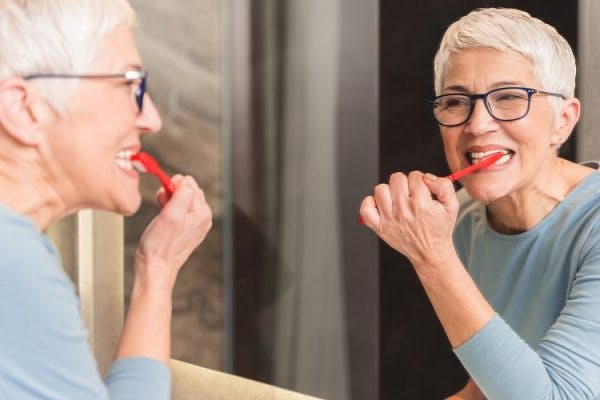
After stroke, many different aspects of a survivor’s life can be affected, including the activities of daily living. The activities of daily living are the
Can the brain heal itself after a stroke? Research has demonstrated that yes, the brain does possess an extraordinary ability to heal itself after stroke.
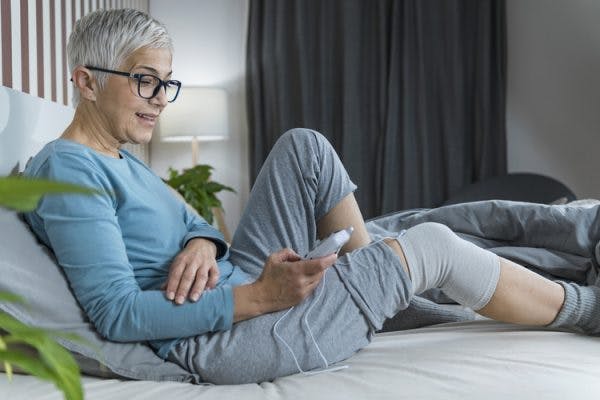
Electrical stimulation for stroke patients offers a wide range of benefits. From improving motor skills to preventing atrophy, electrical stimulation can help you overcome many secondary
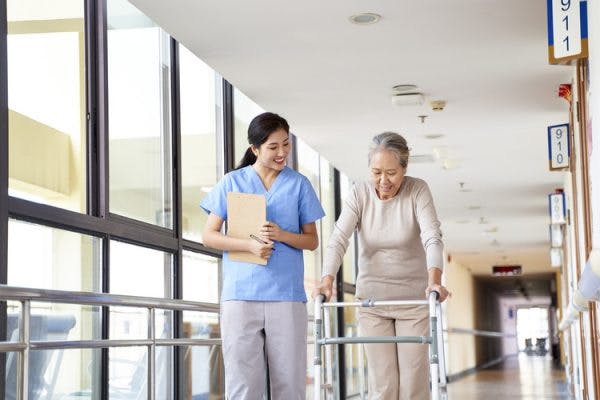
Stroke paralysis treatments can help patients improve their chances of regaining mobility in their affected limbs. Although paralysis impacts many stroke survivors, there are several
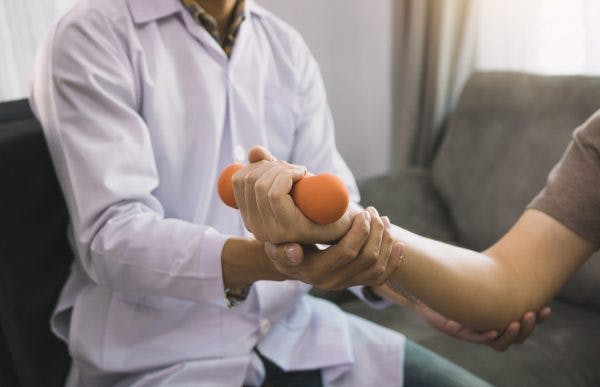
Muscle atrophy after stroke refers to a decrease in muscle mass, which can lead to reduced strength and increased risk of injury. It is common
Neuroplasticity after stroke is a widely discussed topic, but survivors may be left wondering how this relates to recovery. On average, the brain uses 100
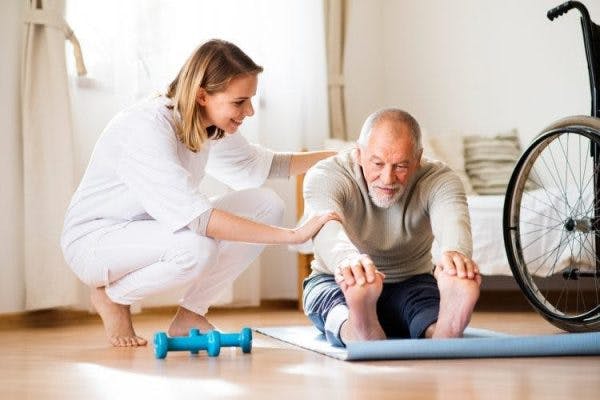
Knowing the difference between active vs passive exercises can help you understand what your rehabilitation process will encompass. It can be difficult for survivors to