
After a brain injury, it is common to notice changes in memory, attention, problem-solving, language, or processing speed. These changes can feel frustrating and, at times, discouraging.
The good news is that the brain is adaptable. With the right activities and consistent practice, cognitive skills can improve over time. Progress may feel slow at first, but small, repeated efforts add up. The activities below are designed to be supportive, flexible, and realistic for everyday life. You do not need to do all of them. Instead, think of this list as a menu. Choose one or two that feel manageable, and build from there.
Before diving in, remember this important point. Cognitive recovery is not about being perfect. It is about practicing, noticing patterns, and gently challenging the brain in a safe way.
Let’s walk through nine cognitive activities for adults that can support recovery after brain injury.
Why Cognitive Activities Matter After Brain Injury
Cognitive skills guide almost everything we do. They help us follow conversations, plan our day, manage emotions, and solve everyday problems. After a brain injury, these skills may not work the way they used to, but that does not mean they are gone.
When you practice cognitive activities, you are encouraging the brain to form new connections. This process is called neuroplasticity. Simply put, the brain learns by doing. The more often you engage in meaningful mental tasks, the more opportunities your brain has to strengthen and rebuild pathways.
The brain goes through a period of enhanced neuroplasticity in the first 3-6 months after an injury. Because of this, improvements may occur more rapidly during this time. However, the brain is always changing. Whether your injury was weeks, months, or years ago, there is always hope for recovery.
In addition to promoting cognitive recovery through neuroplasticity, cognitive activities can restore confidence. Feeling capable again, even in small ways, can improve motivation and emotional well-being.
With that in mind, let’s jump in!
1. Structured Memory Practice
Memory challenges are one of the most common concerns after brain injury. You might forget appointments, misplace items, or struggle to recall conversations. While this can be upsetting, memory is a skill that can be trained.
How This Activity Helps
Structured memory practice helps the brain learn how to encode, store, and retrieve information more efficiently. Over time, repetition can make recall feel less effortful.
How to Practice at Home
Start with simple, predictable routines. For example, write down three things you did earlier in the day and review them later. Gradually increase difficulty by recalling details such as names, locations, or sequences.
You can also practice remembering short lists, such as grocery items or daily tasks. Say them out loud, write them down, then check your recall after a few minutes. As confidence grows, extend the time between practice and recall.
Consistency matters more than length. Even five to ten minutes a day can make a difference.
2. Attention and Focus Exercises
Difficulty concentrating can make conversations, reading, or watching TV feel exhausting. Attention exercises help train the brain to stay engaged for longer periods.
Why Attention Training Is Important
Attention is the gateway to all other cognitive skills. If focus improves, memory, learning, and problem-solving often improve as well.
Simple Ways to Build Focus
Choose one task and remove distractions. Turn off background noise, silence notifications, and focus only on that activity. This might be reading a short article, listening to a podcast, or completing a puzzle.
Start with short sessions, such as five minutes. When that feels manageable, gradually increase the time. If your attention drifts, gently bring it back without judgment. That act of refocusing is part of the exercise.
Over time, the brain can become more efficient at sustaining attention.
3. Word Games and Language Activities
Language difficulties may show up as trouble finding the right word, following conversations, or understanding written information. Word-based activities can help strengthen these skills.
How Language Practice Supports Recovery
Language activities engage multiple brain areas at once. They support vocabulary, comprehension, and expressive communication.
Ideas to Try
Word searches, crosswords, and simple trivia games are excellent starting points. You can also practice naming objects around the house or describing pictures in detail.
Another helpful exercise is reading short passages and summarizing them in your own words. This supports comprehension and expression at the same time.
If fatigue sets in, take a break. Language practice should feel challenging but not overwhelming.
4. Problem-Solving and Reasoning Tasks
Problem-solving can feel especially difficult after a brain injury. Tasks that once felt automatic may now require more effort. Practicing reasoning skills helps rebuild mental flexibility.
Why Problem-Solving Matters
Problem-solving supports independence. It helps with decision-making, planning, and adapting to unexpected situations.
Everyday Ways to Practice
Start with real-life scenarios. For example, plan a simple meal, organize a short outing, or create a daily schedule. Talk through each step out loud if helpful.
You can also use puzzles such as Sudoku, logic games, or matching activities. Begin with easier levels and progress slowly.
Remember, the goal is not speed. Accuracy and understanding are far more important.
5. Reading and Comprehension Practice
Reading can be a powerful cognitive activity, but after brain injury, it may feel more tiring than before. With the right approach, reading can become enjoyable again.
How Reading Helps the Brain
Reading supports attention, memory, language, and comprehension. It also encourages mental endurance.
Making Reading More Accessible
Choose material that genuinely interests you. Short articles, magazines, or familiar books often work best at first. Read for a few minutes, then pause to reflect on what you read.
You might underline key points or write a short summary afterward. If reading is difficult, listening to audiobooks while following along with the text can be helpful.
Over time, reading stamina often improves with regular practice.
6. Planning and Organization Activities
Planning and organization are executive functions that are commonly affected by brain injury. These skills help manage daily life and reduce stress.
Why These Skills Are Important
Strong planning skills support independence and confidence. They help turn intentions into actions.
Practical Exercises to Try
Use a daily planner or calendar to map out activities. Start with just one or two tasks per day. Review the plan in the morning and reflect on it in the evening.
Breaking tasks into smaller steps can also help. For example, instead of “clean the kitchen,” list individual steps like wiping counters or loading the dishwasher.
These small habits can gradually strengthen executive functioning.
7. Visual-Spatial Activities
Visual-spatial skills help with understanding shapes, directions, and spatial relationships. These skills are essential for navigation, drawing, and many daily tasks.
How Visual-Spatial Practice Helps
Practicing these skills improves awareness of space and supports coordination between vision and thinking.
Activities That Support Visual Skills
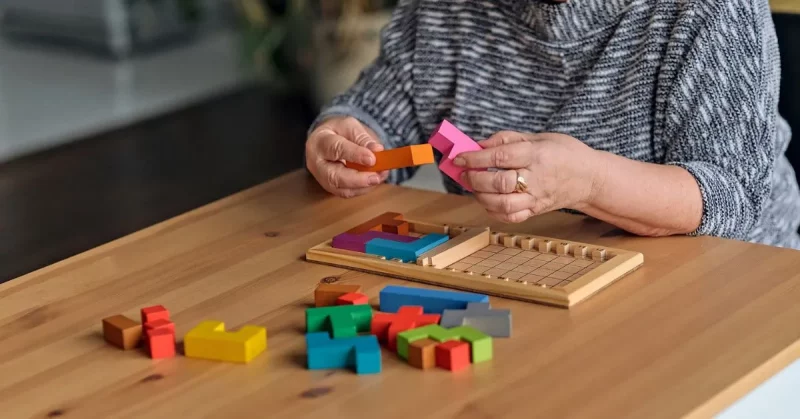
Jigsaw puzzles, matching games, and drawing exercises are excellent options. You can also practice navigating familiar walking routes or organizing objects by size or color.
Start with simple layouts and gradually increase complexity. If frustration arises, step back to an easier level.
Patience and repetition are key here.
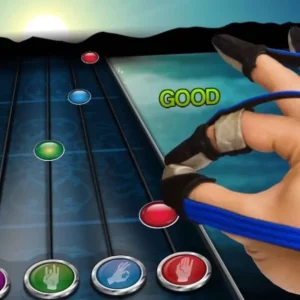
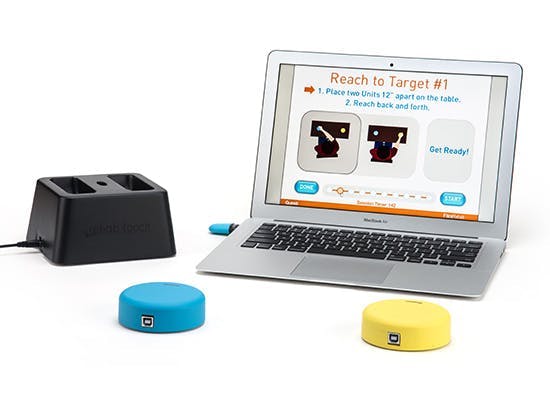
8. Technology-Based Cognitive Exercises
Digital cognitive tools can be a convenient way to practice thinking skills at home. Many programs are designed to adapt to your performance level.
Benefits of Digital Cognitive Practice
Technology-based exercises often provide immediate feedback and structure. This can make practice feel more engaging and motivating.
Tips for Using Technology Wisely
Choose programs that focus on repetition and gradual progression. Avoid switching between too many apps at once. Consistency with one program is more effective than occasional use of many.
If screens cause fatigue, balance digital exercises with offline activities. Variety helps prevent burnout.
Try the Award Winning CT Speech and Cognitive Therapy App
9. Meaningful Conversation and Social Interaction
Social interaction is an often overlooked but powerful cognitive activity. Conversation engages memory, attention, language, and emotional processing all at once.
Why Conversation Supports Cognitive Health
Talking with others challenges the brain in natural, meaningful ways. It also supports emotional well-being, which is closely tied to cognitive recovery.
How to Make Conversation More Supportive
Choose calm environments and allow extra time for responses. It is okay to pause, repeat, or rephrase as needed.
If you are a caregiver, gentle prompts and patience go a long way. For survivors, remind yourself that communication improves with practice.
Even short, positive interactions can have lasting benefits.
How to Build a Sustainable Cognitive Routine After TBI
Now that you have seen these nine activities, you may be wondering how to fit them into daily life. The answer is simple. Start small.
Choose one or two activities that feel doable. Practice them at the same time each day to build a routine. As confidence grows, add variety or increase difficulty gradually.
Rest is just as important as practice and cognitive fatigue is real. Remember that taking breaks when you need to supports recovery rather than slowing it down.
Cognitive Activities Support Recovery After Brain Injury
Cognitive recovery after brain injury is not a straight line. Some days will feel easier than others. That is normal. What matters most is showing up consistently and being kind to yourself along the way.
Every repetition, every attempt, and every small success helps the brain learn. With patience, structure, and the right activities, meaningful progress is possible.
Whether you are navigating this journey yourself or supporting someone you love, know that you are not alone. Cognitive skills can improve, and hope remains a powerful part of recovery.
We hope you enjoyed this article and subscribe to our newsletter for weekly articles just like this delivered straight to your inbox — subscribe here.