

When spinal cord conditions are discussed, conus medullaris syndrome is often mentioned alongside cauda equina syndrome. While the two are related and can share overlapping symptoms, they are distinct conditions with different causes, patterns of nerve involvement, and treatment considerations.
Conus medullaris syndrome affects the very end of the spinal cord. Because this area plays a central role in lower body movement, sensation, and bladder and bowel control, damage here can have a profound impact on daily life. Understanding what conus medullaris syndrome is, how it develops, and what treatment options exist can help patients and caregivers recognize symptoms early and seek appropriate care.
In this article we will go over conus medullaris syndrome in clear, practical terms, covering symptoms, causes, diagnosis, treatment, and long term recovery.
Table of contents
What Is Conus Medullaris Syndrome?
Conus medullaris syndrome occurs when the conus medullaris, the tapered lower end of the spinal cord, becomes damaged or compressed. The conus medullaris typically ends around the level of the first or second lumbar vertebra, though this can vary slightly from person to person.
This region contains nerve tissue that connects the brain to nerves responsible for:
- Sensation in the lower limbs and pelvic area
- Motor control of the legs
- Bladder, bowel, and sexual function
When injury or pressure affects this part of the spinal cord, neurological symptoms can appear quickly and may involve both sides of the body.
Conus medullaris syndrome is considered a serious neurological condition. While not always classified as an emergency in the same way as cauda equina syndrome, prompt evaluation and treatment are still critical to reduce the risk of permanent deficits.
Conus Medullaris vs Cauda Equina Syndrome
Because these two conditions affect nearby structures, they are often confused. However, there are key differences worth understanding.
Location of Nerve Damage
- Conus medullaris syndrome involves the spinal cord itself at its terminal end.
- Cauda equina syndrome involves compression of the bundle of nerve roots below the end of the spinal cord.
Symptom Onset
- Conus medullaris symptoms often appear suddenly and progress rapidly.
- Cauda equina symptoms may develop more gradually, though sudden onset can also occur.
Symmetry of Symptoms
- Conus medullaris syndrome often causes symptoms on both sides of the body.
- Cauda equina syndrome may present with symptoms that are more pronounced on one side.
Understanding these differences helps clinicians choose the right diagnostic and treatment approach.
Common Symptoms of Conus Medullaris Syndrome
Symptoms of conus medullaris syndrome reflect the critical functions controlled by the lower spinal cord. While presentation can vary, several hallmark features are commonly seen.
Lower Limb Weakness
Weakness in the legs is a frequent symptom. This may affect both legs equally and can range from mild difficulty walking to more severe impairment. Muscle tone changes may also occur, leading to stiffness or reduced control.
Sensory Changes
People with conus medullaris syndrome often experience altered sensation in specific areas, including:
- Reduced sensation around the inner thighs, buttocks and perineal area, often referred to as saddle anesthesia
- Changes in temperature or pain perception in the lower limbs
These sensory changes may appear suddenly and can interfere with balance and coordination.
Bladder Dysfunction
Bladder issues are one of the most concerning symptoms. Common problems include:
- Difficulty starting urination
- Incomplete bladder emptying
- Loss of bladder control
These symptoms occur because the nerves controlling bladder function pass through the conus medullaris.
Bowel Dysfunction
Bowel control can also be affected. Some individuals experience constipation, while others may have difficulty controlling bowel movements. These changes can be distressing and significantly affect quality of life.
Sexual Dysfunction
Damage to the conus medullaris may interfere with sexual function due to disrupted nerve signaling. This can include reduced sensation or difficulty with arousal.
Causes of Conus Medullaris Syndrome
Several conditions can lead to injury or compression of the conus medullaris. Identifying the underlying cause is essential for guiding treatment.
Traumatic Injury
Spinal trauma is a common cause. This may result from:
- Falls
- Motor vehicle accidents
- Sports injuries
- Direct blows to the lower spine
Fractures or dislocations near the thoracolumbar junction can damage the spinal cord at the conus medullaris.
Tumors
Both benign and malignant tumors can compress the conus medullaris. These may originate within the spinal cord, in surrounding tissues, or spread from other parts of the body.
Herniated Discs
Large disc herniations in the upper lumbar region can exert pressure on the conus medullaris, particularly if spinal anatomy is already narrow.
Infections
Spinal infections such as abscesses can cause inflammation and compression of the spinal cord. These infections may develop gradually but can still lead to sudden neurological changes.
Inflammatory Conditions
Diseases like multiple sclerosis or transverse myelitis can affect the spinal cord and contribute to conus medullaris symptoms.
Vascular Issues
Reduced blood flow due to vascular malformations or spinal cord infarction can damage the conus medullaris, leading to sudden onset symptoms.
How Conus Medullaris Syndrome Is Diagnosed
Early and accurate diagnosis is essential for preventing long term complications. Diagnosis typically involves a combination of clinical evaluation and imaging.
Let’s take a look at some of these.
Medical History and Physical Examination
A clinician will review symptoms, onset timing, and any recent injuries. A neurological exam assesses:
- Muscle strength
- Reflexes
- Sensation
- Coordination
In particular, special attention is given to bladder and bowel function as that is a common symptom of conus medullaris syndrome.
Imaging Studies
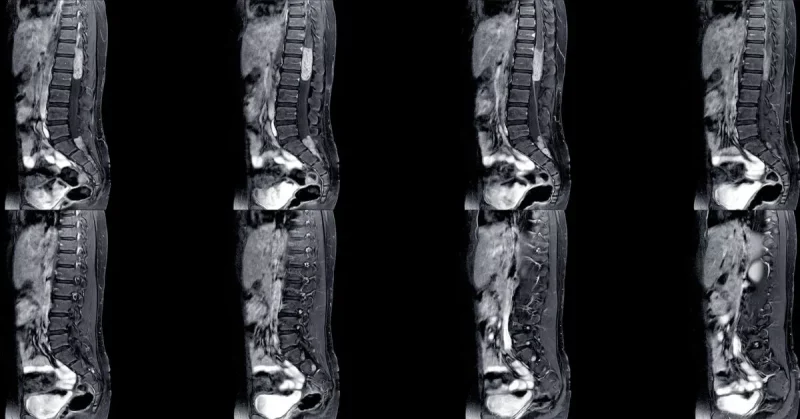
Magnetic resonance imaging, or MRI, is the gold standard for diagnosing conus medullaris syndrome. An MRI provides detailed images of the spinal cord and surrounding structures, helping identify compression, inflammation, or injury.
In some cases, computed tomography (CT) scans may be used, especially when trauma is involved.
Additional Tests
Depending on the suspected cause, additional tests may include blood work, lumbar puncture, or nerve studies to evaluate inflammation or infection. However, these are less common.
Treatment Options for Conus Medullaris Syndrome
Treatment depends on the underlying cause and the severity of symptoms. In many cases, early intervention improves outcomes.
Surgical Treatment
Surgery may be recommended when there is significant compression of the spinal cord. Common goals of surgery include:
- Relieving pressure on the conus medullaris
- Stabilizing the spine
- Removing tumors or herniated disc material
Timely surgical intervention can help preserve neurological function.
Medications
Medications may be used to address inflammation, pain, or infection. These can include:
- Corticosteroids to reduce swelling
- Antibiotics for infections
- Pain management medications
Medication alone is rarely sufficient when compression is severe, but it can support recovery alongside other treatments.
Rehabilitation Therapy
Rehabilitation plays a major role in recovery, especially after surgery or stabilization of the condition.
Physical Therapy
Physical therapy focuses on:
- Strengthening weakened muscles
- Improving balance and coordination
- Restoring safe walking patterns
Therapy programs are tailored to each individual’s abilities and goals.
Occupational Therapy
Occupational therapy helps individuals regain independence in daily activities. This may include training in self care, adaptive strategies, and use of assistive devices.
Pelvic Floor Therapy
For bladder and bowel issues, pelvic floor therapy can help retrain muscles and improve control.
Living With Conus Medullaris Syndrome
Adjusting to life after conus medullaris syndrome often involves both physical and emotional adaptation.
Coping With Physical Changes
Learning new movement strategies, using mobility aids, or adapting daily routines can help individuals remain active and engaged.
Emotional and Mental Health Support
Neurological conditions can affect mental health. Feelings of frustration, anxiety, or grief are common. Counseling, peer support groups, and education can provide valuable coping tools.
Importance of Follow Up Care
Regular follow up with healthcare providers ensures that complications are addressed early and that rehabilitation plans evolve with changing needs.
Final Thoughts
Conus medullaris syndrome is a serious neurological condition that affects the lower end of the spinal cord and disrupts essential functions such as movement, sensation, and bladder control. While it shares similarities with other spinal conditions, its unique features require careful diagnosis and timely treatment.
With early medical care, appropriate treatment, and comprehensive rehabilitation, many people can regain function and adapt successfully to changes caused by this condition. Understanding the signs and seeking help promptly are key steps toward protecting long term neurological health.We hope you enjoyed this article and subscribe to our newsletter for weekly articles just like this delivered straight to your inbox — subscribe here.