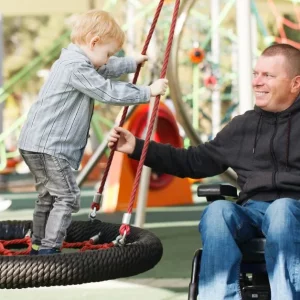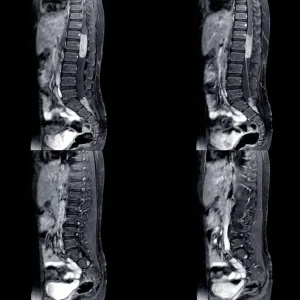


Depression is one of the most common and difficult challenges after a spinal cord injury. Life can change suddenly, routines are disrupted, and the future may feel uncertain. Many people experience grief for the life they had before, along with frustration, fear, or a loss of independence. These feelings are real, valid, and common.
While depression after a spinal cord injury is serious, there are ways to gently support mental health and emotional well being over time.
This guide shares 21 practical activities and approaches that many people with spinal cord injuries find helpful in reducing depressive symptoms. These ideas are not about forcing positivity or pretending things are easy. They are about creating moments of stability, engagement, and meaning that support emotional healing alongside physical recovery.
Let’s jump in!
Table of contents
- 1. Establish a Consistent Daily Routine
- 2. Participate in Physical and/or Occupational Therapy or Movement-Based Activities
- 3. Spend Time Outdoors When Possible
- 4. Practice Mindfulness or Deep Breathing
- 5. Engage in Creative Expression
- 6. Connect With Peer Support Groups
- 7. Set Small and Achievable Goals
- 8. Maintain Social Connections
- 9. Explore Adaptive Hobbies
- 10. Work With a Mental Health Professional
- 11. Practice Gratitude in a Realistic Way
- 12. Improve Sleep Habits
- 13. Volunteer or Help Others in Meaningful Ways
- 14. Focus on Nutrition and Hydration
- 15. Learn New Skills or Knowledge
- 16. Spend Time With Animals or Pets
- 17. Limit Social Media When It Becomes Harmful
- 18. Celebrate Progress Without Comparison
- 19. Incorporate Music Into Daily Life
- 20. Spend Time on Purposeful Reflection
- 21. Ask for Help and Accept Support
- When to Seek Immediate Help
- Fighting Through Depression After Spinal Cord Injury
1. Establish a Consistent Daily Routine
After a spinal cord injury, days can blur together, especially during long periods at home or in rehabilitation. A predictable routine helps bring structure back into daily life.
Waking up, eating meals, doing therapy, resting, and going to bed at similar times each day can reduce feelings of chaos and helplessness. Routines also help regulate sleep, energy levels, and mood. Even a simple daily schedule can provide a sense of normalcy and something to anchor the day around.
2. Participate in Physical and/or Occupational Therapy or Movement-Based Activities
Movement plays an important role in both physical and mental health. Participating in physical and/or occupational therapy, adaptive sports or exercise, or guided movement can help release tension, improve circulation, and stimulate feel good chemicals in the brain.
Even when movement is limited, assisted stretching, passive range of motion exercises, or breathing-focused movement can help you feel more connected to your body. Over time, seeing progress, even small improvements, can build confidence and motivation.
3. Spend Time Outdoors When Possible
Being outside can have a calming and grounding effect. Natural light, fresh air, and changes in scenery can help lift mood and reduce feelings of isolation.
This does not have to mean long outings. Sitting near a window, spending time on a porch, or going to a nearby park can be enough. Many people find that nature provides a sense of peace and perspective during difficult periods.
4. Practice Mindfulness or Deep Breathing
Mindfulness practices focus on being present rather than getting lost in worries about the future or regrets about the past. This can be especially helpful when living with chronic changes after a spinal cord injury.
Deep breathing, body awareness exercises, or short guided mindfulness sessions can reduce anxiety and emotional overwhelm. These practices are not about clearing the mind completely but about noticing thoughts and sensations without judgment.
5. Engage in Creative Expression
Creative activities allow emotions to surface in ways that do not rely on physical strength or verbal explanation. Engaging in art, music, writing, or other creative outlets can help process complex feelings, and may improve mental health.
Painting, drawing, digital art, music listening, songwriting, or journaling can all be adapted to different levels of mobility, even for those with high-level spinal cord injuries who have lost all or most arm and leg movement. Various adaptations, including universal cuffs, mouth painting, or eye-gaze devices, can allow those with limited mobility to continue to express themselves artistically. Creative expression often provides a sense of accomplishment and personal identity beyond injury or diagnosis.
6. Connect With Peer Support Groups
Talking with others who have experienced spinal cord injuries can reduce feelings of isolation. Peer support groups provide shared understanding that friends or family without similar experiences may not fully offer.
These groups can be in person or online and may focus on emotional support, practical advice, or shared activities. Hearing how others cope, adapt, and rebuild their lives can bring reassurance and hope.
7. Set Small and Achievable Goals
Large goals can feel overwhelming during recovery. Breaking goals into small, achievable steps makes progress feel more manageable.
Goals might include completing a therapy exercise, learning a new skill, or maintaining a routine for a week. Each small success reinforces a sense of agency and forward movement, which is important for mental health.
8. Maintain Social Connections
Depression often leads people to withdraw from others, which can worsen feelings of loneliness. Staying connected, even in small ways, can make a meaningful difference.
Phone calls, video chats, short visits, or messaging with friends and family help maintain emotional bonds. Social connection reminds you that you are still part of a larger community and that support exists.
9. Explore Adaptive Hobbies
Hobbies provide enjoyment and a sense of purpose. Many activities can be adapted after a spinal cord injury, including gaming, photography, cooking with assistance, crafts, or learning new technologies.
Exploring hobbies is not about productivity but about enjoyment and self expression. Finding activities that feel engaging can help shift focus away from pain or limitations.
10. Work With a Mental Health Professional
Professional support is an important resource when dealing with depression after a spinal cord injury. Psychologists, counselors, or therapists experienced in disability or trauma can offer coping strategies and emotional guidance.
Therapy provides a safe space to talk openly about grief, anger, fear, or sadness. Seeking help is not a sign of weakness. It is a proactive step toward healing.
11. Practice Gratitude in a Realistic Way
Gratitude does not mean ignoring pain or pretending everything is fine. Instead, it can involve noticing small moments of comfort or progress.
Some people find it helpful to write down one or two things each day that felt positive or supportive. Over time, focusing on gratitude can gently shift attention toward moments of stability without minimizing real challenges.
12. Improve Sleep Habits
Sleep disturbances are common after spinal cord injury and can strongly affect mood. Poor sleep can increase irritability, sadness, and fatigue.
Creating a calming bedtime routine, limiting screen time before bed, and maintaining consistent sleep schedules can help. Addressing pain or discomfort with medical providers may also improve sleep quality.
13. Volunteer or Help Others in Meaningful Ways
Helping others can restore a sense of purpose and contribution. Volunteering does not always require physical activity.
This might include online mentoring, offering emotional support in forums, or contributing creative work to causes you care about. Feeling useful and valued can counter feelings of worthlessness that often accompany depression.
14. Focus on Nutrition and Hydration
Nutrition plays a role in energy levels and emotional health. While diet alone does not treat depression, regular meals and adequate hydration support overall well being.
Working with caregivers or professionals to establish consistent, nourishing eating habits can help stabilize energy and mood throughout the day.
15. Learn New Skills or Knowledge
Learning stimulates the brain and creates a sense of growth. This could include taking online courses, learning a language, or exploring topics of interest.
Mental engagement helps counter feelings of stagnation. Learning something new reminds you that personal development continues after injury.
16. Spend Time With Animals or Pets
Animals can provide comfort, companionship, and emotional support. Many people find that interacting with pets reduces stress and feelings of loneliness.
If owning a pet is not possible, spending time with therapy animals, visiting friends with pets, or watching animal related content can still offer comfort.
17. Limit Social Media When It Becomes Harmful
Social media can be both connecting and discouraging. Constant comparisons to others or exposure to negative content may worsen depressive symptoms.
Being mindful about social media use and taking breaks when needed can protect mental health. Curating feeds to include supportive and positive content can also help.
18. Celebrate Progress Without Comparison
Recovery after a spinal cord injury looks different for everyone. Comparing progress to others can increase frustration and sadness.
Celebrating personal milestones, no matter how small, reinforces self compassion. Progress is measured against your own starting point, not someone else’s journey.
19. Incorporate Music Into Daily Life
Music can influence mood, motivation, and emotional expression. Listening to favorite songs, creating playlists for different moods, or exploring new genres can be soothing.
Music often reaches emotional places that words cannot. It can help release tension, provide comfort, or create moments of joy during difficult days.
20. Spend Time on Purposeful Reflection
Reflection can help make sense of life changes without forcing conclusions too quickly. Writing, talking, or quietly thinking about experiences can support emotional processing.
This is not about finding meaning immediately but allowing space for thoughts and emotions to exist. Over time, reflection can support acceptance and resilience.
21. Ask for Help and Accept Support
One of the most important steps in reducing depression is allowing others to help. This may involve asking for practical assistance, emotional support, or professional care.
Accepting help does not mean giving up independence. It means recognizing that healing often happens through connection and shared effort.
When to Seek Immediate Help
If depression becomes severe or includes thoughts of self-harm, immediate professional help is critical. Contact a healthcare provider, mental health professional, or emergency service right away. Help is available, and support can make a real difference.
Fighting Through Depression After Spinal Cord Injury
Depression after a spinal cord injury is not a personal failure or something to simply push through. It is a common and understandable response to major life changes. Healing often involves patience, support, and gentle experimentation with activities that bring stability and meaning.
Not every approach in this list will feel helpful right away. That is okay. Even small steps, taken consistently, can gradually improve emotional well being. If depression feels overwhelming or persistent, reaching out to a qualified mental health professional is an important and supportive next step.
We hope you enjoyed this article and subscribe to our newsletter for weekly articles just like this delivered straight to your inbox — subscribe here.
Here are some additional articles you might be interested in:
Depression After Spinal Cord Injury: Causes, Symptoms, and Treatments
Types of Spinal Cord Injury: Complete vs Incomplete, Levels, & ASIA Scale
How to Prepare for Employment After Spinal Cord Injury
Neuroplasticity and Spinal Cord Injury: How to Optimize Recovery
Cognitive Effects of Spinal Cord Injury: Underlying Causes & Treatment
Quality of Life After Spinal Cord Injury: Factors That Affect It & Ways to Improve It