
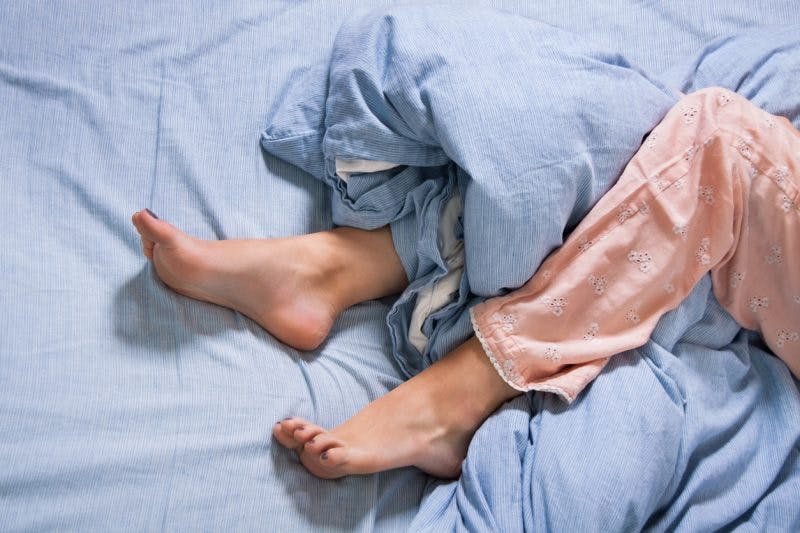
Restless leg syndrome after stroke can be frustrating and exhausting. Many survivors describe an uncomfortable urge to move their legs, especially at night, which can make it difficult to fall asleep or stay asleep. Over time, these sleep disruptions can affect energy levels, mood, and overall quality of life.
Fortunately, there are ways to manage these symptoms. In this article, we’ll explore why restless leg syndrome can occur after stroke, the signs to watch for, and practical treatment strategies that may help you find relief and get better rest.
Let’s jump in!
Table of contents
What is Restless Leg Syndrome?
Restless leg syndrome (RLS), also known as Willis-Ekbom disease, is a neurological condition that causes uncomfortable sensations in the legs paired with an almost irresistible need to move them. Although people with restless leg syndrome after stroke may describe a variety of unusual sensations, the most prominent symptom as the name implies is a powerful and persistent urge to move the legs.
This urge often appears when the body is at rest, particularly in the evening or at night, and movement may temporarily relieve the discomfort.
Because symptoms tend to worsen at night, many individuals experience difficulty falling or staying asleep. Over time, these sleepless nights can lead to secondary challenges such as daytime sleepiness, irritability, and chronic fatigue, which may already be common concerns during stroke recovery.
In many cases, the exact cause of restless leg syndrome after stroke is not fully understood. However, it is worth noting that RLS is relatively common even among the general population. According to the National Institute of Neurological Disorders, approximately 10% of Americans experience RLS at some point in their lives, regardless of whether they have had a stroke.
While RLS can develop at any age, symptoms tend to become more noticeable during middle age or later. Research also shows that women are about twice as likely as men to experience restless leg syndrome.
Though it can occur at any age, RLS is often experienced more severely in middle age or later. Additionally, women are twice more likely than men to have RLS.
What Causes Restless Leg Syndrom Post Stroke
Restless legs syndrome (RLS) is increasingly recognized as a potential complication after stroke. In many patients, symptoms either appear for the first time or significantly worsen in the days to weeks following a stroke.
Several mechanisms may explain this association. Stroke can damage deep brain structures and pathways involved in motor control, sensory processing, and dopaminergic transmission, all of which are implicated in primary RLS.
Certain areas of the brain may play a role in restless leg syndrome after stroke. For example, strokes that affect parts of the brain involved in movement and sensation (such as the basal ganglia, thalamus, or brainstem) may increase the likelihood of developing RLS symptoms.
In some cases, the symptoms may appear on only one side of the body, often affecting the leg opposite the side of the brain where the stroke occurred. This pattern suggests that changes in the brain’s movement and sensory networks after a stroke may trigger restless leg symptoms in people who did not experience them before.
The Basal Ganglia and Restless Leg Syndrome After Stroke
The basal ganglia are a group of structures deep within the brain that help control movement and coordination. When a stroke affects this area, it can disrupt the brain signals that help regulate how your legs move and how they feel at rest.
Because of this disruption, some stroke survivors develop restless leg symptoms, such as uncomfortable sensations and a strong urge to move their legs. These symptoms often appear in the leg on the opposite side of the body from where the stroke occurred. Even small strokes in this region can sometimes lead to noticeable nighttime discomfort.
The Pons and Restless Leg Syndrome After Stroke
The pons is part of the brainstem and plays an important role in movement, sensation, and sleep regulation. A stroke in this area can interfere with the signals that travel between the brain and the body, as well as the systems that help control sleep.
When these signals are disrupted, some people develop symptoms similar to restless leg syndrome. This may include uncomfortable sensations in the legs and an urge to move them, sometimes affecting one or both legs. Because the pons also helps regulate sleep, these symptoms can often appear alongside new sleep difficulties.
The Corona Radiata and Restless Leg Syndrome After Stroke
The corona radiata is a region of the brain made up of bundles of nerve fibers that carry messages between different parts of the brain and the spinal cord. These pathways help coordinate movement and sensation throughout the body.
If a stroke damages this area, the communication between these networks may become disrupted. As a result, some stroke survivors experience new sensations in their legs, such as restlessness, tingling, or discomfort, especially when resting. These symptoms can resemble restless leg syndrome and may develop even if the person never experienced them before the stroke.
Other Causes of Restless Leg Syndrome After Stroke
Restless leg syndrome after stroke share similar risk factors such as smoking, high blood pressure, high cholesterol, diabetes, and obesity. Obesity can cause a disruption in the dopamine pathways in the brain, which can also contribute to RLS symptoms.
Other potential causes of RLS include:
- Sleep deprivation
- Genetic predisposition
- Environmental triggers
- Low levels of iron in the brain
- Medications taken to treat conditions such as allergies
- Nausea
- Depression
- Psychosis
Caffeine or alcohol consumption can also trigger or intensify symptoms. Restless leg syndrome can also result from other health conditions, like peripheral neuropathy, diabetes, or kidney failure. In these cases, treating the primary condition may resolve RLS symptoms.
Symptoms of Restless Leg Syndrome
Restless leg syndrome (RLS) can feel different for each person, but the symptoms tend to follow a similar pattern. Most people experience uncomfortable sensations in their legs along with a strong urge to move them, especially when the body is at rest.
Common symptoms of restless leg syndrome include:
- A strong urge to move the legs, particularly when sitting still or lying in bed
- Unusual or uncomfortable sensations in the legs, such as tingling, crawling, itching, or pulling
- Symptoms that worsen during periods of rest or inactivity
- Symptoms that tend to become more noticeable in the evening or at night
- Temporary relief when the legs are moved, stretched, or walked on
In milder cases, these symptoms may only occur occasionally and might be mistaken for simple restlessness, stress, or anxiety.
However, in more severe cases, restless leg syndrome can interfere with daily life. Activities that require sitting still for long periods such as traveling on a plane, riding in a car, or watching a movie can become uncomfortable or difficult to tolerate. In addition, over time, the nighttime symptoms can also disrupt sleep and contribute to fatigue during the day.
Treatment for Restless Leg Syndrome After a Stroke
The primary focus for treating restless leg syndrome post stroke is on reducing leg discomfort and improving sleep. Mainly because better sleep can make a meaningful difference during stroke recovery by helping survivors maintain energy and participate more fully in therapy and daily activities.
However, because every stroke recovery journey is different, treatment needs to be tailored to the individual’s symptoms, overall health, and rehabilitation needs. Below we will look at some common treatment options for restless leg syndrome post stroke but as always remember to speak with your healthcare professional before making any changes to your treatment plan.
Lifestyle and Daily Habit Changes
For many stroke survivors, treatment begins with simple lifestyle adjustments that can help reduce symptoms. These strategies are often the first step because they are low risk and can be very effective for mild or moderate RLS.
Helpful habits may include:
- Limiting or avoiding caffeine, nicotine, and alcohol
- Keeping a consistent sleep schedule (tips for improving sleep after stroke)
- Getting moderate exercise during the day, as tolerated
- Stretching or gently massaging the legs in the evening
- Taking a warm bath before bedtime
- Using a heating pad or ice pack when symptoms flare
While these changes may seem simple, they can play an important role in easing symptoms and helping you get more restful sleep.
Checking for Low Iron Levels
Low iron levels are a common and treatable cause of restless leg symptoms. Because of this, doctors may check iron levels with a blood test.
If iron levels are low, iron supplements may help reduce symptoms. These may be taken by mouth or, in some cases, given through an IV. For stroke survivors, doctors will consider factors such as swallowing difficulties, digestive tolerance, and other medical conditions when deciding the best option.
Do not begin any sort of supplementation without talking with your doctor.
Medications for Restless Leg Syndrome Post Stroke
If lifestyle changes and iron treatment do not provide enough relief, medication may be recommended. Several types of medications can help calm the nerve signals involved in restless leg syndrome. These may include:
- Gabapentin or pregabalin, which help stabilize nerve activity and are commonly used for nerve-related symptoms.
- Dopamine-related medications, such as pramipexole or rotigotine, which can help regulate movement signals in the brain.
In one study nearly all patients who received dopaminergic treatment (11 out of 13, 91.7%), the symptoms improved significantly or resolved completely.
Some medications may be especially helpful for stroke survivors who also experience nerve pain or unusual sensations in the affected limbs. However, doctors carefully monitor these medications because they can sometimes cause side effects like drowsiness, balance issues, or changes in symptoms over time.
Treatments for Severe Symptoms After Stroke
In rare cases where symptoms are severe and significantly disrupt sleep, other medications may be considered. These may include low-dose opioids or short-term sleep medications. However, because these medications can carry risks such as increased fall risk or breathing problems—they are typically used only when other treatments have not helped.
Ongoing Monitoring for Restless Leg Syndrome After Stroke
Restless leg syndrome can change over time, especially during stroke recovery. Regular follow-ups with a healthcare provider can help ensure symptoms remain well managed and that treatments are adjusted if needed.
With the right combination of strategies, many stroke survivors are able to reduce RLS symptoms, improve their sleep, and feel more comfortable during the recovery process.
Managing Restless Leg Syndrome After Stroke
Restless leg syndrome after stroke can be frustrating, especially when it interferes with sleep and makes it harder to relax at night. However, understanding the condition is an important first step toward finding relief. While the exact cause is not always clear, many stroke survivors are able to reduce their symptoms with the right combination of lifestyle changes, medical guidance, and targeted treatments.
If you believe you may be experiencing restless leg syndrome after stroke, consider speaking with your healthcare provider. Together, you can identify possible triggers and develop a treatment plan that supports better sleep, greater comfort, and continued progress in your recovery.
We hope you enjoyed this article and subscribe to our newsletter for weekly articles just like this delivered straight to your inbox — subscribe here.