
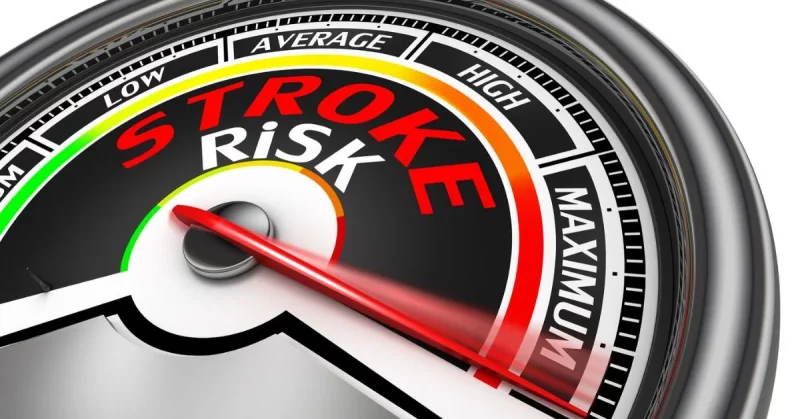
If you’ve made changes to protect your brain and heart, you might be wondering: Is it working?
That’s a very real question. After all, stroke prevention can feel invisible. You take medications and adjust your diet, move more and monitor your numbers. But you cannot physically see your arteries getting healthier.
The good news is this: your body gives you clues. In fact, there are measurable signs that your stroke risk is going down. And understanding those signs can give you confidence, clarity, and motivation to keep going.
In this article, we’ll walk through six encouraging indicators that your stroke risk is truly dropping. We’ll also explain why each one matters and what it means for your long-term brain health.
Let’s dive in.
1. Your Blood Pressure Is Consistently in a Healthy Range
High blood pressure is the single biggest risk factor for stroke. It damages blood vessel walls over time, making them stiff, narrow, or more likely to rupture.
Lowering blood pressure reduces strain on your arteries and significantly decreases both ischemic and hemorrhagic stroke risk.
What “Healthy” Blood Pressure Looks Like
For most adults, a blood pressure reading under 120/80 mmHg is considered normal. However, your provider may give you a personalized goal depending on your age and health history.
More important than a single reading is consistency.
If you’re seeing:
- Lower average readings
- Fewer spikes
- Stable numbers over weeks or months
That’s a strong sign your stroke risk is dropping.
How You Know What is Working
If you’ve:
- Reduced sodium
- Started exercising
- Lost weight
- Taken medication as prescribed
- Managed stress more effectively
- Stopped smoking
And your numbers are improving, that’s not coincidence. That’s progress.
Even a drop of 10 mmHg in systolic blood pressure can result in a reduction of stroke risk by approximately one third. So while lowering blood pressure by 10 mmHg may not sound dramatic, clinically, it’s extremely meaningful.
2. Your Cholesterol Numbers Are Improving
Cholesterol itself isn’t “bad.” However, high levels of LDL (often called “bad cholesterol”) can lead to plaque buildup inside arteries.
Over time, this plaque buildup narrows blood vessels and increases the chance of a blockage traveling to the brain.
Cholesterol Numbers to Watch
Generally speaking:
- LDL cholesterol should be below 100 mg/dL
- HDL (the “good” cholesterol) should be 40 mg/dL or higher
- Triglycerides should be under 150 mg/dL
However, your provider may set stricter goals if you’ve had a previous stroke or heart condition.
Key Signs Your Risk Is Decreasing
If your recent labs show:
- Lower LDL
- Higher HDL
- Reduced triglycerides
That suggests less plaque formation and improved blood vessel health.
Better yet, improvements in cholesterol often reflect healthy lifestyle changes like better nutrition, regular movement, and medication adherence.
3. Your Blood Sugar Is Stable and Controlled
Diabetes and uncontrolled blood sugar damage blood vessels and increase inflammation. Over time, this can raise the likelihood of stroke.
In fact, people with diabetes are about 1.5 to 2 times as likely to have a stroke compared to those without it.
What Improvement Looks Like
Key indicators include to whether blood sugar is stable and controlled include:
- Lower A1C levels (typically under 7 percent for many adults with diabetes, though goals vary)
- More stable daily glucose readings
- Fewer high or low blood sugar episodes
What This Means for Your Brain
When blood sugar stays in a healthy range, your blood vessels experience less stress. That reduces inflammation and plaque buildup.
If you’ve made dietary changes, increased activity, or started medications and your numbers are improving, that’s a powerful sign your stroke risk is declining.
4. You’re Maintaining a Healthy Weight or Losing Excess Weight
Carrying excess weight can contribute to:
- High blood pressure
- High cholesterol
- Insulin resistance
- Inflammation
These all increase stroke risk. However, weight loss does not have to be dramatic to make a difference.
How Much Weight Loss Is Enough?
Losing even 5 to 10 percent of your body weight can have many health benefits, including:
- Improve blood pressure
- Lower LDL cholesterol
- Enhance blood sugar control
That combination significantly reduces stroke risk in addition to improving overall health.
Other Positive Signs
Beyond the scale, you may notice:
- Increased stamina
- Better sleep
- Less joint pain
- Easier movement
These improvements often reflect a healthier cardiovascular system.
5. You’ve Stopped Smoking or Reduced Tobacco Use
Smoking damages blood vessels, thickens blood, and reduces oxygen flow. It significantly raises stroke risk as well as risk of a second stroke.
The encouraging part? Risk begins dropping quickly after quitting.
How Fast Does Stroke Risk Decrease After I Stop Smoking?
Within:
- Weeks, circulation improves.
- Months, lung and heart function get stronger.
- One year, stroke risk drops substantially compared to a current smoker.
Over time, your stroke risk can approach that of someone who never smoked.
Positive Signs
If you’ve:
- Quit entirely
- Reduced frequency
- Used support tools like counseling or nicotine replacement
You are actively lowering your stroke risk.
6. You’re Moving More and Staying Physically Active
Regular physical activity:
- Lowers blood pressure
- Improves cholesterol levels
- Enhances insulin sensitivity
- Supports healthy weight
In other words, exercise tackles multiple stroke risk factors at once.
What Counts as “Enough” Movement?
The general recommendation is about 150 minutes of moderate exercise per week. That could include:
- Brisk walking
- Cycling
- Swimming
- Light strength training
However, any increase in movement is beneficial.
Signs Your Risk Is Decreasing
Several signs you might notice that indicate your risk is decreasing and your body is improving include:
- Lower resting heart rate
- Improved endurance
- Better mood
- More stable blood pressure readings
These are not just fitness milestones. They reflect improved cardiovascular health, which directly lowers stroke risk.
Additional Reassuring Signs That Your Stroke Risk Is Decreasing
Beyond lab numbers and habits, there are subtle indicators your body is responding well:
- Your provider reduces certain medication dosages due to improved control.
- Your inflammatory markers improve.
- Your sleep quality increases.
- You feel more energetic and mentally clear.
While these are indirect, they often signal that multiple systems in your body are functioning more efficiently.
And when your heart and blood vessels are healthier, your brain benefits too.
What If Progress Feels Slow?
It’s completely normal to feel impatient.
Stroke prevention is not an overnight transformation. It’s a long-term process built on consistent, small decisions.
Sometimes improvements are gradual:
- A few points lower on your blood pressure reading.
- A slightly better cholesterol panel.
- A modest weight shift.
- One more day without smoking.
Those changes may seem minor in isolation. But together, they significantly reduce your overall risk.
If you’re unsure whether your efforts are enough, consider speaking with your healthcare provider. They can help track trends over time and adjust your plan as needed.
A Note for Stroke Survivors
If you’ve already experienced a stroke, preventing a second one is critical.
The encouraging reality is this: secondary prevention is highly effective when risk factors are controlled. In fact, managing blood pressure alone can reduce recurrent stroke risk by up to 30 to 40 percent.
So if your numbers are improving, if your habits are healthier, and if you’re actively engaged in your recovery, that is meaningful protection.
Adding Up Your Efforts to Reduce Stroke Risk
Lowering stroke risk is not about perfection. It’s about steady improvement.
If your blood pressure is better controlled, your cholesterol is trending downward, your blood sugar is stable, your weight is improving, you’ve reduced smoking, or you’re moving more consistently, those are real signs your stroke risk is dropping.
Even better, many of these changes protect your heart, improve your energy, and support long-term brain health.
If you’ve been putting in the effort, take a moment to acknowledge that. Prevention can feel quiet and invisible, but it is powerful.
And if you’re just getting started, remember that small steps truly matter. Your brain is worth protecting, and every positive change moves you in the right direction.
We hope you enjoyed this article and subscribe to our newsletter for weekly articles just like this delivered straight to your inbox — subscribe here.