
Breaking through post-stroke fatigue: practical strategies to overcome fatigue after stroke
Fatigue after stroke can feel overwhelming, unpredictable, and difficult for others to understand. Learn why it happens and practical ways to reduce its impact on your daily life.
Rachel is a neuro physical therapist and certified brain injury specialist on the Flint Rehab clinical team. She works with survivors on building home routines that hold up long after formal therapy has stopped.
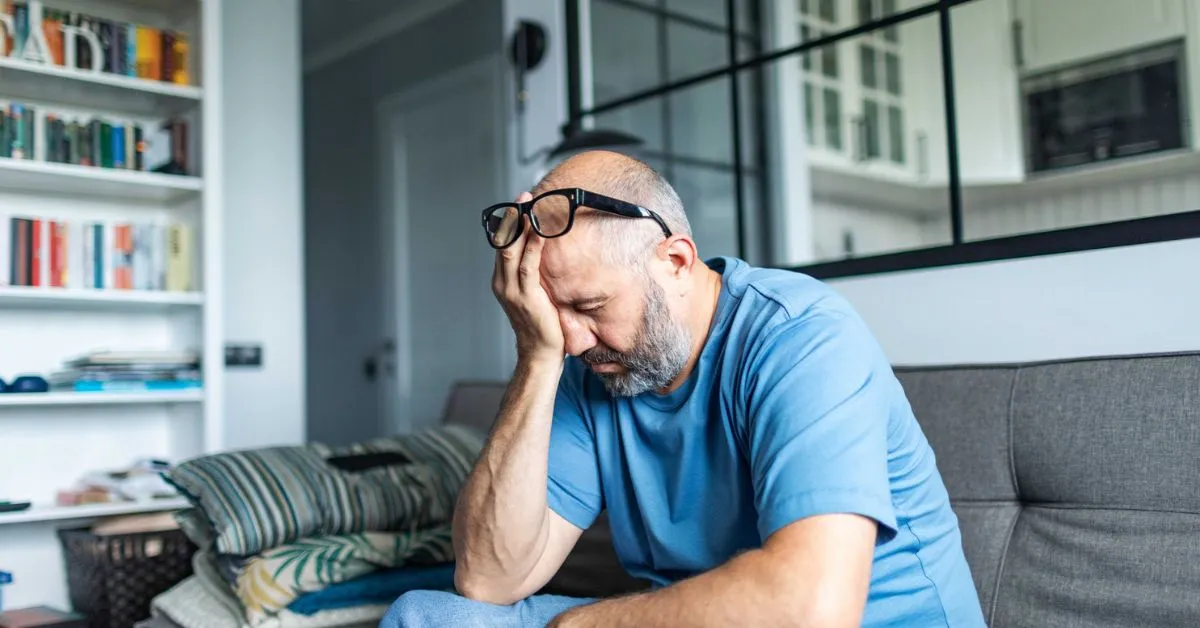
When you’re tired in a way that rest doesn’t fix.
Fatigue after stroke can feel overwhelming, unpredictable, and difficult for others to understand. It may affect your physical energy, concentration, ability to tolerate busy environments, and participation in everyday activities.
Join neuro physical therapist Rachel Higdon, PT, DPT, for a free educational webinar exploring why post-stroke fatigue happens and practical strategies that can help you build your capacity, conserve energy, and reduce fatigue’s impact on your daily life.
The webinar concludes with Rachel, a licensed neuro therapist, answering live questions from attendees.
What you'll learn
- 1Why fatigue can persist after stroke
- 2How physical, cognitive, and sensory fatigue may feel different
- 3How to identify activities and environments that drain your energy
- 4Why sleep, medication, pain, mood, and other treatable factors matter
- 5How to gradually increase activity without repeatedly exhausting yourself
- 6How to use pacing, planning, prioritizing, and positioning to make daily tasks more manageable
- 7Ways to support sleep and maintain more consistent energy
- 8When fatigue should be discussed with your healthcare provider
Who this session is for
Whether you are recovering from a stroke yourself or supporting a loved one, you’ll leave with a better understanding of post stroke fatigue and the impact it can have after stroke.
Keep Learning