
Traumatic Brain Injury Recovery: Guides, Exercises & Support for Survivors and Caregivers
Free resources and eBooks, therapist-written articles, and tools for every stage of TBI recovery all in one place. Start wherever you are today and if you have questions send us an email at [email protected]
TBI recovery is possible, and it can continue for years
A traumatic brain injury (TBI) happens when a blow, jolt, or penetrating injury to the head disrupts how the brain works. Falls, car accidents, sports, and assaults are common causes. Doctors usually describe a TBI as mild (including concussion), moderate, or severe, based on things like loss of consciousness and memory loss right after the injury.
Because a TBI can affect many areas of the brain at once, no two recoveries look the same. One person may struggle with memory and focus, another with balance or speech, and another with mood, fatigue, or sensitivity to light and noise. Many of these effects are invisible to other people.
The brain can adapt. Through neuroplasticity, healthy areas of the brain can learn to take over functions that were affected. That rewiring is driven by repetition: practicing a skill again and again, whether it's a movement, a memory strategy, or a conversation, tells the brain it matters.
Progress is often fastest in the first months, then slows. But it doesn't stop. Many survivors keep making meaningful gains years after their injury, especially when they keep practicing at home between therapy sessions. This page brings together everything we've written to help you along the way.
Recommended readingCan the brain heal itself? Neuroplasticity after brain injuryFree TBI recovery eBooks to download and print
Step-by-step exercise guides and practical advice for brain injury survivors and the people who care for them. Every eBook is free.
Getting started & movement
Practical tips for the road ahead and illustrated exercise guides you can print and keep nearby. Each one starts with gentle options and builds up as you get stronger.
Thinking, speech & communication
Activities for memory, attention, and language, plus a guide for families on communicating with a loved one who has trouble speaking.
TBI recovery tools for rehab at home
Recovery takes repetition. Our FDA-listed devices and programs make home practice engaging enough to keep doing — used in 400+ rehab hospitals.
After a brain injury, the skills you're rebuilding might be physical, cognitive, or both. Either way, progress depends on practicing them often. That's hard to keep up with a sheet of exercises and no feedback, especially when fatigue and focus are part of what you're working on.
Our tools break practice into short, guided sessions that track your progress, so you can work at your own pace. They're designed to work alongside your therapist, not replace them. If you're not sure which fits, call (800) 593-5468 and talk it through with a real person, Mon–Fri.

1-on-1 Remote Neuro Recovery Program
A licensed neuro therapist builds a home program around your goals, checks in with you live each month, and shares resources matched to your needs.
Get 1-on-1 recovery guidance without leaving homeOngoing support between and after clinic visits.See the program →
CT Speech & Cognitive App
Speech and cognitive therapy designed by speech-language pathologists. Exercises adjust to your level as you improve, for memory, attention, problem-solving, and language.
500,000+ evidence-based exercises across 90 therapy areasFor TBI, stroke, aphasia, apraxia, and other neurological conditions.Explore the CT app →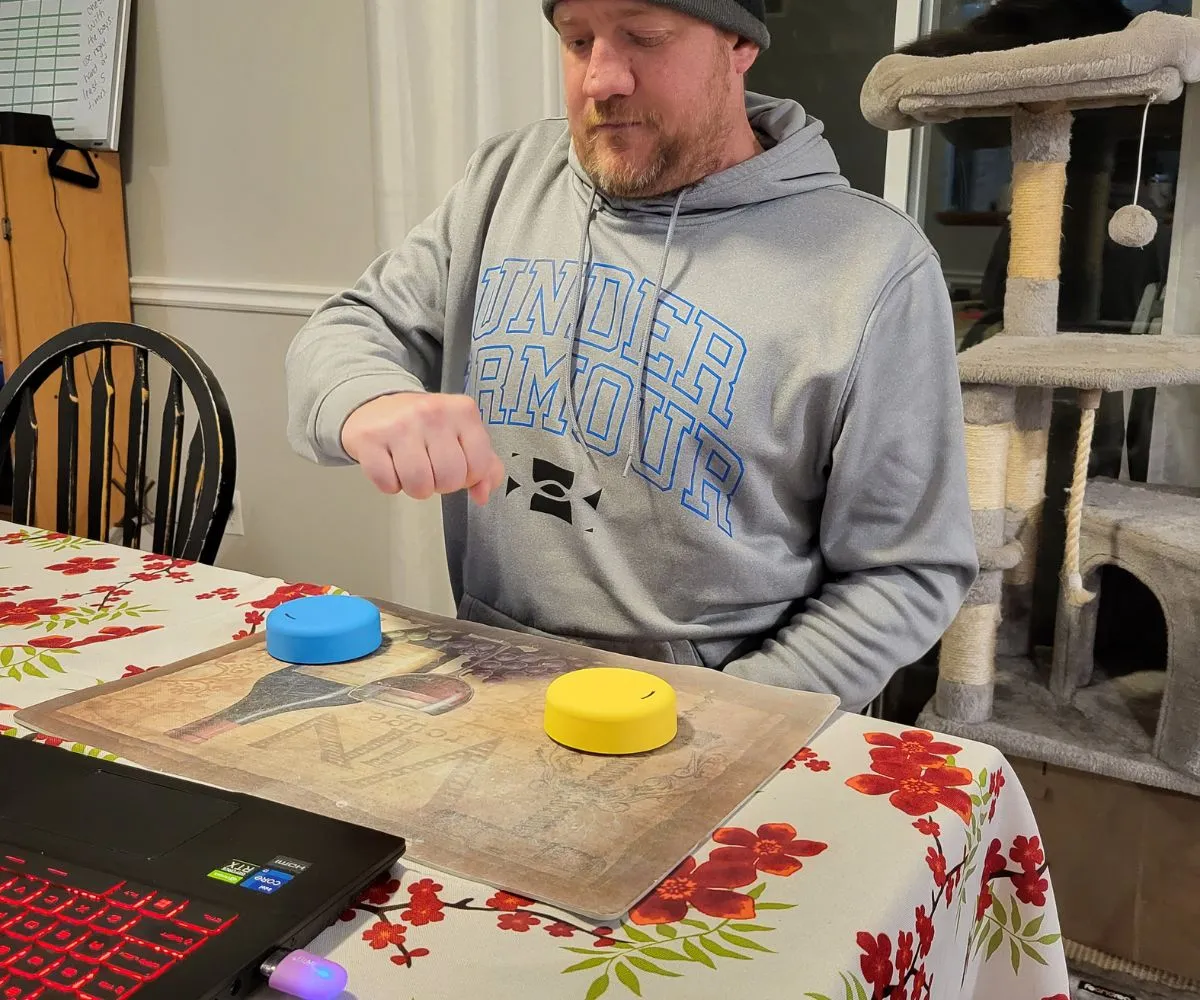
FitMi
Two touch-sensitive pucks and a guided exercise app for your hands, arms, core, and legs. It tracks every repetition and adjusts as you improve.
Nearly 3× faster recovery than traditional therapy aloneGreat for stroke, traumatic brain injury, and other neurological based conditions.Explore FitMi →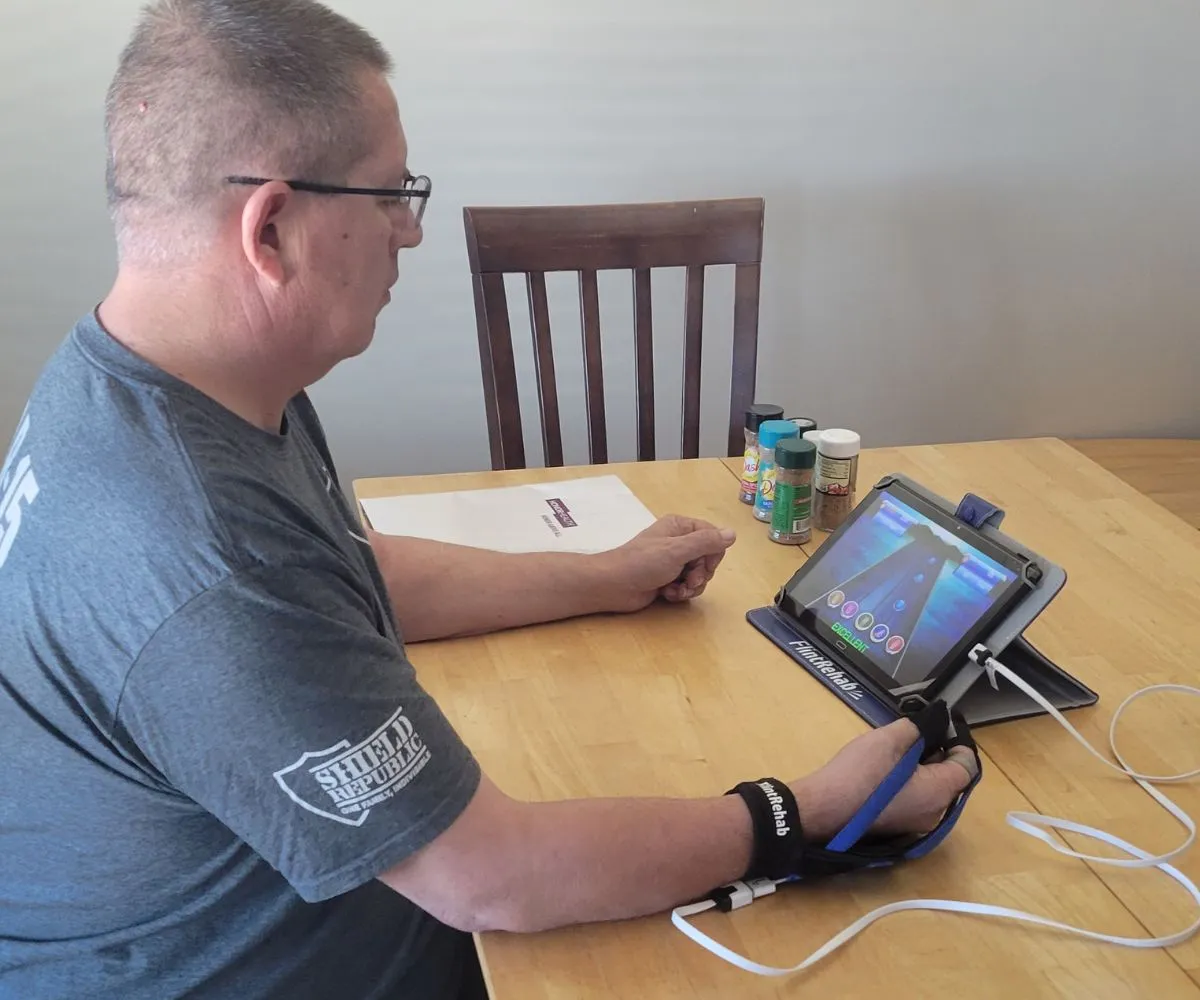
MusicGlove
A hand-therapy glove you play like a music game. Each note prompts a grip or pinch, so you practice hundreds of hand movements per session.
Increase hand function in under 2 weeksGreat for stroke, traumatic brain injury, and other neurological based conditions.Explore MusicGlove →TBI recovery articles: symptoms, exercises & daily life
Plain-English guides from our therapists, organized by what you're working on.
TBI symptoms & challenges
Every brain injury is different, and many of its effects are hard for other people to see. Find the challenge you're living with below. Each guide explains what's happening in the brain, what usually helps, and when to talk to your care team.
Memory and thinking after TBI
Memory, attention, and planning are among the most common challenges. Like movement, these skills improve with regular practice.
Emotional and behavior changes after TBI
Mood swings, irritability, and depression are common and treatable. They're a result of the injury, not a personal failing.
Speech and swallowing after TBI
A TBI can affect finding words, following conversations, or speaking clearly. Swallowing problems should be checked early.
Movement and paralysis after TBI
Weakness, stiffness, or paralysis can affect one or both sides of the body. Repetitive practice helps the brain rebuild control.
Walking, balance and dizziness after TBI
Dizziness and balance problems are common, even after a mild injury. Targeted therapy can help you move with confidence.
Vision and sensory changes after TBI
Blurred vision, light sensitivity, ringing ears, and feeling overwhelmed by noise or crowds are all common after a TBI.
Headaches and other physical effects
Headaches, numbness, tremors, and seizures can follow a TBI. Knowing the cause helps you and your doctor choose the right treatment.
Fatigue and sleep after TBI
Brain injury fatigue is real and often underestimated. Pacing your day and improving sleep help you get more from rehab.
Concussion and mild TBI
“Mild” describes the injury, not always the symptoms. Most people recover within weeks, but some need more time and support.
TBI exercises to do at home
Full-body & cognitive TBI exercises →What you do between therapy sessions matters as much as the sessions themselves. A short daily routine, done consistently, gives your brain the repetition it needs to rebuild connections. After a TBI, that routine can include physical exercises as well as cognitive and speech activities.
Fatigue is common, so shorter sessions spread through the day often work better than one long one. Start with exercises that feel slightly challenging but safe. Check with your therapist before starting something new, and stop if symptoms like headache or dizziness get worse.
- Home exercise program for TBI
- Neuroplasticity exercises for brain injury
- Cognitive rehabilitation exercises
- Cognitive activities for adults
- Speech therapy activities for TBI
- Occupational therapy activities for TBI
- Physical therapy interventions for TBI
- Balance exercises for brain injury
- Eye exercises for concussion
- Yoga poses for brain injury
- Therapeutic activities for brain injury
- Games for brain injury patients
Life after brain injury
What to expect and how to cope →Recovery isn't only about symptoms. It's also about getting back to work, driving, relationships, and the things that make you feel like yourself. These guides help survivors and families plan those steps.
Danger signs after a head injury
After a blow or jolt to the head, some symptoms appear right away and others show up hours or days later. Call 911 or go to the emergency room if you notice any of these.
A headache that gets worse over time or won't go away.
Vomiting more than once, or nausea that keeps coming back.
Unusual drowsiness, or they can’t be woken up. Any loss of consciousness.
Convulsions or shaking, even if they stop on their own.
One pupil is larger than the other.
Slurred speech, weakness or numbness, or poor coordination.
Increasing confusion, restlessness, agitation, or not recognizing people or places.
Clear fluid or blood draining from the nose or ears.
Children, older adults, and anyone on blood thinners should be checked by a doctor after any significant head injury, even if they seem fine.
In the first 24 hours
Have someone stay with the person and watch for changes. Avoid alcohol, driving, and sports. Rest, but you don't need to stay awake all night unless a doctor tells you to. If symptoms get worse at any point, seek care right away.
If symptoms linger after a concussion
Most people with a mild TBI feel better within a few weeks. If headaches, dizziness, brain fog, or mood changes last longer, talk to your doctor. Lasting symptoms are common, treatable, and worth taking seriously.
Common questions about TBI recovery
How long does TBI recovery take?
It depends on the severity and location of the injury. Most people with a mild TBI recover within weeks to months. Moderate and severe injuries take longer, and many survivors keep improving for years. See the TBI recovery timeline →
Can the brain heal after a traumatic brain injury?
Damaged brain cells don't grow back, but through neuroplasticity, healthy areas of the brain can take over lost functions. Repetition drives that rewiring. How the brain repairs itself after injury →
Can someone fully recover from a TBI?
Some people regain most or all function, especially after a mild TBI. Outcomes vary widely, and consistent rehab improves the odds of a better recovery. Can TBI patients fully recover? →
Is a traumatic brain injury permanent?
Some effects can be long-lasting, but that doesn't mean they can't improve. Many people learn new ways to manage and reduce symptoms over time. Is traumatic brain injury permanent? →
Can a brain injury get worse over time?
Most people improve, but some symptoms can appear later or come back under stress, poor sleep, or illness. Talk to your doctor about any new or worsening symptoms. Can a TBI get worse over time? →
Can I do TBI rehab at home?
Yes. Home practice between therapy sessions is one of the biggest drivers of progress, for both physical and cognitive skills. Build a home exercise program for TBI →
How can I support someone with a brain injury?
Be patient, keep conversations simple and calm, and learn about their specific challenges. Look after your own health, too. How to talk to a person with brain injury →
Questions about brain injury recovery? We're here to help.
Whether you're figuring out where to start, choosing a device, or supporting a loved one, you can talk to a real person on our team, Monday through Friday.
Brain injury recovery advice from licensed therapists, every Tuesday morning
Join more than 150,000 survivors, caregivers, and clinicians who get practical exercises, plain-English research, and free resources in one short email a week.