
Caregiver Resources: Support for Families Caring for a Loved One
Practical guides, free eBooks, and tools to help you support recovery at home, and look after yourself along the way. If you have questions send us an email at [email protected]
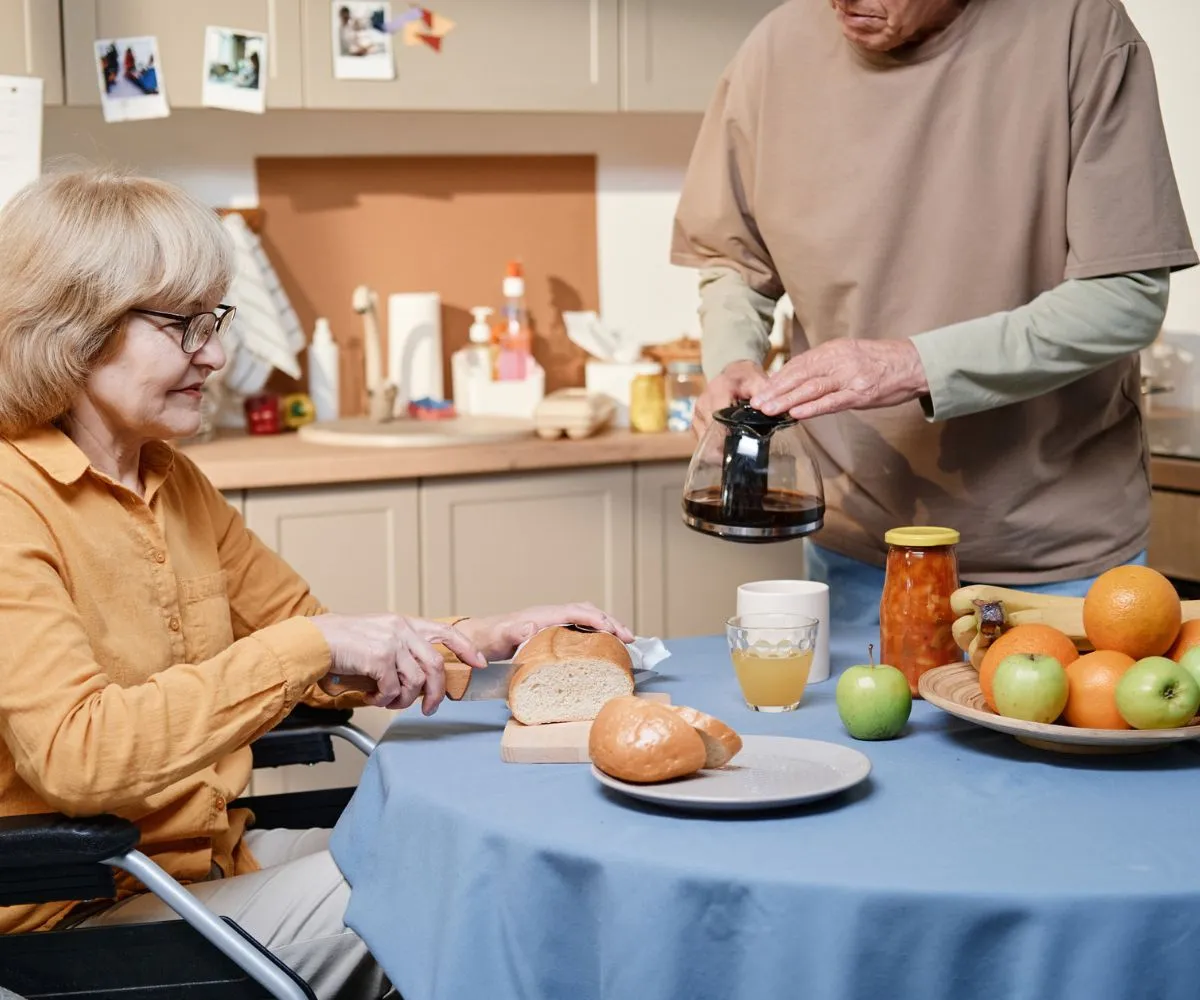
You're part of the recovery team
When someone you love has a stroke, TBI, or another neurological condition you may suddenly find yourself managing medications, appointments, home exercises, and changes in mood or personality, often with very little preparation. It's a lot. Most caregivers say the hardest part is not knowing what to expect.
Recovery happens through repetition, and most of that repetition happens at home, between therapy sessions. That makes you one of the most important people in your loved one's recovery. Your encouragement helps them practice more often, notice small wins, and keep going when progress slows.
You don't have to do it perfectly, and you don't have to do it alone. This page brings together our guides for caregivers, plus resources for the specific condition your loved one is recovering from.
Recommended readingHow to support home practice as a caregiverFree caregiver eBooks to download and print
Practical guides for the day-to-day, plus exercise guides you can work through together. Every eBook is free.
For caregivers
- The Stroke Caregiver's Survival GuideWhat to expect in the first months and how to manage the day-to-day.Get eBook →
- 50 Questions Every Stroke Caregiver Should AskBring it to appointments so nothing important gets missed.Get eBook →
- Strategies to Communicate With a Loved One That Has Difficulty SpeakingHelpful after stroke or brain injury.Get eBook →
Exercise guides to use together
Illustrated, step-by-step routines you can print and work through with your loved one.
- 20 Therapist Approved Stroke Rehab Exercises for HomeGet eBook →
- Full Body Exercises for Brain Injury PatientsGet eBook →
- 35 Hand Rehab Exercises for Stroke PatientsGet eBook →
- 30 Cognitive Exercises You Can Do At HomeGet eBook →
- 15 Effective Speech Therapy Exercises for HomeGet eBook →
- 24 Exercises to Help You Regain Your BalanceGet eBook →
Caregiver guides for every part of the day
Plain-English advice from our therapists, organized by what you're dealing with right now.
Caring for someone at home
The move home brings new routines and safety questions. Start with the basics and adjust as you learn what works.
Helping with home exercises
Your encouragement helps your loved one practice more. A little structure goes a long way.
Communicating with your loved one
When speech or understanding is affected, small changes in how you talk can ease frustration on both sides.
Understanding changes in your loved one
Mood, personality, and behavior can change after a brain injury. Knowing why can make it easier not to take it personally.
Practical help and gift ideas
The right equipment or a thoughtful gift can make daily life easier and support recovery at the same time.
Your health matters, too
Caregiving can be exhausting, especially in the first months. Many caregivers put their own sleep, health, and relationships on hold without noticing. Over time, that can lead to burnout, which makes it harder to help anyone.
Taking breaks, asking for help, and talking to people who understand aren't luxuries. They're part of keeping the whole family's recovery on track.
Signs you may be heading toward burnout
- You feel tired most of the time, even after sleeping
- You’ve stopped doing things you used to enjoy
- You feel irritable, resentful, or numb
- You’re getting sick more often or skipping your own appointments
- You feel like no one else can help
Caregiver support programs and services
Trusted national organizations that can help with costs, services, and time for yourself. These links open on other websites.
Financial & community assistance
Find programs that may help with costs, services, and day-to-day needs.
Respite care & preventing burnout
Find temporary care options and support for your own well-being.
Know when to call 911
Caregivers are often the first to notice something is wrong. Survivors of a stroke or brain injury have a higher risk of another one, so keep these warning signs handy.
Tools that make home practice easier to support
Our FDA-listed devices and programs guide each session and track progress, so you don't have to be the coach every day. Used in 400+ rehab hospitals.
Many caregivers end up printing exercise sheets, counting reps, and trying to keep their loved one motivated, all on top of everything else. It's hard to keep up, and it can strain the relationship when you're always the one asking for "just one more set."
Our tools take over the prompting and tracking, so you can step back and encourage. They're designed to work alongside your loved one's therapist, not replace them. If you're not sure which fits, call (800) 593-5468 and talk it through with a real person, Mon–Fri.

1-on-1 Remote Neuro Recovery Program
A licensed neuro therapist builds a home program around your loved one’s goals, checks in live each month, and answers your questions along the way.
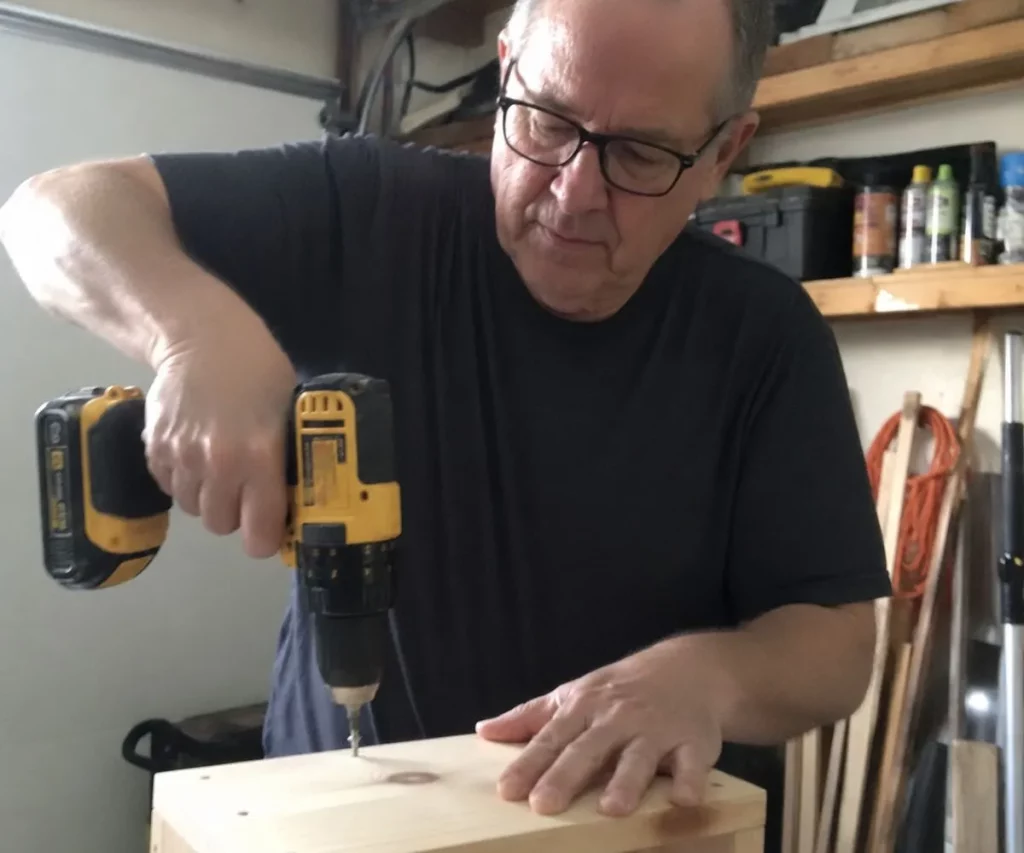
Get 1-on-1 recovery guidance without leaving homeCaregivers are welcome to join every session.See the program →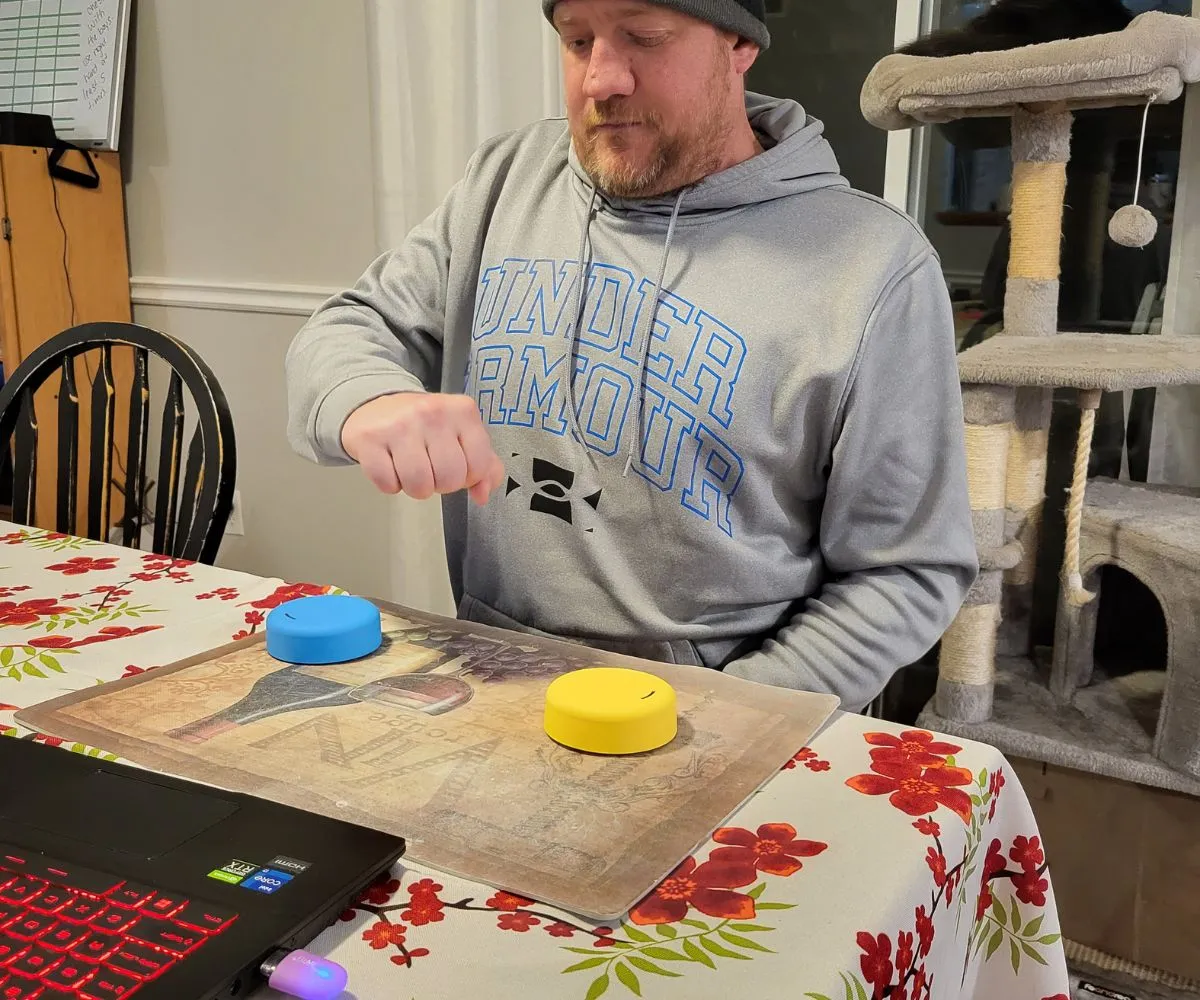
FitMi
Two touch-sensitive pucks and a guided exercise app for hands, arms, core, and legs. It prompts every repetition and adjusts as your loved one improves.
Nearly 3× faster recovery than traditional therapy aloneGreat for stroke, traumatic brain injury, and other neurological based conditions.Explore FitMi →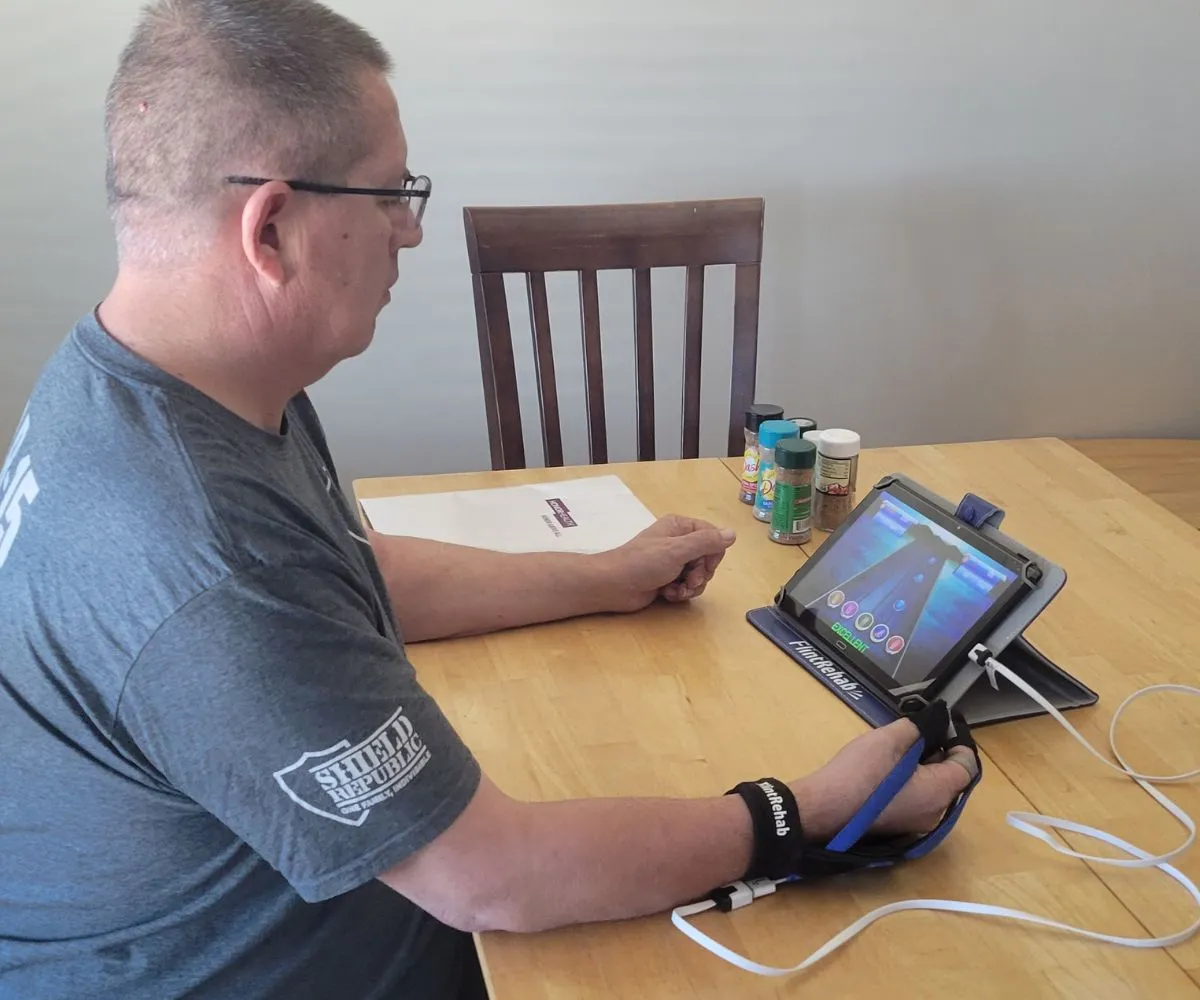
MusicGlove
A hand-therapy glove played like a music game. Each note prompts a grip or pinch, so your loved one practices hundreds of hand movements per session.
Increase hand function in under 2 weeksGreat for stroke, traumatic brain injury, and other neurological based conditions.Explore MusicGlove →
CT Speech & Cognitive App
Speech and cognitive therapy designed by speech-language pathologists. Exercises adjust to your loved one’s level, so you don’t have to plan each session.
500,000+ evidence-based exercises across 90 therapy areasFor stroke, TBI, aphasia, apraxia, and other neurological conditions.Explore the CT app →Common questions from caregivers
How can I help my loved one after a stroke?
Encourage independence, learn about their specific challenges, and help them stick with home practice. Celebrate small wins along the way. How to help someone who had a stroke →
How do I support someone with a brain injury?
Be patient, keep routines predictable, and learn how the injury affects memory, mood, and behavior. It helps to remember that many changes are a result of the injury. Tips for caring for someone with brain injury →
How do I talk to someone who has trouble speaking?
Speak slowly in short sentences, give them time to respond, and use yes-or-no questions, gestures, or pictures when words are hard. How to talk to someone with aphasia →
Should I help with their exercises?
Yes, with guidance from their therapist. Your role is mostly encouragement and consistency, not doing the exercise for them. Supporting home practice as a caregiver →
How do I avoid caregiver burnout?
Schedule regular breaks, accept help when it's offered, keep up with your own health, and connect with other caregivers. How to prevent caregiver burnout →
Where can I find other caregivers to talk to?
Hospitals, local nonprofits, and online communities all run caregiver support groups, many of them free. Finding a caregiver support group →
Have a question about caring for a loved one? We're here to help.
Whether you're figuring out where to start, choosing a device, or just need someone to talk it through with, you can reach a real person on our team, Monday through Friday.