


If you’re living with a spinal cord injury, you’ve probably explored different ways to feel better both physically and emotionally. While traditional rehabilitation remains essential, many individuals also look for complementary options that can support relaxation, sleep, mood, and overall well-being.
That’s where essential oils may come in.
Essential oils and aromatherapy for spinal cord injury use concentrated plant extracts to promote both physiological and psychological balance. When used safely, certain essential oils may help ease tension, reduce stress, improve sleep quality, and create a calming environment that supports recovery.
In this article, we’ll explore 7 essential oils that may be especially helpful for individuals with spinal cord injuries. In addition, we will take a look at how they work plus what you might want to consider before using them.
Let’s dive in!
Table of contents
7 Essential Oils for Spinal Cord Injury
After a spinal cord injury, managing symptoms like pain, anxiety, and sleep disruption can become part of daily life. While medications are often necessary, some individuals look for complementary options that feel gentler and more natural.
Essential oils can be inhaled to stimulate your sense of smell or applied onto the skin to be absorbed into the body (although some will need to be diluted first). They can provide immediate relief and have minimal side effects when used at the correct dosage.
Let’s take a look at 7 of the best essential oils for spinal cord injury patients that can help boost recovery!
1. Jasmine

Life after a spinal cord injury can involve a lot of changes, which can be overwhelming and cause feelings of depression.
Jasmine oil is a natural stimulant that may help ease symptoms of depression by increasing alertness and promoting a sense of emotional uplift.
In fact, jasmine is often used in aromatherapy to help reduce feelings of hopelessness and fatigue. Its rich, floral scent can gently stimulate the nervous system, which may help counter emotional heaviness and mental fog.
You can try diffusing jasmine oil during your morning routine or adding a diluted form to a warm bath in the evening to create a calming yet uplifting environment. While it is not a substitute for professional mental health care, it may serve as a supportive tool alongside counseling, medication, or other therapies recommended by your healthcare provider.
2. Lavender

Another possible psychological effect of spinal cord injury is the development of anxiety and heightened stress levels.
Lavender oil has sedative effects, meaning that it can help promote relaxation, decrease anxiety, and induce sleep. In addition, it can help encourage new cell growth, which is ideal for recovery after a traumatic event like spinal cord injury.
3. Rosemary

Respiratory complications are one of the most serious concerns after a spinal cord injury, particularly for individuals with higher-level injuries that affect breathing muscles. Maintaining respiratory health often becomes an ongoing priority in recovery.
Rosemary oil is sometimes used in aromatherapy to help support respiratory function. Its natural antiseptic and anti-inflammatory properties may help clear congestion and promote easier breathing when diffused. The fresh, herbaceous scent can also feel energizing, which may be helpful for individuals experiencing fatigue.
Beyond respiratory support, rosemary oil is also commonly used to:
- alleviate pain
- relieve indigestion
- regulate blood pressure
- promote circulation
- maintain bone health
As with any essential oil, rosemary should be used cautiously and in appropriate dilutions. It can be a supportive addition to your environment, but it is not a substitute for respiratory therapy, prescribed medications, or medical care.
4. Ylang-Ylang
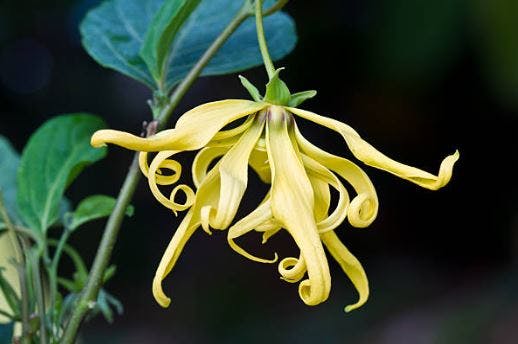
Ylang-Ylang oil has a calming effect that is ideal for stress-relief.
After a spinal cord injury, the connection between your brain and body gets disrupted, so a lot of functions below your level of injury don’t work properly. SCI patients with autonomic dysreflexia may experience hypertension (high blood pressure) when they encounter a noxious stimulus below their level of injury.
Ylang-ylang helps relieve involuntary muscle contractions and can significantly decrease blood pressure. Due to its effect on muscles, it may also help to decrease spasticity.
5. Chamomile

Sleep can become a real challenge after a spinal cord injury. Ongoing pain, muscle spasms, anxiety, and changes in routine often make it difficult to fall and stay asleep asleep through the night.
Chamomile oil is widely known for its calming, gentle sedative properties. Unlike medications that may leave you feeling groggy the next morning, chamomile is often used in aromatherapy to promote relaxation without heavy after-effects. Its soft, herbal scent can help signal to your nervous system that it’s time to wind down.
Some research also suggests that chamomile may help inhibit the synthesis of pain-producing chemicals called prostaglandins. While it is not a replacement for prescribed pain management, reducing tension and inflammation may indirectly support more restful sleep.
You might consider diffusing chamomile oil before bed or adding a diluted form to a warm evening bath to create a calming nighttime routine. Over time, pairing consistent habits with a soothing environment can make falling asleep feel more natural again.
6. Eucalyptus

Eucalyptus oil may be especially helpful for individuals with spinal cord injuries who struggle with congestion or respiratory discomfort. Known for its antiseptic, antioxidant, and antiviral properties, it’s commonly used in vapor rubs because it can act as a natural cough suppressant and help open the airways.
In addition to supporting clearer breathing, eucalyptus is often used to encourage circulation and ease muscle or joint discomfort. When used safely, it may help you feel more comfortable and better able to stay active during recovery.
7. Peppermint

Lots of cervical spinal cord injury patients will have difficulties producing an effective cough because the C3-C5 spinal cord segments innervate the diaphragm.
Peppermint oil is a natural decongestant and will help thin the consistency of mucus so that it is easier to cough out. It’s also the only essential oil to be licensed for medicinal use, primarily for digestive problems.
Menthol is a chemical found in peppermint oil known for reducing pain, and because peppermint oil is stimulatory, it can energize and promote better functional performance.
Using Essential Oils for Spinal Cord Injury
Essential oils are not a cure for spinal cord injury, and results can vary from person to person. For example, some individuals find meaningful relief while others might notice only subtle changes.
The good news is that, when used safely and appropriately, essential oils are generally affordable and carry minimal risk making them a popular complementary therapy to traditional recovery. And for some people, they can become a simple way to ease stress, support sleep, manage mild discomfort, or create a more calming recovery environment.
So if you’re curious, consider introducing one oil at a time and paying attention to how your body responds. As always, remember to talk with your healthcare provider before adding anything new to your routine.
We hope you enjoyed this article and subscribe to our newsletter for weekly articles just like this delivered straight to your inbox — subscribe here.