








Understanding Chronic Stroke: What It Means & How to Recover
Generally speaking, “chronic stroke” refers to the period of recovery that takes place at least six months after the initial stroke occurred. When a survivor ...
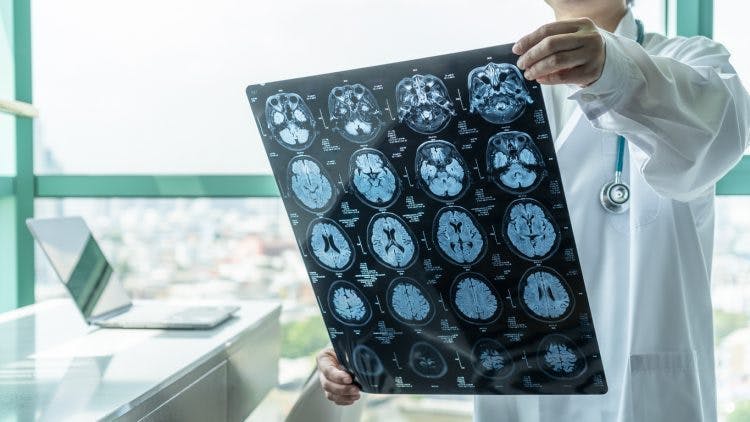
Focal Brain Injury: Understanding the Causes, Symptoms, & Treatments
Traumatic brain injury is generally classified into two categories: focal and diffuse. A diffuse brain injury affects multiple areas of the brain, whereas a focal brain injury ...
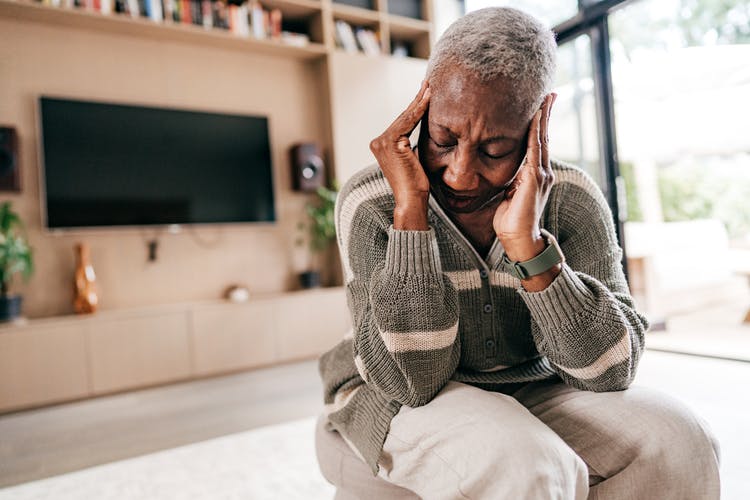
Headaches After Brain Injury: Types, Causes, and Treatments
Headaches after brain injury, also known as post-traumatic headaches, are one of the most frequently experienced effects of brain injury. While all traumatic brain injury ...
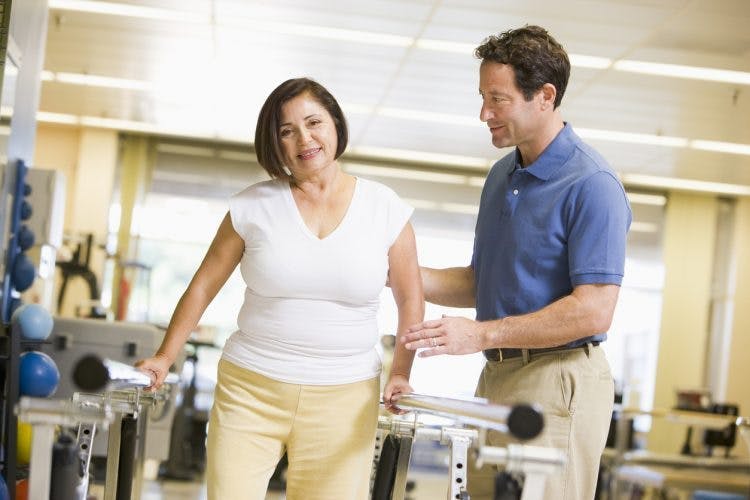
Physical Therapy for Paraplegia: Understanding Goals & Exercise Methods
Physical therapy plays an essential role in paraplegia rehabilitation after spinal cord injury. Every spinal cord injury is unique, so the personalized recovery plan that a physical ...
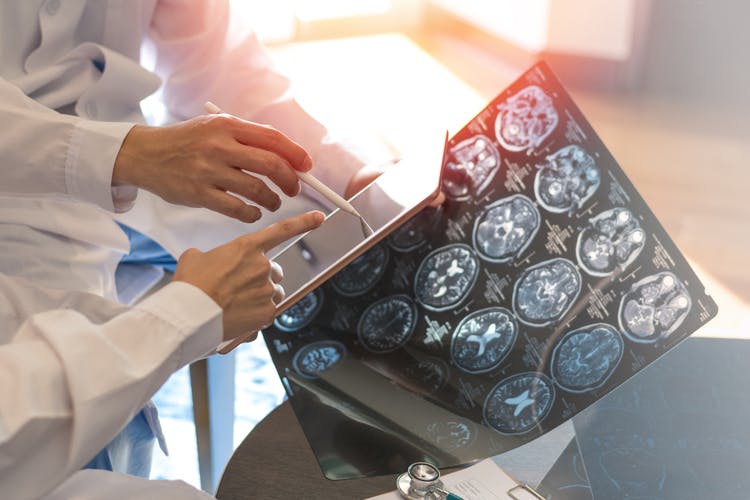
Mixed Transcortical Aphasia: Causes, Symptoms, and Treatment
Mixed transcortical aphasia is a severe form of aphasia that causes an inability to speak or understand others. It is similar to global aphasia in that it ...
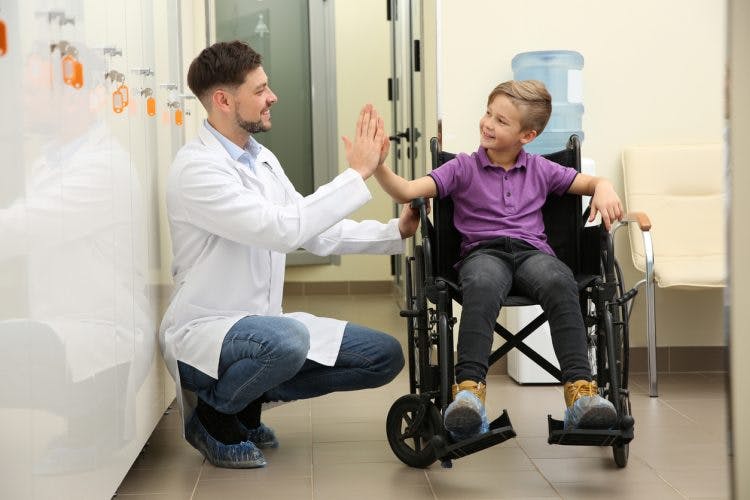
Cerebral Palsy and Osteoporosis: Why Bone Density Can Decrease & How to Maintain It
Individuals with cerebral palsy are more likely to develop osteoporosis than those without CP. Osteoporosis is a condition characterized by weak, porous bones. This article ...
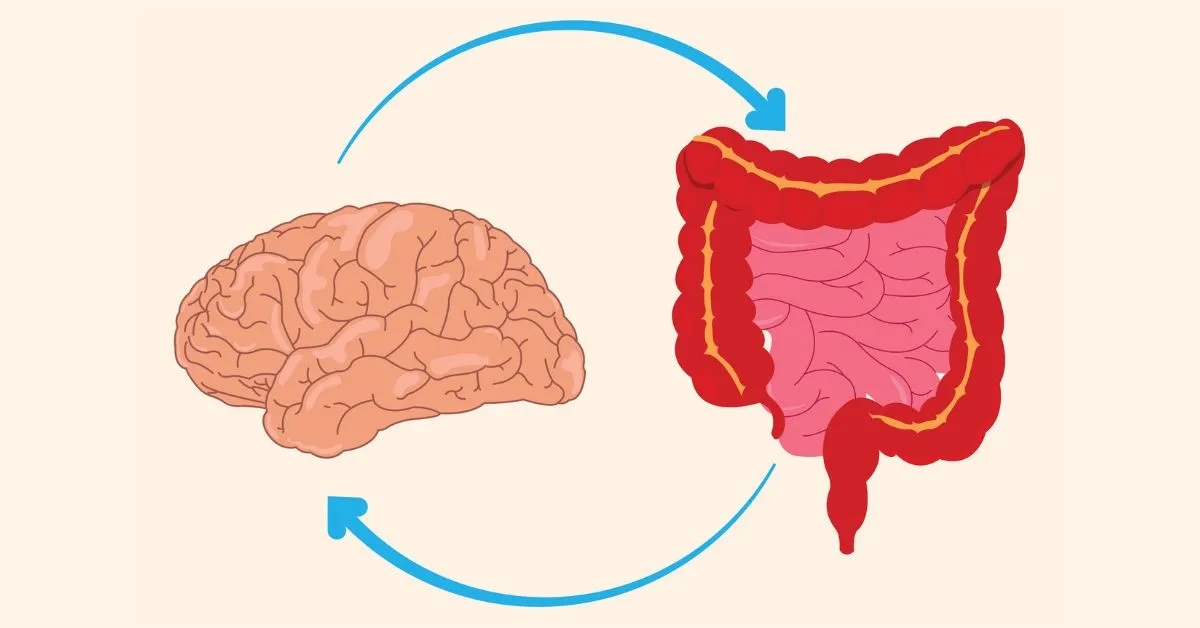
Brain Injury and Gut Health: Looking at the Gut-Brain Axis and How The Connection Can Impact TBI Recovery
When recovering from a brain injury, it’s natural to focus on the obvious: regaining movement, speech, memory, and independence. But one part of the body ...
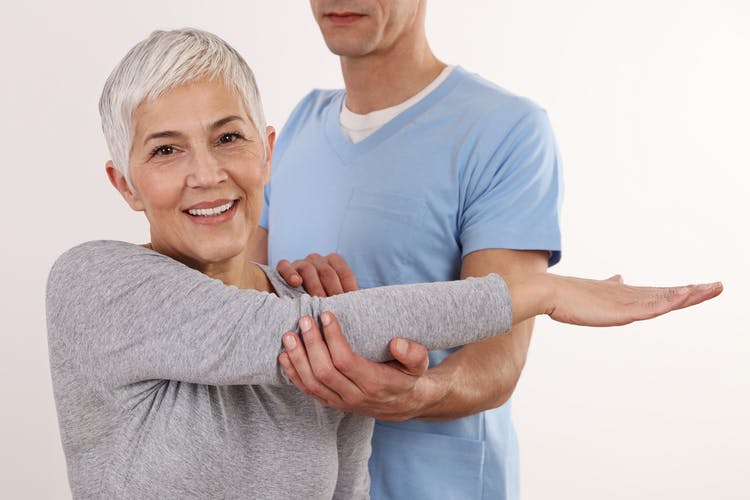
Post Stroke Symptoms Getting Worse? How to Get Back on Track
Are your post stroke symptoms getting worse? Sometimes regression after stroke is a normal part of the recovery process, but it can also be a sign ...
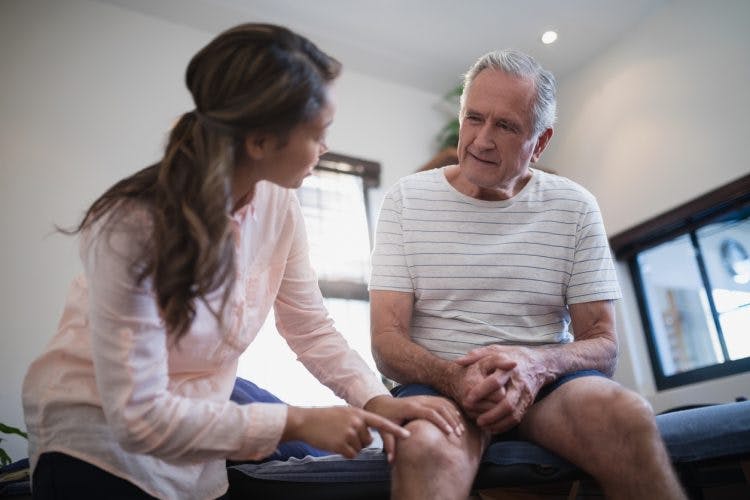
Understanding Lower Limb Stroke Rehabilitation: Methods and Exercises
Many survivors of stroke experience difficulty with walking, standing, and other functional activities. For example, one study found that 46% of survivors were unable to ...

Why Repetitive Task Training Is So Important to Stroke Rehab (and 8 Tips to Stay Consistent)
Recovering after a stroke takes time, patience, and a lot of practice. Every movement from lifting a fork to tying a shoe helps your brain ...

Cerebral Palsy and Feeding Difficulties: Causes, Risks, and Management
Many individuals with cerebral palsy experience feeding difficulties due to motor impairments that affect the muscles necessary to chew and swallow (oromotor dysfunction). Chewing and ...

Anomic Aphasia: Understanding the Causes, Types, & Rehabilitation Process
Anomic aphasia is a language disorder that causes difficulty with word-finding or naming items. This condition, also known as dysnomia, can occur after a stroke, ...
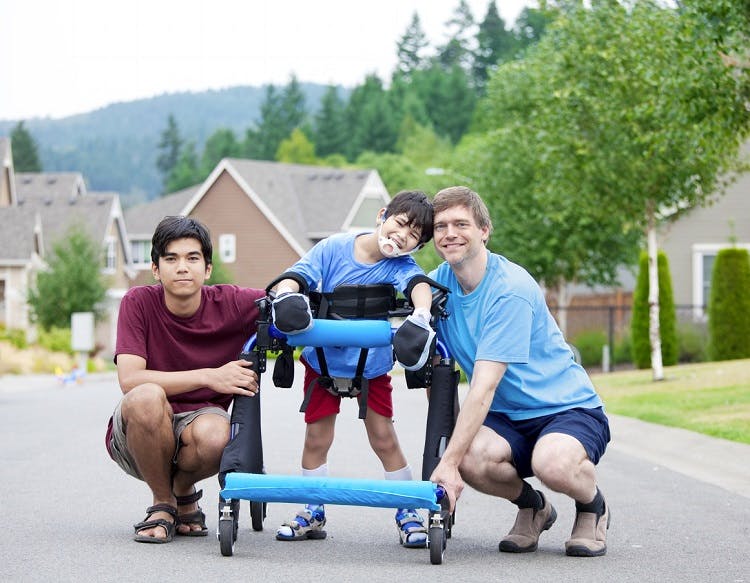
Crouch Gait and Cerebral Palsy: What It Looks Like & How to Treat It
Crouch gait refers to an abnormal walking pattern commonly observed in individuals with cerebral palsy. While it can be worrisome when your child starts to ...

When Stroke Affects Speech: How to Overcome Aphasia, Dysarthria, or Apraxia of Speech
Over half of all stroke survivors experience a stroke affecting speech. When a stroke affects speech or language, it can impact the ability to communicate ...

How to Cure Foot Drop Naturally: Homeopathic Methods for Recovery
If you are looking for some natural ways to recover from foot drop, we have some ideas for you to try. This article provides ways to ...

Adynamia: Understanding Lack of Motivation After Brain Injury
Lack of motivation after brain injury might seem like depression or laziness, but the problem often goes much deeper. It could be a condition called adynamia, ...

15 Outstanding Balance Exercises for Brain Injury Patients
Practicing balance exercises for brain injury patients is an excellent way to improve balance, as well as to promote independence and reduce the risk of ...
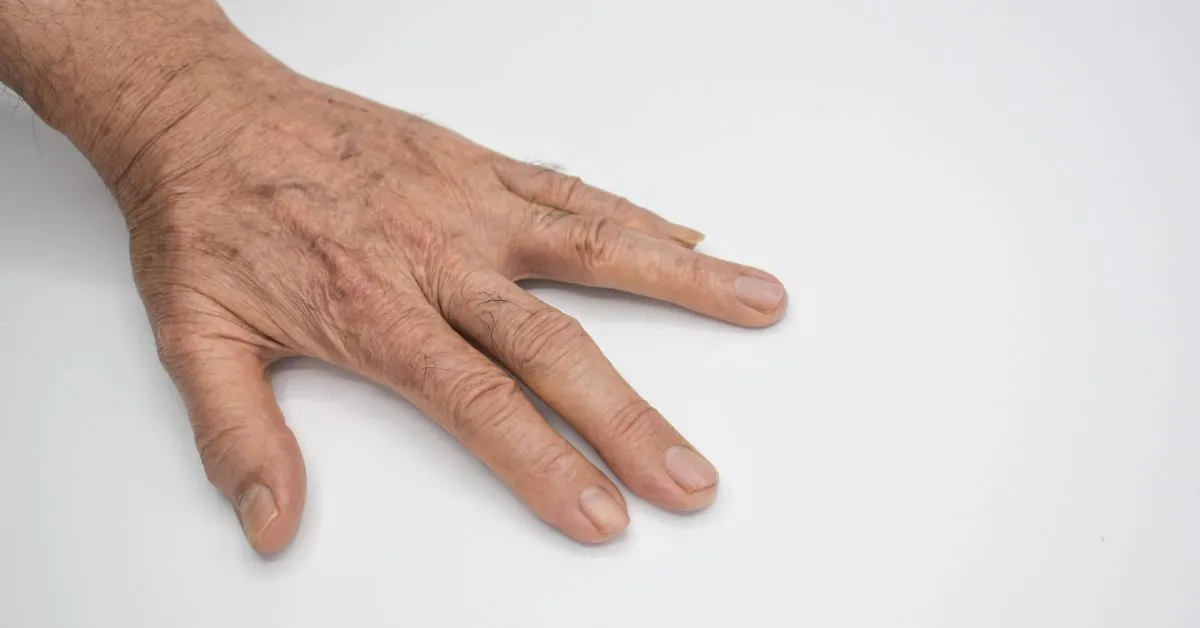
11 Effective Spasticity Exercises: Regain Mobility in Your Hand and Arm
Spasticity is a common challenge for those recovering from neurological conditions like stroke, cerebral palsy, and multiple sclerosis. It can cause muscle stiffness, tightness, and ...