

If you are caring for or supporting an adult with a brain injury, noticing childlike behavior can be one of the most confusing and emotionally challenging changes you face. You may feel unsure how to respond. You may grieve the loss of the relationship you once had. At times, you might even wonder if you are doing something wrong.
First, please know this: you are not alone, and this is not your fault.
Childlike behavior after brain injury is a well-documented and common effect of changes in the brain. While it can be difficult to manage, understanding why it happens and how to respond can make a meaningful difference for both you and your loved one.
This guide is written specifically for caregivers, spouses, parents, adult children, and close friends. We will walk through what childlike behavior looks like, what causes it, how treatment helps, and what you can do day to day to support recovery while protecting your own well-being.
What Does Childlike Behavior After Brain Injury Look Like?
Childlike behavior refers to emotional or behavioral responses that seem immature compared to the person’s age before injury. These behaviors are not intentional, manipulative, or attention-seeking. They are the result of neurological changes caused by damage to specific areas of the brain.
As a caregiver, recognizing these behaviors as symptoms rather than personality flaws can help shift how you respond.
Common Childlike Behaviors You May Notice
You may observe one or more of the following:
- Emotional outbursts or sudden mood swings
- Crying easily or laughing at inappropriate moments
- Impulsivity, such as blurting things out or acting without thinking
- Difficulty handling frustration or disappointment
- Needing frequent reassurance, praise, or attention
- Acting socially inappropriate in public or with family
- Trouble understanding consequences
- Disinhibition, or difficulty with self-control
These behaviors can be especially hard because your loved one may physically look unchanged. However, their brain may be processing emotions and situations very differently than before.
Why Brain Injury Causes Childlike Behavior
Understanding the cause behind these behaviors can help reduce frustration and guilt, which many caregivers carry silently.
Damage to the Frontal Lobes
The frontal lobe, particularly the prefrontal cortex, is responsible for many “adult” skills, including:
- Emotional regulation
- Judgment and reasoning
- Impulse control
- Social awareness
When a brain injury affects these areas, the brain may rely on more basic emotional responses. This can look like a regression to childlike behavior, even though the person is still an adult.
Emotional Regression After Brain Injury
Brain injury can overwhelm the brain’s ability to manage complex emotions. As a result, the person may respond to stress, confusion, or fatigue in simpler ways, similar to how a child might respond.
This regression is not a step backward in effort or motivation. It is the brain doing the best it can with the resources available.
Is Childlike Behavior After Brain Injury Permanent?
This is one of the most important questions caregivers ask. The answer is often more hopeful than you might expect.
While some changes can be long lasting, childlike behavior is not always permanent. The brain has the ability to adapt and reorganize through a process called neuroplasticity. This can allow functions that were previously housed in areas affected by brain injury to be rewired to healthy areas, allowing impaired functions to be improved or potentially even restored.
Factors That Influence Improvement
Several factors affect recovery, including:
- Severity and location of the brain injury
- Time since injury
- Access to therapy and rehabilitation
- Consistency of support at home
- Emotional safety and structure
Progress may be gradual and uneven. Good days and hard days can exist side by side. This is normal.
How Childlike Behavior Impacts Caregivers and Families
Caring for someone with childlike behavior can be emotionally exhausting. Many caregivers experience burnout, grief, and isolation, even when they deeply love the person they are supporting.
You may feel like roles have shifted. A spouse may feel more like a parent. An adult child may feel responsible for emotional regulation that once belonged to the parent.
In addition,childlike behavior can disrupt routines, create tension at home, and make public outings stressful. You may feel embarrassed or judged by others who do not understand brain injury.
These changes can be painful, and acknowledging that pain does not make you selfish. It makes you human. Remember that these moments are not a reflection of your caregiving ability.
Treatment Options That Can Help Reduce Childlike Behavior
Treatment focuses on helping the brain relearn emotional regulation, awareness, and self-control. A team-based approach is often most effective.
Cognitive Rehabilitation Therapy
Cognitive rehabilitation therapy helps improve thinking skills that influence behavior, including:
- Emotional awareness
- Problem-solving
- Attention and self-monitoring
Therapists may help your loved one identify emotional triggers and practice more appropriate responses in a safe environment.
Behavioral Therapy
Behavioral therapy focuses on reinforcing helpful behaviors while reducing problematic ones. This often includes:
- Clear structure and expectations
- Positive reinforcement
- Consistent responses from caregivers
Over time, this consistency helps the brain learn new patterns.
Speech and Occupational Therapy
Speech and occupational therapy often play a critical role in addressing childlike behavior after brain injury, especially when social skills and daily functioning are affected.
Speech therapy goes beyond speaking clearly. It can help your loved one relearn social communication skills, such as recognizing tone of voice, taking turns in conversation, staying on topic, and interpreting social cues like facial expressions or body language. These skills are essential for age-appropriate interactions and can significantly improve relationships over time.
Conversely, occupational therapy focuses on helping your loved one function more independently in everyday life. This includes building structured routines, practicing emotional self-regulation, and developing strategies to handle frustration, transitions, and unexpected changes. Occupational therapists often work on real-life scenarios, which makes these skills easier to apply at home.
Together, speech and occupational therapy help rebuild the foundation for more mature communication, stronger self-control, and greater confidence in daily interactions.
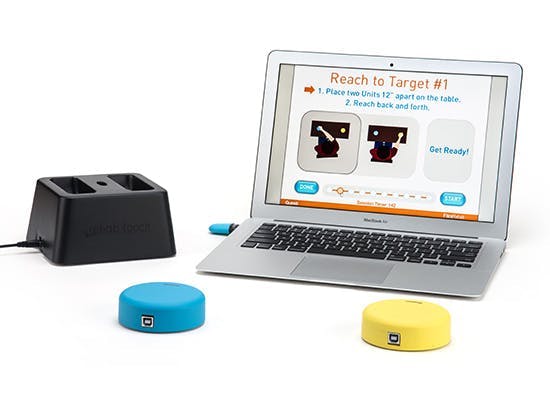
Try the Award Winning CT Speech and Cognitive Therapy App
How Caregivers Can Respond to Childlike Behavior After Brain Injury
Your responses play a powerful role in shaping behavior. And while you cannot control the injury, you can influence the environment around it.
Stay Calm, Even When It’s Hard
Emotional reactions can escalate behavior. When possible:
- Speak calmly and slowly
- Use simple, clear language
- Avoid arguing or lengthy explanations
- Practice patience
A calm response helps the injured brain settle rather than react.
Set Clear and Gentle Boundaries
Childlike behavior does not mean there should be no boundaries. Structure helps the brain feel safe.
Instead of saying, “You’re acting ridiculous,” try, “I can see you’re upset. Let’s pause and talk when things feel calmer.”
Redirect Instead of Correct
Redirection works better than confrontation because it helps guide behavior without triggering embarrassment, defensiveness, or emotional overload. When the brain is already struggling with regulation, being corrected directly can make reactions stronger rather than calmer.
Example:
If your loved one becomes upset and starts raising their voice because plans changed, instead of saying, “You’re overreacting, calm down,” you might say, “I know this change is frustrating. Let’s take a quick break and look at what we can do next.” Then gently shift attention to a familiar activity, a short walk, or a calming task.
By focusing on what comes next rather than what went wrong, you help the brain reset. Over time, this approach reduces shame, builds trust, and supports learning more appropriate ways to respond.
Create Predictable Routines
Routines reduce anxiety and emotional overload. Try to keep:
- Wake-up and bedtimes consistent
- Meals at regular times
- Daily activities structured, but not overly busy
Predictability supports emotional regulation. Within these routines, be sure there is time for self-care. This is essential for both brain injury survivors and caregivers alike. Creating time for self-care can improve mood and overall wellbeing.
Particularly for caregivers, it is hard to pour from an empty cup. Therefore, setting aside personal time is vital to be the best caregiver you can be.
Help Build Emotional Awareness
Many survivors struggle to recognize emotions. You can help by gently naming them:
- “You look frustrated right now.”
- “It seems like you’re feeling overwhelmed.”
This helps build the connection between emotions and appropriate responses.
Manage Fatigue and Overstimulation
Fatigue often worsens childlike behavior. Encourage rest breaks and limit overstimulation from noise, screens, or crowded environments.
A regulated brain behaves more thoughtfully.
Speak With Respect
Avoid talking down, using baby talk, or discussing behavior in front of them as if they are not present. Respect preserves dignity and trust.
Acknowledge Progress
Celebrate small wins, such as calmer responses or improved awareness. Positive reinforcement strengthens motivation and confidence.
When to Seek Additional Professional Help
If behavior becomes unsafe, severely disruptive, or emotionally overwhelming for the household, additional help may be needed.
This can include:
- A neuropsychologist
- A behavioral specialist
- A rehabilitation physician
Reaching out is a sign of strength, not failure.
Final Thoughts for Caregivers
Childlike behavior after brain injury can feel like a loss of the person you once knew. However, many caregivers find that with time, structure, and support, meaningful improvement is possible.
If you are caring for someone with childlike behavior after a brain injury, please remember this: you are doing important work, even on the days it feels invisible.
Education, empathy, and small daily strategies can create real change over time. Progress may be slow, but it is not impossible.
And just as importantly, you deserve care, understanding, and support as well.
Recovery is not about going backward. It is about helping your loved one move forward with the brain they have now.
We hope you enjoyed this article and subscribe to our newsletter for weekly articles just like this delivered straight to your inbox — subscribe here.