
Neuropathic pain can feel confusing, frustrating, and at times, overwhelming. It doesn’t always follow the rules of typical pain. Instead of a clear injury or sore muscle, the pain may come from the nerves themselves sending signals that feel sharp, burning, tingling, or even electric.
If you’re dealing with this type of pain after a stroke, brain injury, spinal cord injury, or another neurological condition, you’re not alone. And more importantly, there are ways to manage it.
This guide will walk you through what neuropathic pain is, why it happens, and what actually helps.
Let’s dive in!
What Is Neuropathic Pain?
Neuropathic pain is a type of pain caused by changes or damage in the nervous system, where signals between the body and brain become distorted and are felt as burning, tingling, or shooting pain.
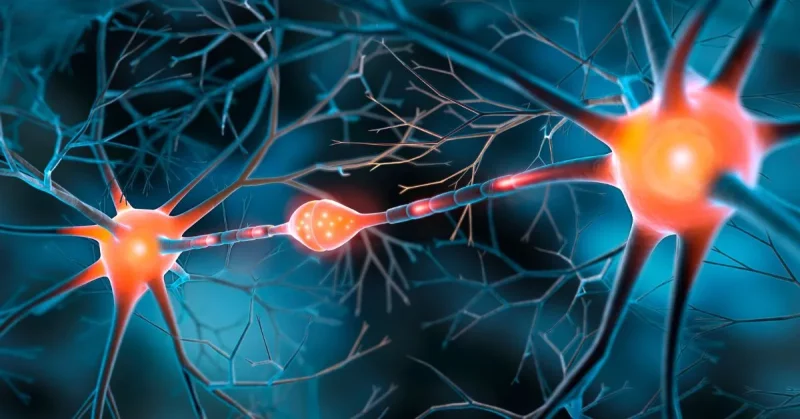
Instead of accurately sending signals like “this is hot” or “this is pressure,” the nerves misfire.
That’s why the sensations can feel unusual, such as:
- Burning or shooting pain
- Tingling or “pins and needles”
- Sensitivity to touch
- Pain without a clear cause
For many people, this pain can be constant while for others it comes and goes.
This is because after neurological injuries, the brain and nerves are trying to rewire and adapt. And during that process, signals can get mixed leading to these uncomfortable sensations.
Why Neuropathic Pain Happens After Neurological Injury
After a stroke, brain injury, or other neurological condition, the way your brain and body communicate can shift. Signals that once moved smoothly may become disrupted or misinterpreted. As your nervous system adjusts and tries to rebuild those connections, this can sometimes lead to neuropathic pain.
Here are some of the most common reasons why this happens:
1. Nerve Damage or Disruption
When nerves are injured, their ability to send accurate signals can change. Instead of clearly communicating sensations like touch, temperature, or pressure, they may send mixed or exaggerated messages or sometimes no message at all.
This can lead to confusing experiences, such as feeling pain without a clear cause, or sensing burning or tingling when nothing is actually there.
2. Brain Reorganization
Your brain is constantly adapting, especially after an injury. This process, known as neuroplasticity, is what allows recovery to happen in the first place.
However, as the brain works to rebuild and reroute connections, it does not always get things exactly right at first. Signals may be misinterpreted, amplified, or sent to the wrong areas. As a result, the brain may register pain even when there is no direct physical trigger.
While this can be frustrating, it is also a sign that the brain is actively trying to reorganize and heal. And with the right input and repetition, these pathways can become more accurate over time.
3. Increased Sensitivity
After a neurological injury, the nervous system can become more reactive than usual. This is sometimes called “sensitization.”
In this state, everyday sensations like light touch, clothing against the skin, or mild temperature changes may feel uncomfortable or even painful. It is not that the sensation itself is harmful, but rather that the nervous system is interpreting it as a threat.
This heightened sensitivity can build gradually, especially if pain signals continue over time. The good news is that the nervous system can also learn to become less sensitive with consistent, gentle exposure and the right strategies.
What Actually Works for Managing Neuropathic Pain? 7 Strategies to Manage Neuropathic Pain
Generally, there isn’t one solution that works for everyone when it comes to neuropathic pain. Instead, progress usually comes from a combination of approaches that help calm the nervous system and improve how your body processes signals.
Let’s take a look at some of the different options that, in combination, may result in improvements over time.
1. Consistent Movement and Exercise
When you’re dealing with neuropathic pain, movement can feel like the last thing you want to do. In fact, it may even seem like it makes the pain worse at first. Still, gentle and consistent movement is one of the most reliable ways to help your nervous system settle over time.
As you move, your body increases blood flow, supports nerve health, and begins to regulate how pain signals are processed. At the same time, your brain gets repeated input that helps it relearn what “normal” movement and sensation should feel like. This is where real change starts to build.
What this might look like:
- Simple range of motion exercises
- Light strengthening
- Everyday movements like reaching, standing, walking, or stepping
It doesn’t need to be long or intense to be effective. What matters most is showing up consistently because even a few minutes each day can begin to shift how your body responds.
2. Repetition-Based Therapy
Recovery after a neurological injury is built on repetition. It’s how the brain learns, adapts, and refines its signals.
When you repeat a movement over and over, you give your brain more chances to “get it right.” Gradually, those signals become clearer and more organized which can help reduce the mixed or exaggerated messages that often show up as neuropathic pain.
At first, progress can feel subtle. The movement might not look much different, and the pain may still be there. However, beneath the surface, your brain is beginning to sort through the noise.
Why repetition helps:
- Reinforces clearer communication pathways
- Reduces “confused” or exaggerated signals
- Improves coordination over time
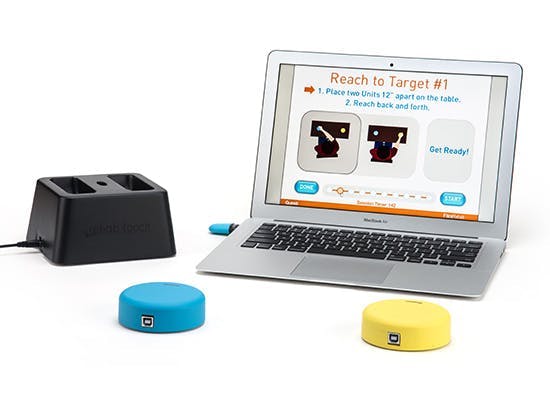
Tools or guided programs can help make repetition easier to stick with, especially at home and the more consistent the repetition, the more your nervous system can recalibrate.
3. Sensory Re-Training
Neuropathic pain is often tied to how the brain interprets sensation. When signals become distorted, even simple input can feel uncomfortable or confusing.
Sensory re-training focuses on gently reintroducing those signals in a controlled way. The goal is to give your brain clearer, more accurate information over time.
Examples include:
- Light touch with different textures
- Exploring soft vs. rough materials
- Practicing awareness of temperature changes (safely)
At first, these exercises can feel unusual and some sensations may seem stronger or less predictable than expected.
That’s a normal part of the process.
With consistency, gradual exposure helps your brain relearn what sensations should feel like.
4. Medications (When Appropriate)
For some people, neuropathic pain needs additional support and that’s where medication can play a role.
Unlike typical pain relievers, these medications are designed to calm how nerve signals are sent and processed. They can help reduce the intensity of symptoms so daily activities feel more manageable.
Common options may include:
- Nerve pain medications (such as gabapentin or pregabalin)
- Certain antidepressants that affect nerve signaling
- Topical treatments (such as capsaicin cream)
Finding the right option often takes time. It’s important to work closely with your doctor and make adjustments gradually.
5. Mind-Body Techniques
Pain is not just physical but, as is the case with neuropathic pain, it’s influenced by how your brain responds to it. When your nervous system is on high alert, pain can feel stronger and more persistent.
Mind-body techniques help calm that response.
Simple options to try:
- Cognitive behavioral therapy
- Deep breathing
- Meditation
- Guided imagery
- Relaxation exercises
These approaches don’t remove pain completely, but they can reduce how intense it feels and how much it affects your day.
6. Heat and Cold Therapy
Sometimes, the simplest tools can offer the most immediate relief especially when neuropathic pain feels intense or unpredictable.
Heat and cold therapy don’t “fix” the underlying cause of nerve pain, but they can help calm the nervous system and take the edge off symptoms in the moment. Think of them as a way to create small windows of relief that make it easier to move, relax, or get through your day.
Heat and cold work in different ways, so your response to each may vary.
Heat may help by:
- Relaxing tight or guarded muscles
- Improving blood flow to the area
- Easing stiffness and promoting comfort
Warmth tends to feel soothing, especially if your pain is accompanied by tension or limited movement. It can also make it easier to perform gentle exercises afterward.
Cold may help by:
- Numbing sharper or more intense pain
- Reducing sensitivity in overactive nerves
- Calming flare-ups
Cold can be particularly helpful when pain feels sudden, sharp, or overwhelming.
The key is to pay attention to how your body responds. Some people strongly prefer one over the other, while others find benefit in alternating between both depending on the situation.
Be sure to use both hot and cold therapies safely, monitoring the temperature and any skin changes, especially if you’ve experienced severe sensation changes.
7. Tracking What Works for You
Neuropathic pain is highly individual. What brings relief for one person may not have the same effect for someone else and that can make it frustrating to figure out what actually helps.
That’s why paying attention to patterns in your own experience can be so valuable. Over time, your body gives you clues. The more you notice them, the easier it becomes to respond in a way that supports your progress.
What to pay attention to:
- When pain tends to increase (time of day, certain movements, stress levels)
- What seems to ease it, even slightly
- How your body responds to exercise, rest, or different activities
You don’t need a detailed log or strict system to benefit from this. Even a quick mental check-in or a few notes can help you spot trends over time.
As those patterns become clearer, you can begin to adjust your routine, leaning into what helps and easing off what doesn’t.
Final Thoughts: Finding What Works for You
Neuropathic pain can often feel unpredictable. Some days may feel manageable, while others feel more difficult without a clear reason.
And that can be incredibly frustrating, especially when you’re putting in the effort.
But as hard as it may be, try to understand that the pain might not leave right away. Focus on making it your goal to make each day more manageable.
Stay consistent with what helps, keep adjusting as you learn, and give your nervous system time to adapt.
We hope you enjoyed this article and subscribe to our newsletter for weekly articles just like this delivered straight to your inbox — subscribe here.