
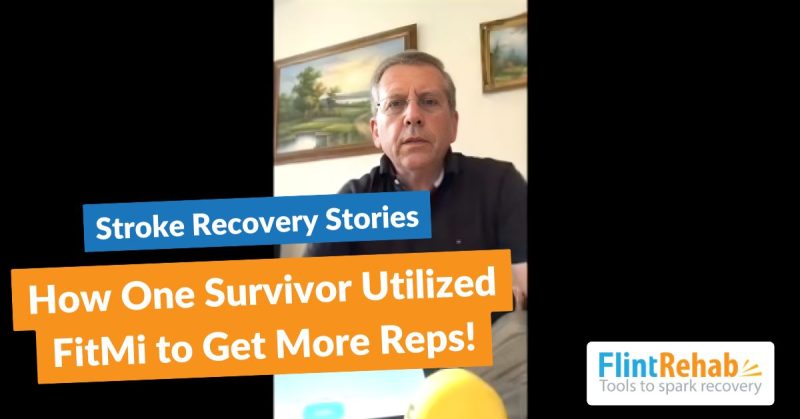
Recovering from a stroke or brain injury often requires patience, persistence, and the right combination of therapies. For many survivors and caregivers, the journey involves trying different tools and approaches to find what truly helps support progress.
For David and his wife, that journey began after a life-changing medical emergency. His wife experienced a ruptured brain aneurysm, which left her with hemiplegia on her left side as well as severe aphasia and apraxia. Like many families facing neurological recovery, they began exploring every option that might support rehabilitation.
Here is their story!
A Life-Changing Aneurysm and the Road to Recovery
Two years ago, David’s wife suffered a ruptured aneurysm, a serious medical event that can lead to significant neurological complications. In her case, the aftermath included:
- Left-side hemiplegia, which affected movement and strength in her arm and hand
- Severe aphasia, making speech and communication extremely difficult
- Apraxia, which interferes with the ability to plan and perform movements
Because of these challenges, David often helps speak on her behalf and supports her therapy routine.
Like many families navigating recovery, they quickly learned that rehabilitation is rarely a single treatment. Instead, it often involves a combination of therapies working together over time.
Their routine included:
- Physiotherapy
- Occupational therapy
- Electrical stimulation therapy (e-stim) for the affected arm
However, they were still searching for additional tools that could support consistent practice at home.
Discovering Flint Rehab While Searching for Solutions
About a year and a half into recovery, David discovered Flint Rehab while researching rehabilitation tools online.
At the time, however, there was one major obstacle.
FitMi was not yet available outside the United States, and David and his wife live in Germany. So even though they were interested in trying the device, they had to wait.
Still, David stayed connected by following Flint Rehab’s resources.
“We followed Flint Rehab and received the newsletters. There was a lot of good information about stroke therapy. Not all of it was about their own products, but also general therapeutic recommendations which we found very helpful.”
For many survivors and caregivers, reliable educational resources can make a meaningful difference. Even before they were able to purchase FitMi, the information they received helped them better understand rehabilitation strategies and ways to support recovery.
Finally Getting FitMi Delivered to Germany
After some time, FitMi finally became available internationally.
David and his wife were able to order the device from California and have it shipped to Germany. Once it arrived, they quickly began integrating it into their daily routine.
They have now been using FitMi for about five to six weeks, and early impressions have been very positive.
Rather than replacing therapy, David explains that FitMi works best as a complement to the rehabilitation they were already doing.
“It’s become a useful adjunct in addition to the standardized therapy that we’ve been doing.”
This is exactly how many therapists recommend using home rehabilitation tools. Devices like FitMi are designed to increase the amount of practice someone gets between therapy sessions, which is a key ingredient in neurological recovery.
How FitMi Supports Repetitive Practice at Home
One of the most important principles of neurorehabilitation is repetition.
The brain often needs hundreds or even thousands of repetitions of a movement to help strengthen neural pathways and improve motor control. However, achieving that level of repetition during traditional therapy sessions alone can be difficult.
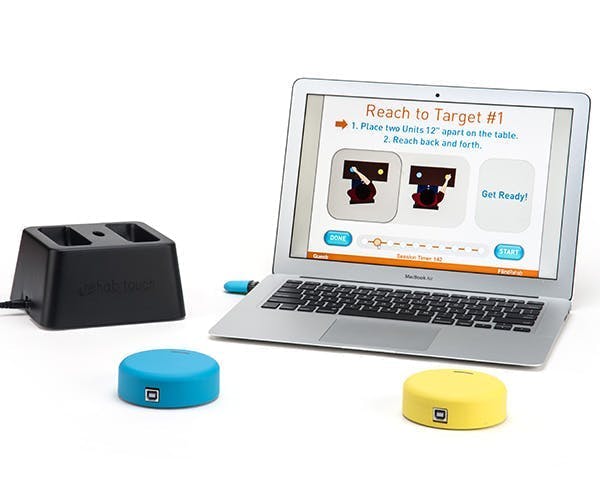
FitMi helps address this challenge by guiding survivors through high-repetition exercises that adapt to the user’s ability.
David particularly appreciated how the system automatically adjusts as progress is made.
“The repetitiveness and the way the product adapts to the improvements that the patient makes and steps up the requirement automatically, I find to be very good.”
This adaptive design helps keep exercises challenging enough to promote progress while still being achievable.
As the survivor improves, the system gradually increases the level of difficulty, encouraging continued progress.
Built-In Video Guidance Makes Exercises Easier to Follow
Another feature David highlighted is the built-in video tutorials included with the FitMi system.
These guided videos demonstrate each exercise step by step, helping survivors and caregivers understand exactly what to do.
For individuals with communication challenges such as aphasia or apraxia, visual instruction can be especially helpful. Instead of relying on verbal explanation alone, the videos provide clear demonstrations that make it easier to follow along.
David and his wife purchased the FitMi tablet with the software pre-installed, which made the system even more convenient to use.
“The built-in video tutorials are very useful.”
Having guided instructions readily available helps ensure that exercises are performed correctly and consistently.
Portable Therapy That Can Travel Anywhere
Consistency is one of the most important factors in rehabilitation. The more often someone practices their exercises, the more opportunities the brain has to rebuild connections.
Because FitMi is portable, David and his wife can bring it with them even when they are away from home.
“It’s very useful to take with us when we’re away from home, for example on vacation.”
This flexibility makes it easier to maintain a regular therapy routine without interruptions.
Whether someone is traveling, visiting family, or simply moving between rooms at home, having portable rehabilitation tools can make it easier to stay consistent with daily exercise.
A Well-Engineered Device Built for Rehabilitation
David brings a unique perspective to his review because he has worked for many years in the medical device technology field.
From his professional standpoint, he was impressed with the physical design of the FitMi pucks.
“The pucks in particular are very well engineered and very robust. Working myself for many years in the medical device technology area, I think it’s a well engineered product.”
Durability is especially important for rehabilitation devices because exercises often involve repetitive tapping, gripping, and movement. Devices must be able to handle frequent use while still providing reliable feedback.
FitMi’s sensors track movements during each exercise and count repetitions, helping users stay motivated and engaged.
Supporting Progress Along the Recovery Journey
Every stroke or brain injury recovery journey is unique. Progress can take time, and improvements may come gradually.
For David and his wife, FitMi represents another supportive tool in the broader rehabilitation process.
“We are hoping to see some advances in the recuperation of my wife moving forward.”
While no single therapy tool can guarantee results, consistent practice is one of the most powerful ways to support recovery. Tools that make exercise engaging and accessible at home can help survivors increase the amount of meaningful practice they get each day.
Why Home Therapy Tools Can Make a Difference
Many survivors only receive a limited number of therapy sessions each week. This means that a large portion of recovery happens outside of the clinic.
Home therapy tools like FitMi can help bridge that gap by providing structured exercises that survivors can perform regularly.
Benefits of home rehabilitation tools often include:
- Encouraging more repetitions, which supports neuroplasticity
- Providing guided exercises that are easy to follow
- Allowing survivors to practice anytime
- Helping maintain motivation through feedback and progress tracking
When used alongside professional therapy, these tools can play an important role in long-term recovery.
Encouragement for Survivors and Caregivers
If you or someone you love is recovering from a stroke, brain injury, or aneurysm, it’s important to remember that recovery is rarely a straight line.
Some days will feel encouraging, while others may feel frustrating. However, consistent effort, supportive tools, and the right therapy strategies can all help create opportunities for progress.
David and his wife’s story highlights something many survivors discover over time:
Small improvements add up.
And every repetition is another step forward.
Learn More About FitMi
FitMi is a home rehabilitation device designed to help survivors practice therapeutic exercises with engaging feedback and adaptive difficulty.
If you’re looking for ways to increase the amount of therapy you can do at home, FitMi may be a helpful addition to your routine.
Many survivors and caregivers find that combining professional therapy with guided home exercises provides the best opportunity for meaningful recovery.
Recovery takes time, but with persistence and the right support, progress is always possible.We hope you enjoyed this article and subscribe to our newsletter for weekly articles just like this delivered straight to your inbox — subscribe here.
Watch the full video here or tap below: https://www.youtube.com/watch?v=yalpIEBT3Hg