
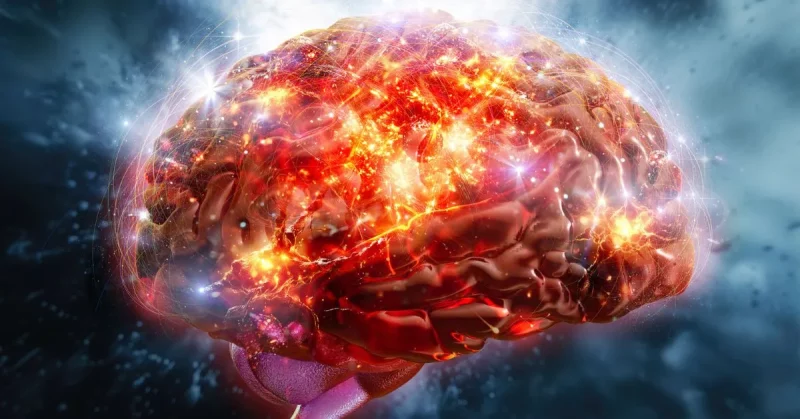
Why does burning, electric pain show up on one side of your body months after your stroke, once doctors said the hard part was over? The answer isn’t in your muscles or joints. It’s in how your brain now processes sensation.
Doctors call this thalamic pain syndrome.
Understanding why this happens is the first step toward finding real relief, and there’s more you can do about it than most survivors realize.
Let’s dive in!
Table of contents
What Is Thalamic Pain Syndrome?
Thalamic pain syndrome, also called central post-stroke pain (CPSP), is nerve pain that develops after a stroke damages the thalamus. The thalamus is a small structure deep in the brain.
Think of it as a relay station.
It sorts touch, temperature, and pain signals before sending them on to the parts of your brain that interpret them.
When a stroke damages this relay station, it can start sending scrambled or amplified signals. The pain feels like it’s coming from your skin or muscles. But the real damage is in the brain. It usually affects the side of the body opposite the stroke. People often describe it as burning, freezing, tingling, or shooting.
This isn’t a rare complication. Approximately 14-25% of people with a thalamic stroke develop central post stroke pain. (Nasreddine & Saver 1997, Klit et al 2009)).
Why It Happens: The Science Behind Thalamic Pain
To manage this pain, it helps to understand what’s actually going on inside the brain.
The short version: the stroke disrupts the brain’s own volume control for pain signals, so normal sensations get turned up too loud or misread entirely.
A stroke in the thalamus can damage the spinothalamic tract. This is the pathway that carries temperature and pain signals to the brain (NCBI, 2023). The stroke can also damage the thalamus’s own “volume control” for pain, a network of calming nerve cells that normally keeps pain signals in check.
When that calming network is damaged, nearby nerve cells become overactive. Researchers call this central disinhibition.
The result is a nervous system that’s easily triggered. Light touch, a cool breeze, or even stress can set off pain that feels far out of proportion to the trigger. This is why standard pain relievers often fall short here. They’re built to treat injured tissue.
Why Pain Often Shows Up Weeks or Months Later
If your nerve pain didn’t start until well after your stroke, you’re not imagining a delayed reaction. That delay is one of the most well-documented features of this condition.
Research pooling data across CPSP patients found that only about 26% notice pain right at the time of their stroke, about 31% develop it within the first month, and 41% develop it between 1 month and one year after stroke. (Advances in Therapy, 2020).
This delay happens because the changes driving the pain take time to develop. The loss of the brain’s calming network, and the rewiring of sensory pathways, don’t happen all at once after the stroke. Your brain is still adjusting long after the acute recovery period ends.
That’s one more reason it’s worth mentioning any new sensory changes to your care team, even months out.
Getting an Accurate Diagnosis
Thalamic pain can look like other conditions, such as spasticity, joint pain, or complex regional pain syndrome. That makes it easy to misdiagnose or dismiss. A neurologist or physiatrist familiar with post-stroke pain can confirm the diagnosis.
They’ll look at your history, run a neurological exam, and check imaging that shows where your stroke happened.
Getting the right diagnosis matters. Nerve-based pain needs a different treatment approach than muscle or joint pain does. It helps to bring a written description of your pain to the appointment: when it started, what triggers it, and what it feels like.
This can help your provider narrow things down faster.
Medical Treatment Options
What Many People Get Wrong: assuming over-the-counter pain relievers like ibuprofen or acetaminophen will help. Because thalamic pain comes from the nervous system rather than inflamed tissue, these medications typically don’t touch it.
Instead, providers usually start with medications developed for nerve pain specifically:
- Anticonvulsants, such as gabapentin or pregabalin, which calm overactive nerve signaling are often utilized in other neuropathic pain conditions, however the evidence for CPSP is limited (Neurology, 2014)
- Antidepressants, particularly amitriptyline and duloxetine, which have shown some of the most consistent evidence for reducing CPSP symptoms (PMC, 2024)(Tamasauskas et al. 2025).
- Repetitive transcranial magnetic stimulation (rTMS), a non-invasive technique that targets the motor cortex and has shown moderate effectiveness in clinical studies, though effects may not persist beyond 6 months and sample sizes of these studies are small. (Tamasauskas et al. 2025).
It’s worth setting realistic expectations here. A large review found that current treatments produce only a small to moderate drop in pain on average. No single approach works for everyone (Journal of Pain, 2024).
That doesn’t mean relief isn’t possible.
It means most people land on a combination of strategies rather than one fix. It can take some trial and error with your care team to find what helps you.
Strategies You Can Try at Home
Medical treatment is the foundation, but there’s also a lot you can do between appointments to help your nervous system settle.
Track Your Triggers
Temperature changes, stress, fatigue, and even certain fabrics can flare thalamic pain. Keeping a simple log of when pain spikes, and what was happening right before, can help you and your care team spot patterns worth addressing. (Advances in Therapy, 2020)
Use Gentle, Consistent Movement
Exercise supports neuroplasticity, your brain’s ability to reorganize and form new connections through repeated practice. Gentle, regular movement, even a short daily walk or light stretching, gives your nervous system steady, non-threatening input.
Over time, that can help retrain how your brain processes sensation.
The key word is consistent.
A daily 10-minute routine you can actually stick with does more for your nervous system than one intense session a week.
Manage Temperature Carefully
Because cold and heat are common triggers, dressing in layers and avoiding sudden temperature shifts, like stepping from a warm house into cold air, can reduce flare-ups.
Try Sensory Retraining
Some occupational therapists use gentle exposure to different textures and temperatures.
This helps the brain relearn how to read sensory input. Work with a therapist on this, not alone. Pushing too far too fast can worsen symptoms instead of calming them. (Pain, 2025)
Address Stress and Sleep
Pain and stress feed each other. Chronic pain raises your stress. Stress, in turn, lowers your pain threshold. Simple habits help break that cycle: a consistent sleep schedule, or a few minutes of slow breathing when pain flares. These won’t erase the pain. But they can take the edge off how hard your nervous system reacts to it.
None of these home strategies are meant to replace your medical treatment. They work best as a complement to what your neurologist or physiatrist is already doing, giving your nervous system extra support between visits.
Moving Forward
Thalamic pain syndrome is a real, physical result of your stroke. It’s not a sign that something is wrong with you, or that you’re not recovering “correctly.” It can also be genuinely hard to live with, especially since it often shows up long after friends and family assume your recovery is finished.
Progress looks different for everyone with this condition.
Some people find real relief through medication alone. Others need a mix of medical treatment, sensory retraining, and lifestyle changes before they notice a difference.
Bring your symptoms, and this article if it helps, to your next appointment. Don’t hesitate to ask your provider about combining approaches if what you’ve tried so far hasn’t been enough.
We hope you enjoyed this article and subscribe to our newsletter for weekly articles just like this delivered straight to your inbox — subscribe here.
Here are some additional articles you might be interested in:
- Thalamic Stroke: Understanding the Effects, Treatment, and Recovery after a Stroke in the Thalamus
- Damage to the Thalamus: Understanding the Side Effects and Recovery Process
- 7 Practical Strategies for Managing Central Post-Stroke Pain for Yourself or a Loved One
- Managing Neuropathic Pain: What Actually Works? A Practical Guide to Finding Relief After Neurological Injury