

Recovering movement after a stroke, brain injury, spinal cord injury, or neurological condition relies on one ingredient: consistent practice. The more you engage your muscles and challenge your brain with purposeful repetition, the stronger those neural pathways become.
That is exactly why tools like FitMi and MusicGlove are so effective. They encourage steady, high-quality practice from home, giving you a way to stay active even when therapy sessions are limited.
Whether you are new to these devices or have been using them for a while, there are simple ways to make your practice more effective and enjoyable. This guide walks you through 6 practical strategies that help you build momentum, track your progress, and stay motivated long term.
Why FitMi and MusicGlove Support Better Rehab Outcomes
Before jumping into the tips, it helps to understand why these tools are so powerful. Both FitMi and MusicGlove are designed to maximize the amount of repetition you get in each session.
They do that through interactive and structured game-like programs that reinforce movement to encourage neuroplasticity.
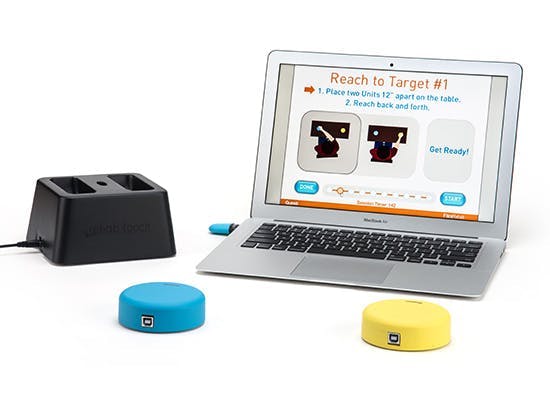
- FitMi focuses on full-body exercise (hand, arms, core, and legs). It turns repetitive movements into interactive training sessions that keep you engaged while helping you complete high numbers of repetitions. The FitMi is clinically proven to improve recovery 3x faster than traditional therapy alone.
- MusicGlove focuses on hand function. Its music-based design makes finger exercises more enjoyable and gives you instant feedback on your accuracy and timing. The MusicGlove is clinically proven to increase hand function in just 2 weeks with 6 hours of total use.
The heart of both tools is consistency. Small daily efforts add up over time, and with the right strategies you can turn those efforts into steady gains.
Let’s take a look at 7 strategies to help you get the most out of each device!
1. Set a Daily Routine That Works for You
Repetition is the key driver of neuroplasticity, the brain’s ability to adapt and rewire. That means frequency matters just as much as total time. You do not need long sessions every day to make progress. Instead, aim for rhythm and regularity.
Consistent practice reinforces what you have gained during previous sessions. When your brain receives regular signals from your muscles, it becomes easier to form new connections and strengthen existing ones.
How to Build Your Routine
A good routine does not need to be complicated. Try these simple ideas:
- Schedule two or three short sessions throughout the day. Even 10 minutes at a time makes a difference.
- Pick times when you have the most energy. This might be in the morning for some people and in the afternoon for others.
- Pair your practice with another habit you already do daily, such as after breakfast or before watching your favorite show. This sort of “habit stacking” can help you stick to the routine.
By setting a routine that fits naturally into your life, you reduce the chances of skipping sessions and increase your opportunities for improvement.
2. Aim for at Least 20 Minutes a Day, Four Times per Week
Studies on high-repetition rehab show that frequency and consistency lead to better results. Using FitMi or MusicGlove for 20 minutes a day at least four times a week gives your brain steady input that supports recovery.
Longer sessions can be helpful, but they are not required. What matters is staying engaged and returning regularly. This level of weekly practice helps maintain momentum while giving you room to rest and recover.
How to Make This Goal Easy to Achieve
Here are a few ways to break it down:
- Divide 20 minutes into two short segments if that feels more manageable.
- Increase your time gradually. If you can only practice for 10 minutes at first, that is perfectly fine. Add a few minutes each week.
- Use the built-in progress tracking to stay motivated. Seeing your scores improve makes it easier to come back the next day.
With steady effort, this routine becomes second nature.
3. Focus on Quality Movement During Every Session
High-quality movement strengthens the connection between your brain and your muscles more effectively than rushing through exercises. When you focus on good technique, your brain learns to send clearer signals, and your muscles respond with more control and accuracy.
With MusicGlove, this might mean taking an extra moment to position your fingers correctly before each grip. With FitMi, it might mean slowing down a movement until you feel you are performing it with intention.
How to Improve Movement Quality
Use these strategies to stay mindful during each session:
- Pay attention to how the movement feels, not just whether you can complete it.
- Try to use affected muscles as much as possible with minimal compensations.
- Pause if something feels off, then restart with a slower pace.
By focusing on quality, you get more from each repetition and support long-term skill development.
4. Start Exactly Where You Are
No two recovery journeys are the same. You might barely be able to squeeze your hand or unclench your fist while somebody else might be trying to improve their strength and dexterity. Your starting point will not look like someone else’s, and that is completely normal.
The purpose of FitMi and MusicGlove is to help you progress at your own pace. You do not need to be “ready” for a certain difficulty level. You simply need to show up and begin where you are today.
How to Embrace Your Starting Point
To make the most of your beginning stage, try the following:
- Choose easier exercises or slower songs until you gain confidence.
- Celebrate small wins, such as moving a little farther or completing one more repetition than yesterday.
- Avoid comparing your progress to others. Your path is unique, and steady improvement is what matters.
By starting where you are, you set yourself up for sustainable growth.
5. Set Goals That Guide Your Progress
Clear goals help you stay focused and give you something to look forward to. They also make it easier to measure your growth, especially on days when progress feels slow.
Goals do not have to be big. In fact, smaller goals often work better because they build confidence and help you track steady gains.
How to Create S.M.A.R.T. Rehab Goals
A S.M.A.R.T. goal is:
- Specific: Clear and detailed
- Measurable: Easy to track
- Achievable: Realistic for your current abilities
- Relevant: Connected to your personal recovery needs
- Time bound: Has a clear deadline
Here are a few examples you might use:
- Hit 80% of notes on an easy-mode song for the MusicGlove using two grips within two weeks.
- Reach 20 minutes of leg training on FitMi by the end of the month.
- Improve your accuracy by 10 percent over the next seven days.
When you set thoughtful goals, you give each session direction and purpose.
6. Keep a Rehab Journal to Track Your Journey
Recovery often includes ups and downs. Some days feel like everything is getting easier. Other days feel slow and frustrating. A rehab journal helps you see the bigger picture by recording your effort, improvements, and milestones.
You do not need to write lengthy entries. Even quick notes help you stay grounded during plateaus and encourage you to keep going.
What to Write in Your Journal
Here are simple prompts you can use:
- How long you practiced
- Which exercises or songs you completed
- How your movement felt compared to previous sessions
- Any small improvements you noticed
Looking back at your notes after several weeks can reveal progress you might not have noticed in the moment.
Stay Patient and Trust the Process
Rehab rarely happens in a straight line. Some improvements come quickly, while others develop gradually over weeks or months. It is normal to feel impatient sometimes, especially when you are working hard.
The important thing is remembering that every session counts. Each attempt helps your brain grow stronger and improves your control little by little.
How to Stay Encouraged Over the Long Term
When motivation dips, try these strategies:
- Look at your progress tracking in FitMi or MusicGlove to remind yourself how far you have come.
- Revisit your goals and adjust them if needed. Sometimes progress becomes clearer when you shift your timeline.
- Celebrate non-physical wins, such as better focus or improved confidence during your sessions.
With steady patience, your efforts will add up.
Additional Tips for Staying Consistent
Create a Comfortable Practice Space: Set up an area where you can move freely and focus on your exercises. A simple, clutter-free environment helps you stay committed. (this is one tip where having the Flint portable tablet will help).
Invite a Family Member or Caregiver: Some people find it helpful to have someone nearby for support or encouragement. Having them try it, especially the MusicGlove, can make rehab feel much more enjoyable and even something to look forward to each day.
Mix Up Exercises for Variety: FitMi and MusicGlove include different challenges and game modes. Switching between them keeps practice interesting and prevents boredom.
Listen to Your Body: Rest when needed, take breaks between sessions, and avoid pushing through pain. Comfort and safety support better outcomes.
Putting It All Together
FitMi and MusicGlove offer more than exercises. They give you structure, feedback, and a way to stay consistent from home, which is often the hardest part of rehabilitation.
By creating a routine, practicing with intention, setting meaningful goals, and giving yourself space to grow, you build solid habits that support long-term progress. Recovery is a journey that takes patience, but with the right strategies, each day becomes an opportunity to move forward.
Final Thoughts
No matter where you are in your recovery, home rehab tools like FitMi and MusicGlove help you stay active, motivated, and engaged. You do not need perfect sessions or long workouts to see results. You just need steady effort and a willingness to keep going.
Every repetition strengthens your mind-body connection. Every song, exercise, and small victory brings you closer to the mobility and independence you are working toward.
If you stay consistent and trust the process, your hard work will pay off in ways that support both your confidence and your physical goals.
We hope you enjoyed this article and subscribe to our newsletter for weekly articles just like this delivered straight to your inbox — subscribe here.