








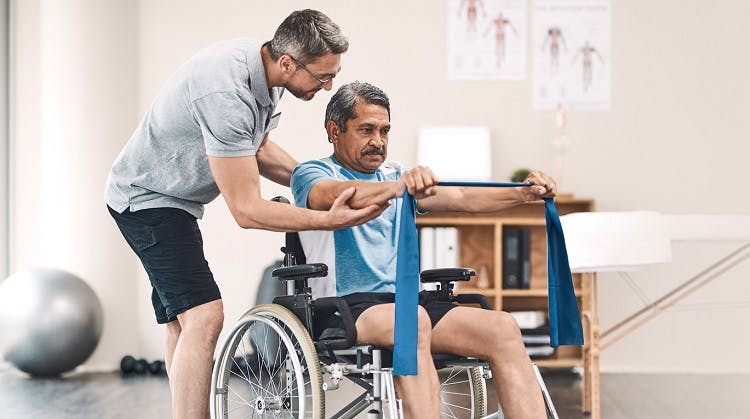
Incomplete Spinal Cord Injury: Types, Effects, and Recovery Outlook
An incomplete spinal cord injury can result in a wide range of sensory and/or motor impairments. Depending on the severity of an individual’s spinal cord ...
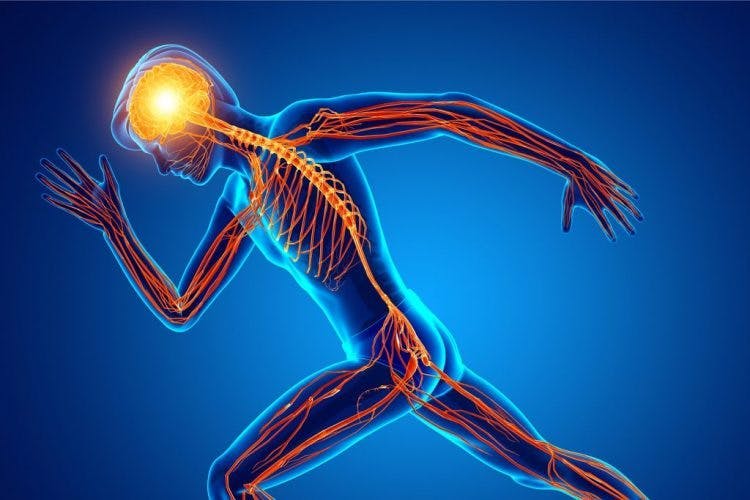
Spinal Cord Injury Levels: A Complete Overview
The level of a spinal cord injury refers to the lowest region of the spinal cord where normal motor control and sensation exist. Knowing one’s ...

Tics After Head Trauma: Causes, Diagnosis, and Treatment
Tics after head trauma can cause a person to make sudden, repetitive movements or vocalizations. These movements are involuntary, although they do not always appear ...

Brain Damage Recovery Chances: How to Maximize Recovery Outlook
Every brain injury is unique, which makes it challenging to predict one’s chances of recovery. Many factors are involved in determining one’s recovery outlook after ...

Treatments for Traumatic Brain Injury: What They Are & How It Works
There are a variety of treatments for traumatic brain injury (TBI) that can help survivors boost recovery. However, treatment depends on many factors, such as ...
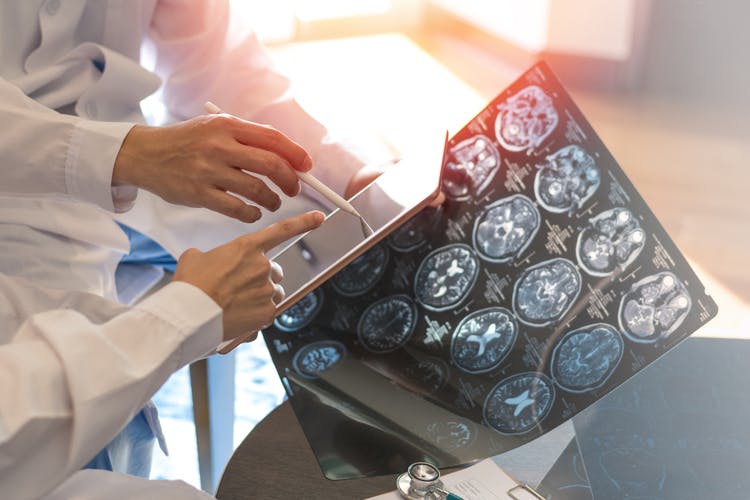
Mixed Transcortical Aphasia: Causes, Symptoms, and Treatment
Mixed transcortical aphasia is a severe form of aphasia that causes an inability to speak or understand others. It is similar to global aphasia in that it ...

Hallucinations After Head Injury: Causes, Types, and Treatments
Psychiatric issues, such as delusions and hallucinations, are common after head injury, especially in the early stages of recovery. In this article, we will discuss ...

12 Activities to Fight Depression After Stroke and Improve Your Mood During Recovery
Depression after a stroke is common, affecting nearly one in three survivors. It can appear suddenly or gradually, often influenced by changes in mobility, independence, ...

Occupational Therapy for Spinal Cord Injury Patients: How Everyday Activities Can Increase Independence
Occupational therapy after spinal cord injury focuses on easing the transition back to everyday life. SCI patients can maximize their independence by practicing everyday activities ...

What You Need to Know About Traumatic Brain Injury Medications: A Look At the Uses, Benefits, and Risks—Plus Which Ones to Avoid
Traumatic brain injury medication is administered immediately after an injury to stabilize the individual and prevent a secondary injury. However, a brain injury can result ...
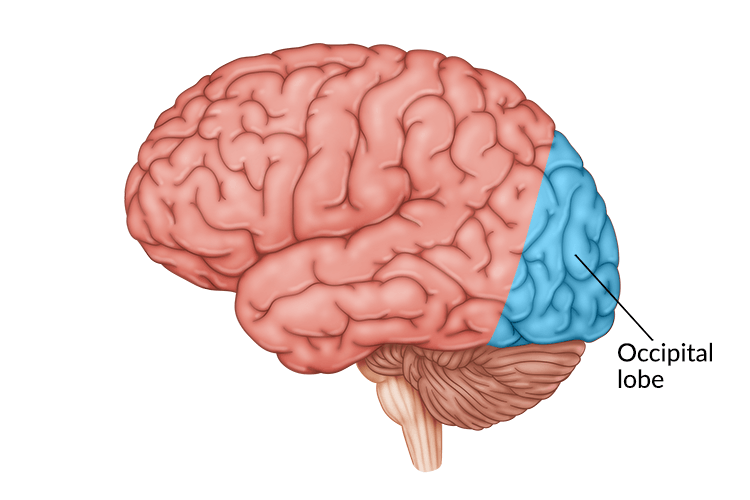
Understanding Occipital Lobe Stroke: What It Affects & How to Recover
A stroke in the occipital lobe often causes vision problems since this area of the brain processes visual input from the eyes. A stroke can ...

Ketogenic Diet for Cerebral Palsy: Benefits and Risks
Can individuals with cerebral palsy benefit from adopting a ketogenic diet? The ketogenic diet is very high in fats, moderate in proteins, and low in ...
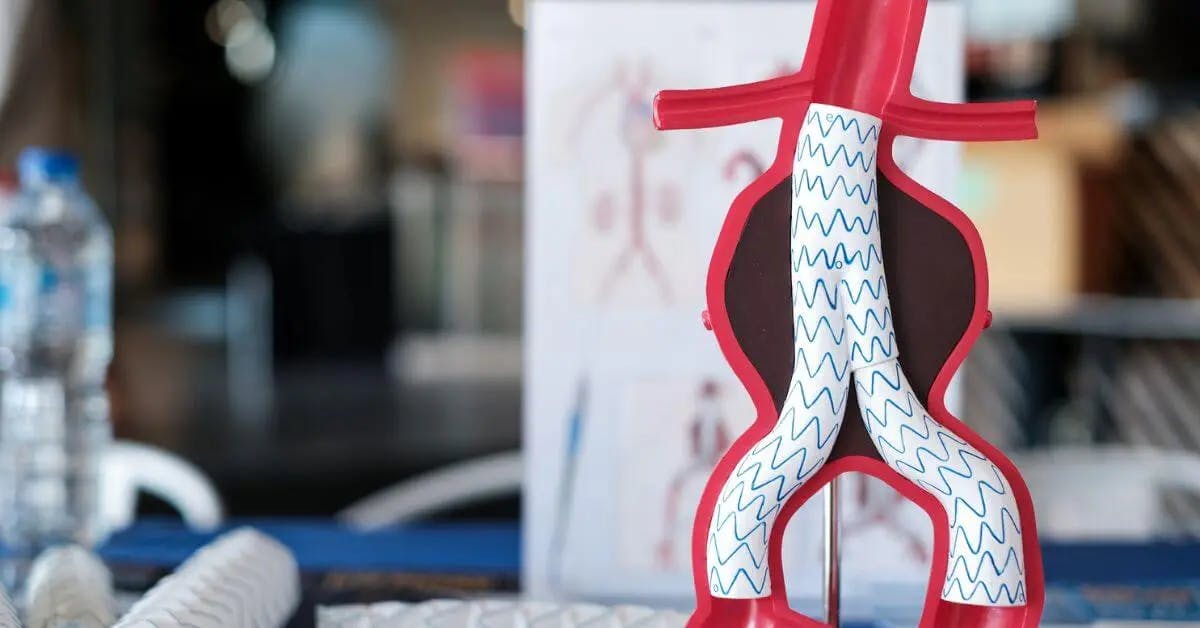
Carotid Artery Dissection: Understanding the Risks and Symptoms
The carotid arteries, located on each side of your neck, are vital blood vessels responsible for carrying oxygen-rich blood to your brain. When a tear ...

Can’t Recognize Faces After Stroke? You May Have Prosopagnosia
If you or a loved one can’t recognize faces after a stroke, it could be prosopagnosia — also known as “facial blindness.” This article will discuss the ...

Clonus After Spinal Cord Injury: How to Manage Involuntary Shaking
After a spinal cord injury, you may experience clonus, which refers to involuntary rhythmic shaking of the limbs. If not properly managed, it can progress ...

Looking at Memory and Stroke: How to Improve Memory After Stroke with Cognitive Rehabilitation and Compensation Strategies
More than one third of survivors experience difficulties with memory after stroke. Some individuals may have problems with remembering new information, while others may struggle ...

Cerebral Palsy in Adults: Understanding How It May Change Over Time
The effects of cerebral palsy can change over time and present themselves differently as individuals become adults. Fortunately, the behaviors you consistently practice can significantly ...

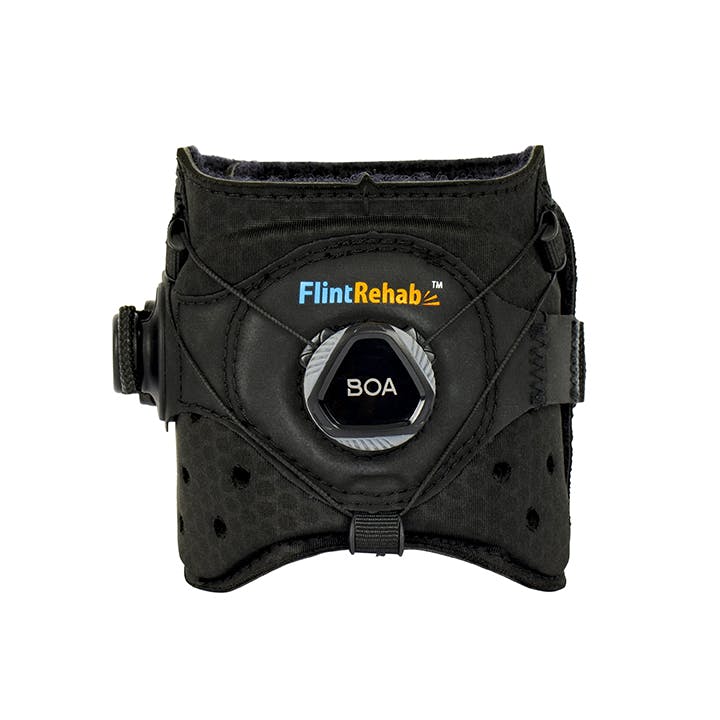
Foot Drop After TBI: Understanding the Causes, Signs, & Treatment Options
Brain injury survivors who experience foot drop after TBI have difficulties with lifting the front portion of their foot. This may cause the toes to ...