
Aphasia can change the way a person communicates, but it does not change who they are.
After a stroke or brain injury, many families suddenly find themselves navigating conversations that feel slower, more frustrating, or emotionally exhausting. You may notice your loved one struggling to find words, mixing up phrases, or understanding only part of what is being said. At the same time, they may know exactly what they want to communicate inside their mind.
That disconnect can be difficult for everyone involved.
The good news is that communication skills can improve with practice. In fact, consistent speech practice at home is often one of the most important parts of recovery.
Still, many caregivers are unsure where to begin. They may worry about saying the wrong thing, correcting too much, or accidentally making communication harder instead of easier.
If that sounds familiar, you are not alone.
This guide will walk you through practical ways to help a loved one with aphasia practice speech at home. You will also learn what people often misunderstand about aphasia recovery and how to create a supportive environment that encourages progress without adding pressure.
So if you’re ready, let’s jump in!
Table of contents
What Is Aphasia?
Aphasia is a communication disorder that affects a person’s ability to speak, understand language, read, or write. It commonly occurs after a stroke, traumatic brain injury, or other neurological condition affecting the language centers of the brain.
There are several different types of aphasia, and symptoms can vary widely from person to person.
Some individuals may:
- Struggle to find the right words
- Speak in short or incomplete sentences
- Use incorrect or nonsensical words without realizing it
- Have trouble understanding conversation
- Find reading or writing difficult
Others may understand everything clearly but have trouble getting words out.
This is important to remember because aphasia affects language, not intelligence.
Many people with aphasia are fully aware of what they want to say. They simply cannot access or organize the words easily.
That distinction matters because one of the most frustrating experiences for people with aphasia is being treated as though they no longer understand the world around them.
Why Consistent Home Practice is Critical When It Comes to Aphasia
Speech therapy sessions are valuable, but recovery should not stop at the therapy office.
The brain changes through consistent repetition.
This concept is known as neuroplasticity, which refers to the brain’s ability to reorganize and form new connections through practice and experience.
In other words, the more opportunities the brain has to practice communication, the more chances it has to strengthen those language pathways, which is why home practice is so important!
Even short daily practice sessions can help reinforce skills learned during speech therapy. Consistency is often more helpful than occasional long sessions.
For example:
- A 10-minute conversation every day may be more effective than a single one-hour session once a week
- Practicing familiar words repeatedly can improve recall over time
- Using communication during real-life activities helps the brain connect language to meaningful situations
Even small moments throughout the day like naming household objects, singing along to music, and practicing greetings increases repetition which can help recovery continue to move forward.
Simple Practice Speech Activities to Help Your Loved One with Aphasia Keep Progressing at Home
Home practice does not need to feel like homework. In fact, some of the best speech exercises fit naturally into everyday life.
Let’s take a look at some simple practice speech activities you can do anywhere to help your loved one with aphasia keep their recovery moving forward.
1. Practice Naming Common Objects
Naming objects is a simple but effective exercise for many people with aphasia. You can practice anywhere and with practically anything around the house like:
- Kitchen items
- Clothing
- Family photos
- Grocery items
- Objects around the house
Remember to start slowly and try to keep sessions short or make a game out of it!
If your loved one cannot find the word, try offering:
- The first sound of the word
- A simple clue
- Two choices to pick from
For example: “Is it a spoon or a fork?”
Providing this type of support without immediately giving the answer encourages active thinking and can lead to better long term recovery.
2. Use Family Photos for Conversation Practice
Using family photos can be a great way to trigger memories, emotions, and meaningful conversation which can improve recall.
Try asking simple questions like:
- “Who is this?”
- “Where were we here?”
- “What happened that day?”
These conversations often feel more natural than structured drills which can make it more engaging. In addition, emotionally meaningful topics tend to engage the brain more effectively than random practice words.
3. Read Together Out Loud
Reading aloud can be a great activity to do with a loved one recovering from aphasia AND it doubles up as a great practice activity. Reading aloud helps improve speech production, rhythm, and confidence.
You can start with:
- Favorite prayers or quotes
- Pieces of a favorite book
- Pieces of a favorite song
Making it a shared activity where you both read together can also make it feel more like a bonding experience opposed to just mindlessly practicing different exercises.
If full sentences feel overwhelming, start with practicing one word or one phrase at a time.
4. Practice Automatic Phrases Each Day
Some phrases are easier for the brain to access because they are deeply familiar. This is where automatic phrases can be a great way to practice your speech each day.
Examples of automatic phrases include:
- “Good morning”
- “Good night”
- “Please”
- “Thank you”
- “How are you?”
These simple phrases (and others) are a great way to reinforce consistent language each day.
5. Turn Daily Tasks Into Speech Practice
As you might be gathering from the list so far, you do not always need formal exercises to keep progress moving forward at home.
Daily activities can provide excellent opportunities to practice communication outside of traditional drills.
Things like:
- Ordering food
- Making shopping lists
- Cooking and/or following a recipe together
- Talking during walks
- Watching TV and discussing scenes
- Naming ingredients while preparing meals
This kind of real-world practice helps make communication more functional and meaningful.
6. Practicing Through Sing Alongs
Singing can be a surprisingly effective way to practice speech at home for some individuals with aphasia.
This is because music adds rhythm, repetition, and melody, which may help the brain access words more easily than during regular conversation. In fact, some people who struggle to speak full sentences can still sing familiar lyrics clearly.
Try using:
- Favorite old songs
- Church hymns
- Nursery rhymes
- Holiday music
You can make singing more interactive by singing along together or pausing to let them fill in missing words.
The goal is not to sing perfectly. Instead, singing provides another opportunity to practice words, sounds, and communication in a way that often feels more enjoyable and less frustrating.
7. Consider Using Home Therapy Apps for Extra Practice
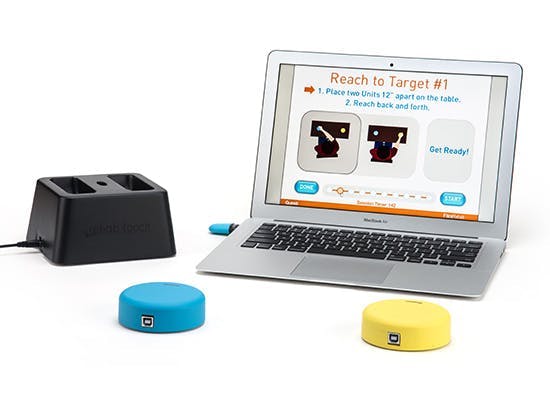
In addition to conversations and daily communication activities, some families find it helpful to use home therapy apps for extra structured practice between speech therapy sessions.
Apps designed for speech and cognitive rehabilitation can provide guided exercises that target areas such as:
- Word finding
- Memory
- Attention
- Comprehension
- Problem solving
- Speech production
This can be especially helpful on days when you are not sure what activities to practice at home.
We highly recommend checking out our CT Speech & Cognitive Therapy App as it has over 500,000 exercises built out by leading speech language pathologists.
That said, apps work best when they are used as part of a broader recovery approach that also includes real conversations, social interaction, and support from family members or speech therapists.
How to Keep Your Loved One Motivated
Staying motivated during aphasia recovery can be challenging, especially when progress feels slow or inconsistent. Some days communication may seem easier, while other days may feel frustrating for both of you.
One of the most common mistakes families make is expecting noticeable improvement every day. However, language recovery usually happens gradually through consistent practice, repetition, and patience over time.
Here are a few simple tips to help your loved one stay encouraged and engaged with speech practice at home.
Celebrate Effort, Not Just Outcomes
One of the best ways to keep someone motivated during aphasia recovery is to recognize the effort they are putting in, not just whether the words come out perfectly. Communication can feel exhausting after a stroke or brain injury, and many people become discouraged when speaking feels slow or difficult.
Simple encouragement can go a long way. Saying things like, “I understood what you meant,” or “You worked really hard to explain that,” helps reinforce persistence and confidence instead of focusing only on mistakes. Over time, this can make communication feel less stressful and more rewarding.
Keep Practice Short and Consistent
It is easy to assume that longer practice sessions lead to faster progress. However, speech practice can become mentally draining, especially for someone already working hard to process language.
In many cases, shorter sessions spread throughout the day work better than one long session. A few minutes during breakfast, while looking through photos, or during a walk can feel more natural and manageable. Consistency is usually more important than intensity when it comes to rebuilding communication skills.
Focus on Meaningful Conversations
People are naturally more motivated when communication feels personal and relevant to their life. That is why everyday conversations are often more effective than random drills or flashcards alone.
Talking about favorite hobbies, family updates, music, sports, cooking, or personal memories can make speech practice feel more engaging and emotionally connected. Meaningful conversations also help remind your loved one that communication is about connection, not just exercises or perfect pronunciation.
Consistent Practice and Repetition is the Key to Recovery With Aphasia
Helping a loved one with aphasia practice speech at home is not about becoming a perfect therapist.
It is about creating opportunities for communication, connection, and confidence.
Some days will feel encouraging. Other days may feel slow or frustrating. That is normal. Recovery rarely follows a straight path.
What matters most is consistency, patience, and support over time. Even when progress feels difficult to measure, the brain is still learning through repetition and experience.
Most importantly, remember that your loved one is still the same person underneath the communication challenges. Taking the time to listen, encourage, and stay engaged can make a meaningful difference not only in speech recovery, but also in their sense of dignity, confidence, and connection.
We hope you enjoyed this article and subscribe to our newsletter for weekly articles just like this delivered straight to your inbox — subscribe here.
Here are some additional articles you might be interested in:
How to Recover from Global Aphasia: Causes, Symptoms, and Rehabilitation
“Why” Questions for Speech Therapy: 50 Examples to Improve Communication