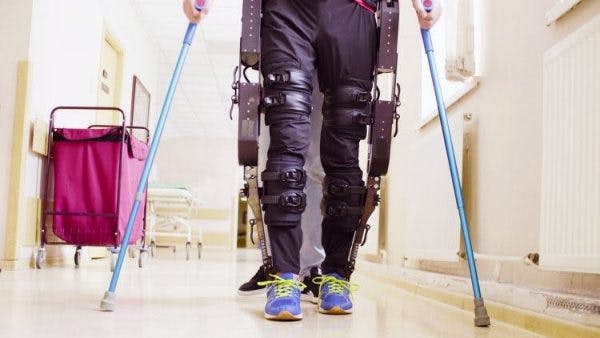
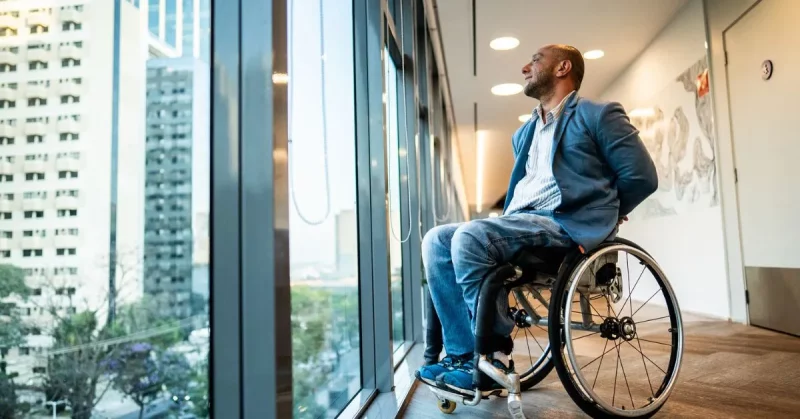

Recovering after a C5 spinal cord injury is about far more than physical healing. It can reshape daily routines, emotional well-being, relationships, and the way you envision your future.
During this time, many people look for practical ways to move forward, protect their health, and regain a sense of stability. While every recovery journey is different, certain habits, perspectives, and support systems can make the path easier to navigate.
This guide shares 27 practical tips to help you manage both the physical and emotional aspects of living with a C5 spinal cord injury. Whether you are early in recovery or further along the journey, these strategies are meant to support resilience, independence, and long-term well-being as you continue moving forward.
Let’s dive in!
1. Take Recovery One Day at a Time
Progress after a spinal cord injury is rarely linear. Some days may feel productive and encouraging, while others may feel exhausting or discouraging. Both types of days are a normal part of recovery and do not cancel each other out.
Focusing on the present day can make the process feel more manageable. Instead of measuring success by long-term outcomes, it can help to ask what is reasonable to work on today. Over time, these small daily efforts often add up in ways that are not immediately obvious.
2. Stay Consistent With Therapy, Even When Motivation Drops
Motivation naturally fluctuates during recovery. There will be periods when therapy feels purposeful and others when it feels repetitive or frustrating. Consistency matters more than motivation when it comes to building strength, skills, and endurance.
Even reduced or modified effort still supports progress. Showing up regularly reinforces routines and helps maintain gains made over time. On difficult days, doing something small is often better, both physically and emotionally, than doing nothing at all.
3. Advocate for Your Needs
You are the expert on how your body feels from day to day. If something causes pain, discomfort, or feels unsafe, it is important to speak up. Advocacy helps ensure that your therapy and care team are aligned with your needs, rather than working from assumptions.
Clear communication allows providers to adjust techniques, pacing, or equipment. Asking questions and sharing concerns supports safer and more effective recovery. Your voice plays an essential role in your care.
4. Set Realistic Short-Term Goals
Large recovery goals can feel overwhelming, especially early on. Breaking progress into smaller short-term goals creates a sense of direction without adding pressure. These goals might focus on endurance, comfort, or daily tasks rather than major milestones.
Short-term goals also provide opportunities to notice improvement. They help turn abstract progress into something tangible and achievable. Adjusting goals as your abilities change is a normal part of the process.
5. Celebrate Small Wins
Progress does not have to be dramatic to be meaningful. Improvements in balance, energy levels, efficiency, or comfort are all signs of growth. Many individuals choose to keep a daily journal to help recognize and celebrate these small accomplishments that otherwise may be overlooked.
Taking time to recognize small wins supports motivation and emotional health. Acknowledging effort reinforces that recovery is happening, even when it feels slow. Over time, these small improvements often create meaningful changes in daily life.
6. Pay Attention to Mental Health
Emotional challenges such as depression, anxiety, and grief are common after spinal cord injury. These responses are not a sign of weakness or failure. They reflect the reality of adjusting to significant life changes.
Mental health support can take many forms, including counseling, peer support, staying active and involved, or trusted conversations with loved ones.
7. Build a Routine
A predictable daily routine can make life feel more stable after a C5 spinal cord injury. Structure reduces the mental energy required to make decisions throughout the day. It can also create a sense of normalcy during an otherwise uncertain time.
Routines may include scheduled therapy, meals, rest, and leisure. While flexibility is still important, consistency can reduce stress and improve follow-through. Over time, routines help recovery feel more sustainable.
8. Learn About Your Injury
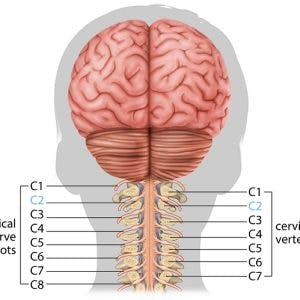
Understanding your C5 injury, the extent (complete vs incomplete), and how it affects movement and sensation can reduce uncertainty. Learning about possible complications and how to avoid them can also be beneficial. Knowledge helps you make informed decisions about therapy, equipment, and daily activities. It also allows you to participate more actively in your care.
9. Prioritize Sleep
Sleep plays a major role in healing, mood regulation, and energy levels after spinal cord injury. Poor sleep can intensify pain, fatigue, and emotional distress. When sleep is disrupted, daily tasks often feel harder to manage.
Addressing sleep issues may involve adjusting positioning, managing pain, or modifying routines. Even small improvements in sleep quality can have a noticeable impact. Rest is not optional during recovery.
10. Ask for Help Without Guilt
Needing help after a spinal cord injury does not mean losing independence. It means using available support to stay safe and conserve energy. Independence can coexist with assistance.
Accepting help can allow you to focus effort where it matters most.
11. Stay as Physically Active as Possible
Movement supports circulation, digestion, muscle health, and mental well-being. Even when mobility is limited, physical activity remains important. Activity can be adapted to your abilities and energy level. Assisted movement, therapeutic exercises, and posture changes all contribute to health.
12. Protect Your Skin
Reduced mobility and sensation increase the risk of developing pressure ulcers after a C5 spinal cord injury. Preventing pressure ulcers is far easier than treatment, therefore regular skin checks and pressure relief are essential habits. Skin breakdown can develop quickly if not monitored.
Establishing daily skin care routines helps protect long-term health.
13. Fuel Your Body With Balanced Nutrition
Nutrition supports healing, energy, and overall health. Adequate protein helps maintain muscle, while fiber supports digestion. In addition, proper hydration plays a role in circulation and bladder health.
Paying attention to nutrition supports recovery from the inside out, especially when small adjustments can make a meaningful difference.
14. Manage Energy Wisely
Fatigue is common after spinal cord injury and can affect both physical and mental performance. Pacing activities helps prevent exhaustion and frustration. Planning rest breaks before fatigue sets in can improve participation and that supports consistency in the long term.
Learning when to rest is a skill, not a setback.
15. Find Adaptive Tools That Work for You
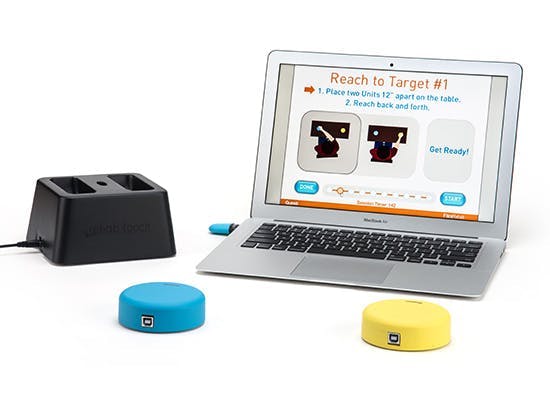
Adaptive equipment can increase independence and reduce physical strain. What works best will vary depending on personal needs and preferences. Tools may include mobility aids, universal cuffs, communication devices, or environmental controls.
Needs may change over time, and equipment can evolve with them. Remember, flexibility is key. Using adaptive equipment is about function and comfort, not limitation.
16. Be Patient With Bowel and Bladder Management
Bowel and bladder changes are often one of the hardest adjustments after a C5 spinal cord injury. This makes patience and consistency essential as you are working through your recovery.
Utilize your healthcare team to help identify strategies that fit your body and injury, but remember that improvement often happens gradually.
17. Maintain Social Connections
Social connection plays an important role in emotional health. Isolation after spinal cord injury can quietly increase stress, anxiety, and depression.
Remember that connection may look different than before injury. However, phone calls, virtual meetups, or small gatherings still matter.
18. Talk Openly About Fears and Frustrations
Recovery brings uncertainty, and fears often surface along the way. But, keeping emotions bottled up can increase stress and tension.
Talking openly allows emotions to be processed rather than carried alone.
Sharing does not require finding solutions.Just being able to have your voice heard can reduce emotional weight and support resilience.
19. Learn From Others With Spinal Cord Injury
Learning from others with spinal cord injury is invaluable during recovery because peer support offers insight that professionals cannot always provide. Others with spinal cord injury understand daily challenges in a practical way and their experiences can provide guidance and reassurance.
Learning from peers often helps normalize struggles. It can also offer realistic hope grounded in lived experience. Check out this spinal cord injury support group finder to learn what support is available in your area.
20. Accept That Identity May Shift
A spinal cord injury will likely change how you view your existing identity and your place in the world. Changes in roles, routines, and abilities often lead to mixed emotions that take time to process.
Accepting change does not mean losing who you were before. It means allowing your sense of self to expand and adapt.
21. Stay Engaged in Hobbies You Enjoy
Staying engaged in hobbies you enjoy can play an important role in recovery. Hobbies provide relief from constantly focusing on recovery and medical care, and can offer a sense of normalcy and purpose as well.
Many activities you enjoyed before the injury can be adapted in some way rather than abandoned. Look for ways to adapt and stay involved with your favorite activities.
22. Prepare for Emotional Ups and Downs
Grief and emotional waves can appear unexpectedly, even years after spinal cord injury. These moments do not mean progress has stopped. Rather, they reflect the long-term nature of adjustment.
Remember, emotional resilience grows through recognition, not avoidance. Ups and downs are part of recovery.
23. Protect Your Shoulders and Joints
After a cervical spinal cord injury, the shoulders and joints often take on much more work than they were originally designed for. Over time, this increased demand can lead to pain, inflammation, or overuse injuries if not addressed.
Learning to protect your shoulders with regular rest, stretching, and attention to early signs of discomfort can help preserve joint health, support long-term mobility, and maintain independence over time.
24. Allow Yourself to Rest Without Guilt
Rest is part of recovery, not a failure to try harder. Ignoring fatigue often leads to setbacks. Listening to your body supports sustainability.
Rest helps restore energy and focus. Allowing rest without guilt supports balance. Recovery requires both effort and restoration.
25. Keep Hope Grounded in Reality
Hope plays an important role in emotional resilience after a spinal cord injury, but it can become fragile when tied to unrealistic expectations. When hope depends on specific outcomes or timelines, setbacks can feel devastating.
Focus hope on effort, adaptation, and quality of life rather than specific physical outcomes. Acknowledge progress where it exists while accepting what cannot be controlled. This balance supports emotional stability and reduces disappointment during difficult periods.
26. Plan for the Future, but Live in the Present
Set aside specific time for planning medical care, accessibility needs, or long-term goals, then allow yourself to return attention to today. Focus on what can be done and experienced right now, even in small ways. Balancing preparation with presence helps protect emotional well-being while still honoring future needs.
27. Remember That Recovery Is More Than Physical
Recovery is often measured by strength, mobility, or functional milestones, but those are only part of the picture. Emotional resilience, confidence, adaptability, and self-trust play equally important roles.
Notice progress that goes beyond physical changes, such as improved coping skills, increased confidence, or greater comfort with daily routines. Focusing on the whole person helps build a recovery that feels sustainable and meaningful over time.
Final Thoughts
Recovery after a C5 spinal cord injury is a long and evolving process. It requires patience, support, and self-trust. Progress is not measured by speed or comparison, but by adaptation and persistence.
Each of these 27 tips reflects a piece of the recovery experience. Together, they offer guidance for navigating both the visible and invisible parts of healing.
We hope you enjoyed this article and subscribe to our newsletter for weekly articles just like this delivered straight to your inbox — subscribe here.