
Conduction Aphasia: Causes, Symptoms, and Treatment
Aphasia is a communication disorder that involves a loss of ability to understand or express speech after neurological injury. There are many types of aphasia,

Aphasia is a communication disorder that involves a loss of ability to understand or express speech after neurological injury. There are many types of aphasia,

Mixed transcortical aphasia is a severe form of aphasia that causes an inability to speak or understand others. It is similar to global aphasia in that it

Fluent aphasia is a type of cognitive communication disorder that may occur after a stroke or brain injury. Also known as receptive aphasia or Wernicke’s aphasia, fluent aphasia

Individuals experiencing foot drop often wonder, “can foot drop be cured without surgery?” The short answer is yes, it is possible to cure foot drop without

Individuals may utilize an intrathecal baclofen pump to treat spasticity after a neurological injury. While this method of treatment can provide long-term spasticity relief, it

Following a neurological injury, individuals experiencing muscle tightness and rigidity may benefit from spasticity treatment. Characterized by involuntary muscle contractions, spasticity is a condition that

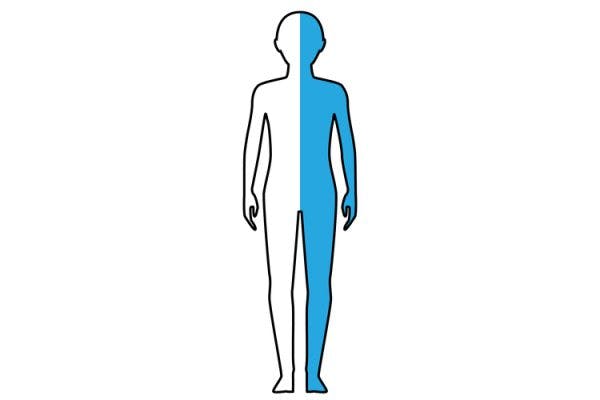
Right hemiplegia refers to paralysis of the right side of the body after injury to the brain or spinal cord. This can occur due to

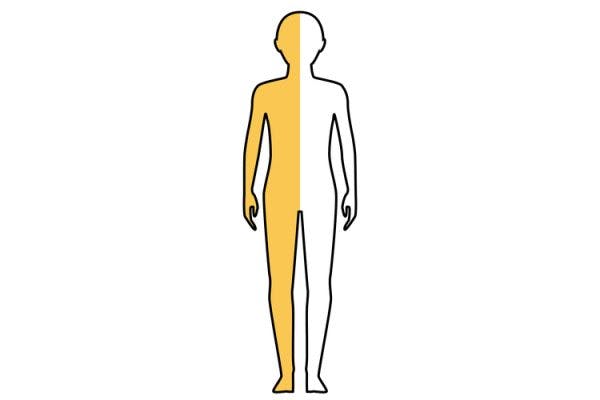
Left hemiplegia describes paralysis of the left side of the body due to neurological injury. This secondary effect commonly occurs following a stroke or traumatic

Massed practice is one of the most important concepts for recovering from a neurological injury. Almost all rehabilitation methods revolve around repetition, because this is

Foot drop is characterized by the inability to lift the front of the foot toward the shin, known as dorsiflexion. Fortunately, there are various types
Take the first step towards recovery.