











The DASH Diet and Stroke: How What You Eat Can Protect Your Brain
When it comes to preventing strokes, you often hear about lifestyle factors like exercise, avoiding smoking, managing stress and anxiety. But did you know that ...
Neuroplasticity and Spinal Cord Injury: How to Optimize Recovery
For a long time, it was believed that recovery after a spinal cord injury was not possible — but we were wrong. We now know ...

9 Best Apps for Brain Injury Patients That Promote Independence
Using mobile apps is an excellent way to work on recovery after brain injury from the comfort of your own home. There are hundreds of ...
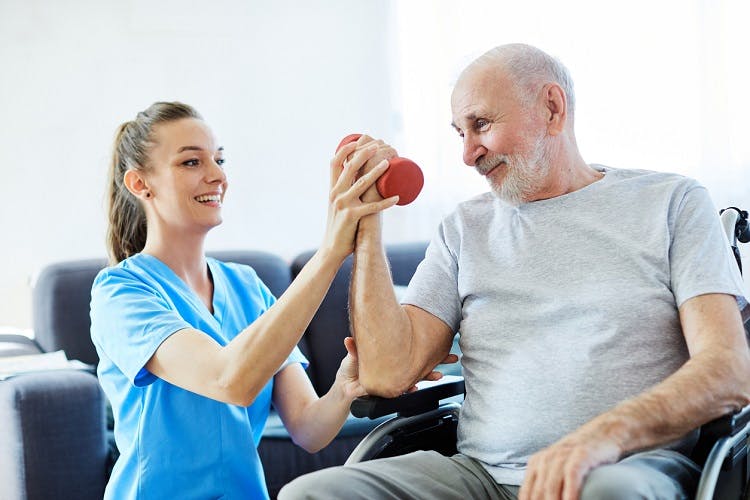
Spinal Cord Injury Paralysis: How to Maximize Your Chances of Recovery
Spinal cord injury paralysis, or loss of muscle function, occurs when the brain and spinal cord cannot communicate with the affected muscles in the body. ...
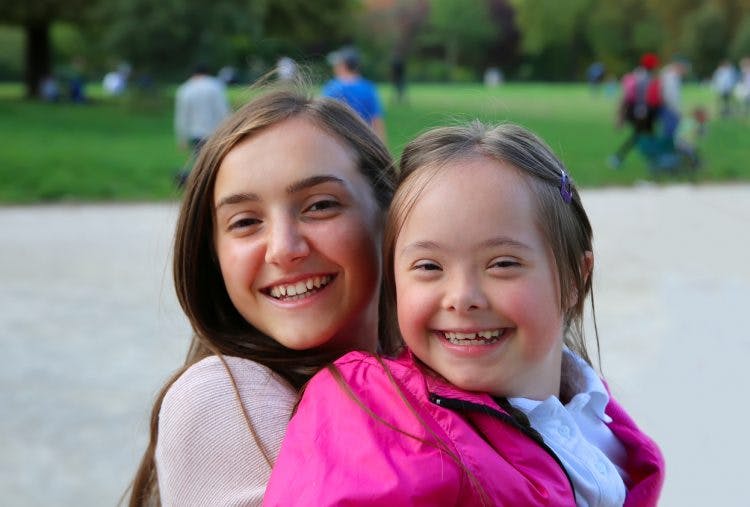
Cerebral Palsy and Down Syndrome: Comparing Causes, Effects, and Management
Cerebral palsy and Down syndrome are two very different conditions that both occur very early in life. Although rare, it’s even possible to have both ...

Executive Dysfunction After Brain Injury: Causes, Symptoms, and Rehabilitation
When the frontal lobe is damaged after a traumatic brain injury, survivors may experience what is known as executive dysfunction. Executive dysfunction is an umbrella ...

Learning to Read Again After Brain Injury: How to Improve Pure Alexia
Survivors may experience pure alexia after brain injury, which involves difficulty with reading. This usually occurs when a brain injury affects the posterior left hemisphere ...

Long-Term Effects of Mild Traumatic Brain Injury: Understanding the Potential Aftermath
Long-term effects of mild traumatic brain injury can be physical, cognitive, and/or emotional. Symptoms such as dizziness or depression can last for a few months or sometimes even years ...

Tics After Head Trauma: Causes, Diagnosis, and Treatment
Tics after head trauma can cause a person to make sudden, repetitive movements or vocalizations. These movements are involuntary, although they do not always appear ...

Cerebral Palsy and Incontinence: What’s the Link?
Incontinence (difficulties controlling bowel and bladder movements) in children with cerebral palsy is very common. Most individuals with cerebral palsy eventually learn to avoid bowel ...

PTSD After Stroke: How to Identify It & Seek Treatment
Post-traumatic stress disorder, or PTSD, is often associated with military combat. However, PTSD can also occur after a stroke in some survivors — because they ...

Coffee and Stroke Risk: Comparing the Benefits & Drawbacks
Studies examining the link between coffee and stroke have had mixed results. While most of the evidence seems to indicate that coffee can actually help ...
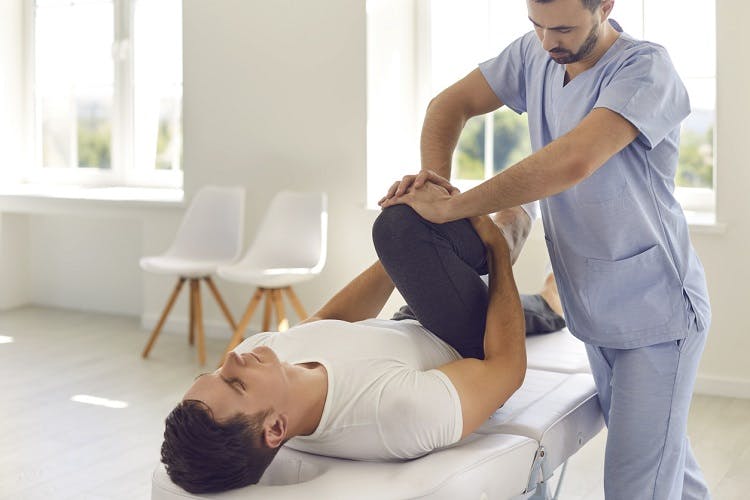
Spasticity After Spinal Cord Injury: Causes, Effects, and Management
About 67-78% of individuals experience some degree of spasticity after spinal cord injury. Spasticity after SCI describes involuntary muscle contractions caused by disrupted signals between ...

Aging with Cerebral Palsy: What to Expect As You Get Older
When aging with cerebral palsy, individuals tend to be more susceptible to complications than individuals without disabilities. Cerebral palsy is nonprogressive, meaning that the initial ...
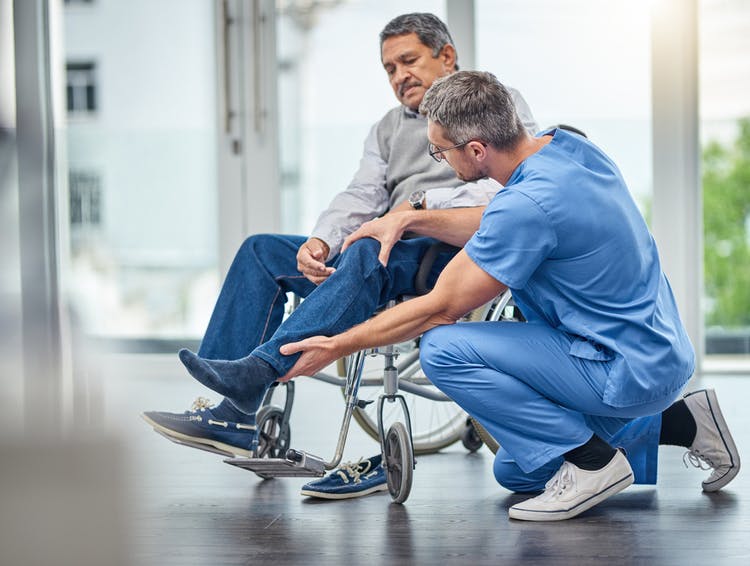
Pain After Spinal Cord Injury: Why it Happens & How to Relieve It
Pain after spinal cord injury is common, affecting up to 80% of SCI patients. Normally, sensations travel from the body, through the spinal cord, and to the ...

Neuropathy After Stroke: Understanding & Treating Nerve Pain
Stroke is a serious, life-changing injury that can result in a wide variety of secondary effects. Among these secondary effects is nerve pain, or neuropathy. ...

Understanding Complete Paraplegia Recovery: What to Expect
Paraplegia is a medical term that refers to paralysis of the lower limbs as a result of damage to the spinal cord. Complete paraplegia occurs ...
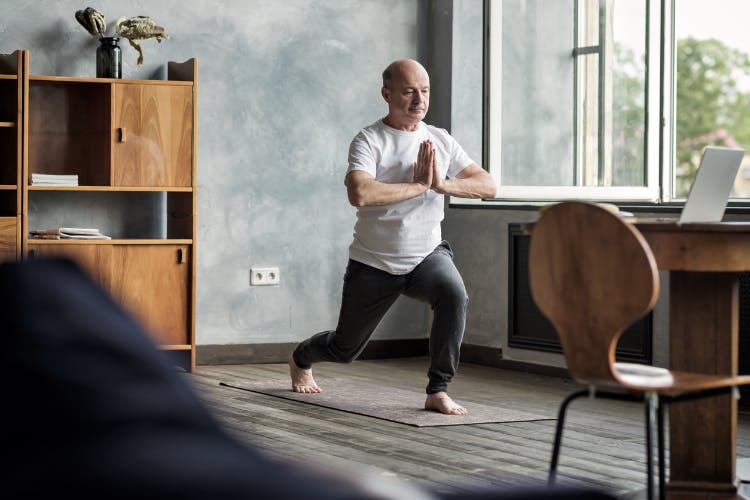
9 Best Yoga Poses for Brain Injury Patients
Certain yoga poses for brain injury patients offer a gentle, therapeutic alternative to traditional exercises. Even if you have limited movement or balance, you can ...