
Apraxia After Brain Damage: Understanding the Causes, Types, & Treatments
Apraxia is a neurological disorder that interferes with the ability to properly execute a movement. This can make it challenging for an individual to perform

Apraxia is a neurological disorder that interferes with the ability to properly execute a movement. This can make it challenging for an individual to perform

After sustaining a traumatic brain injury (TBI), survivors may experience feelings of sadness, hopelessness, or prolonged fatigue, which are all common symptoms of depression. It


Feeling cold after head injury is not uncommon and can be a secondary effect from head trauma. This does not apply to feeling cold when

Twitching after head injury can indicate a post-traumatic movement disorder such as tremors, myoclonus, or spasticity. However, twitching can also be a positive sign of

Numbness after head injury is most commonly associated with damage to the somatosensory cortex, an area of the brain responsible for processing sensory information such

Aggressive behavior after brain injury is often a direct result of damage to the areas of the brain responsible for emotion and behavior, such as

Extreme fatigue after brain injury is a common but frustrating problem for many TBI survivors. Not only can it make everyday activities more challenging to

Survivors may experience pure alexia after brain injury, which involves difficulty with reading. This usually occurs when a brain injury affects the posterior left hemisphere

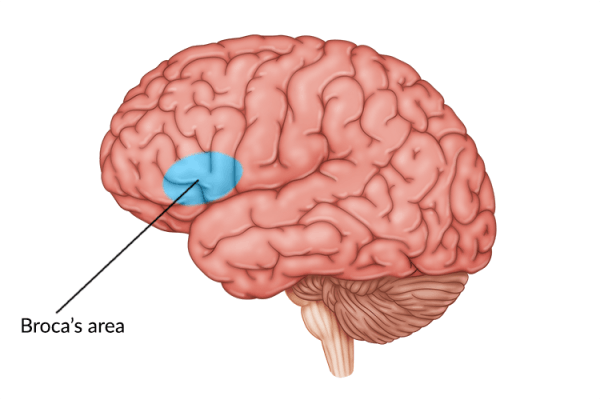
Damage to Broca’s area, a small region located in the frontal lobe, can lead to a speech disorder known as Broca’s aphasia or expressive aphasia.

Tremors after brain injury, also known as post-traumatic tremors, are a rare side effect of TBI. They mostly occur after damage to the cerebellum. Sometimes,
Take the first step towards recovery.