
A stroke can change everyday life in an instant. Tasks that once felt simple, like eating, dressing, or holding objects, may suddenly become difficult or even impossible. For many survivors, the recovery journey involves rebuilding strength, coordination, and confidence one small step at a time.
For Wilson, that journey began after a stroke that significantly affected his mobility and ability to perform daily tasks. With the support of his family and consistent rehabilitation, he began working toward regaining independence.
One tool that played an important role in his recovery was MusicGlove, a hand therapy device designed to improve finger coordination through interactive exercises.
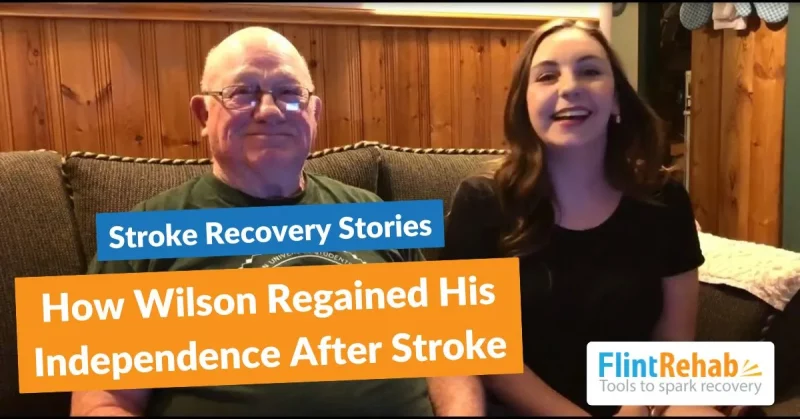
Below, we will hear from both Wilson and his daughter about his recovery journey and how the MusicGlove helped support his progress over time.
A Stroke That Changed Daily Life
Wilson experienced a stroke about 14 months ago, and the effects were immediate.
Like many stroke survivors, he lost some mobility and coordination in his hand which made everyday activities far more challenging.
Before the stroke, tasks like eating or handling objects were routine while afterward, those same tasks required much more effort.
For stroke survivors, these changes can be frustrating and discouraging. Hands are essential for independence, and losing control of them can impact nearly every aspect of daily life.
However, Wilson’s family was determined to support his recovery in every way possible.
The Importance of Family Support During Recovery
Wilson’s daughter Danielle has been closely involved in helping him throughout his rehabilitation journey.
Family support can play a powerful role in recovery. Encouragement, patience, and involvement from loved ones can help survivors stay motivated and consistent with therapy.
Danielle helped guide her father through his exercises and shared his progress along the way. Together, they worked to find tools that could help improve his hand function.
Eventually, Wilson received MusicGlove as a Christmas gift, which became a new addition to his therapy routine.
Introducing MusicGlove Into Wilson’s Therapy Routine
MusicGlove is a rehabilitation device designed to help survivors practice hand and finger movements through music-based exercises.
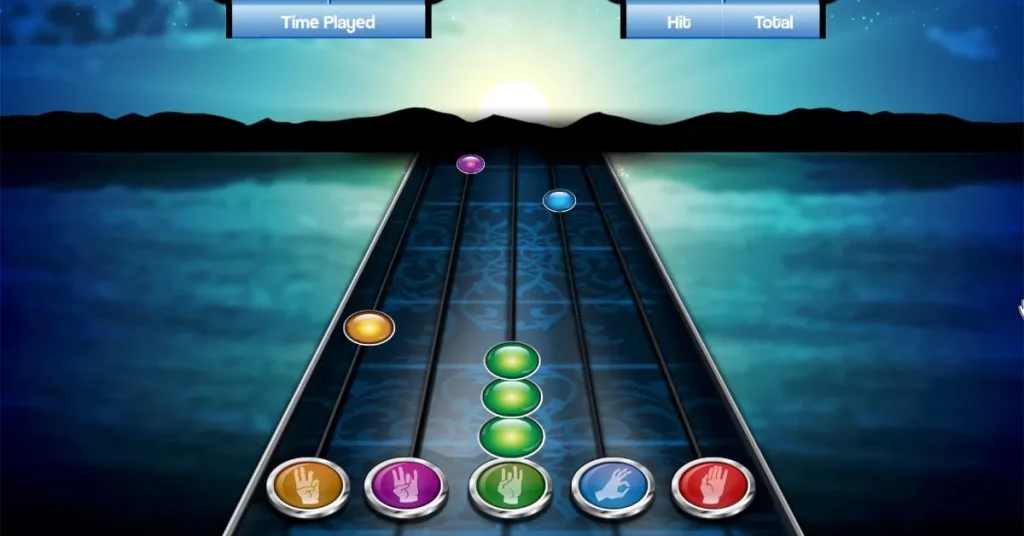
The glove contains sensors that detect when specific fingers touch the thumb. During therapy sessions, users match these finger movements to notes that appear on a screen in time with music.
This interactive format turns traditional hand therapy into a more engaging experience.
Instead of repeating exercises without feedback, users receive immediate visual and audio responses when they perform the movements correctly.
For many survivors, this makes therapy feel more motivating and enjoyable.
Seeing Improvements Within Weeks
After Wilson began using MusicGlove regularly, his family quickly noticed something encouraging.
Within about three weeks, he started seeing improvements in his hand movement.
This early progress helped build confidence and motivation to keep practicing.
Rehabilitation often requires consistent repetition over time, but even small improvements can provide a powerful sense of hope.
Wilson continued using MusicGlove regularly, and over the next several months, his coordination gradually improved.
Seven Months of Consistent Practice
By the time Danielle shared their story, Wilson had been using MusicGlove for about seven months.
During that time, he continued practicing the exercises regularly, which helped strengthen the connection between his brain and hand.
Repetition is one of the most important elements of neurological recovery. Each time the hand performs a movement, the brain receives feedback that helps reinforce neural pathways.
Over time, these repeated movements can improve coordination and functional control.
For Wilson, this meant something very meaningful.
He began finding that daily activities were becoming easier again.
Regaining Independence in Everyday Tasks
One of the biggest goals in stroke rehabilitation is restoring independence.
Being able to perform simple daily tasks without assistance can significantly improve confidence and quality of life.
After months of practicing with MusicGlove, Wilson noticed that many of his daily activities were becoming easier to manage.
Movements that once felt difficult or frustrating started to feel more natural again.
These types of improvements may seem small at first, but for stroke survivors, they represent important milestones on the road to recovery.
A Tool Worth Recommending
When asked whether he would recommend MusicGlove to others recovering from stroke, Wilson did not hesitate.
His answer was simple and clear: yes.
For survivors who struggle with hand coordination after stroke, structured exercises can help provide the repetition needed to support neurological recovery.
Devices like MusicGlove guide those exercises in a way that keeps users engaged while encouraging consistent practice.
The Value of Supportive Customer Service
Wilson’s family also wanted to highlight another part of their experience with Flint Rehab.
Danielle shared that her mother was responsible for communicating with the company during the purchasing process and while learning how to use the device.
She expressed appreciation for the support they received.
According to their family, the customer service experience was exceptional, helping them feel supported throughout the process.
Having clear guidance and responsive support can make a big difference for families navigating rehabilitation tools.
Why Hand Therapy Matters After Stroke
Hand function is essential for independence and daily living.
Many stroke survivors experience weakness or coordination challenges in the hand, which can affect their ability to perform tasks such as:
- Eating meals
- Holding objects
- Writing
- Using utensils
- Drinking from a cup
Rehabilitation exercises help retrain the brain to control these movements again.
MusicGlove encourages high-repetition hand exercises that focus on finger coordination and grasp patterns. These movements are directly related to the functional tasks people use every day.
Encouragement for Stroke Survivors and Families
Recovery after stroke takes time, patience, and persistence.
There will be days that feel encouraging and days that feel frustrating. However, consistent practice and strong support systems can help survivors continue moving forward.
Wilson’s story highlights the importance of family encouragement, regular therapy, and tools that make rehabilitation easier to stick with.
Even small improvements can build confidence and lead to greater independence over time.
Learn More About MusicGlove
MusicGlove is a home therapy device designed to help stroke and brain injury survivors improve hand coordination through music-based exercises.
By combining repetition, rhythm, and interactive feedback, the device helps encourage the type of practice that supports neurological recovery.
For survivors working to regain hand function, adding structured hand therapy at home can provide additional opportunities to strengthen movement and coordination.
Recovery is a journey made up of many small steps. With persistence, support, and the right tools, those steps can lead to meaningful progress.
Click here to learn more about the MusicGlove
Here are some additional articles around hand therapy that you might also be interested in:
Improve Your Hand Function and Increase Strength with These 39 Hand Therapy Exercises to Try at Home
Helpful Hand Therapy Putty Exercises + Free PDF
8 Stretching Exercises for Hand Spasticity After Stroke To Increase Mobility
Watch Wilson’s full story here: https://youtu.be/htWgeEjeWsI