

Numbness after stroke is a common side effect that can be both frustrating and disorienting. It generally involves a loss or change in sensation to certain areas of the body. However, many survivors may also notice unusual sensations like tingling, burning, pain, or even heightened sensitivity to touch.
For some people, these symptoms gradually improve on their own as the brain begins to heal while others may continue to experience numbness long after the initial stroke.
In this article, we’ll walk through why numbness happens after stroke, what it can feel like, and most importantly what your options are for treating numbness after stroke to regain sensation.
Let’s jump in!
Table of contents
What Causes Numbness After Stroke?
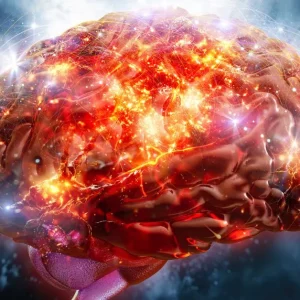
To understand numbness after stroke, it can be helpful to review how a stroke affects the body. Simply put, a stroke occurs when blood flow in the brain becomes disrupted, either due to ischemic stroke or hemorrhagic stroke.
And when brain cells become deprived of oxygen-rich blood, they begin to die.
The result is tissue damage in the affected areas of the brain, causing those areas to lose their important functions. In other words, the area of the brain affected by stroke determines the secondary effects that occur. For example, if an area of the brain that helps regulate sensation is affected, this may result in numbness or other sensory impairments.
When it comes to numbness after a stroke, there are 3 main areas of the brain that we will take a deeper look at. These are the thalamus, the parietal lobe, and the occipital lobe.
Thalamus: The Brain’s Sensory Relay Center
The thalamus plays a central role in processing sensation by acting as the brain’s primary relay station. Nearly all sensory signals such as touch, temperature, and pain pass through the thalamus before being sent to other areas for interpretation. When a stroke affects this region, these signals can become disrupted or distorted, often leading to numbness, tingling, or unusual sensory experiences.
Parietal Lobe: Where Sensation Becomes Awareness
The parietal lobe contains the somatosensory cortex, the area responsible for helping you recognize and interpret physical sensations. This is where the brain makes sense of input from sensory nerves, allowing you to feel pressure, texture, and position. Damage to the parietal lobe can make it difficult to accurately perceive sensations, which may result in numbness or reduced awareness of the affected body parts.
Occipital Lobe: Integrating Sensory Information
While the occipital lobe is primarily known for processing visual information, it also contributes to how the brain integrates sensory input from multiple sources. This helps create a more complete understanding of your environment. When affected by stroke, this integration process can be disrupted, which may indirectly influence how sensations like touch are perceived and interpreted.
Because these 3 key areas of the brain play such a large role in sensory function, post stroke numbness is most commonly scene after thalamic stroke, parietal lobe stroke, or occipital lobe stroke. However, even when these regions are not directly affected numbness can still occur. In some cases, other parts of the brain may misinterpret sensory signals after stroke leading not only to numbness but also to hypersensitivity or unusual sensations.
If you’re experiencing changes in sensation, it’s extremely important to discuss them with your therapy team so they can guide your recovery. At the same time, be aware that sudden or new numbness or tingling can be a warning sign of a medical emergency that requires immediate attention.
Learn to recognize the common warning signs of stroke (face drooping, weakness of limbs, speech difficulties, etc.) and seek immediate medical attention if they occur.
How Long Does Numbness Last After Stroke?
One of the most common questions after a stroke is: “How long will this numbness last?”
The honest answer is that it depends. Stroke recovery is highly individualized, and the timeline for regaining sensation can vary based on factors like the location of the stroke, its severity, and how consistently rehabilitation is pursued.
Research shows that the brain is especially responsive to therapy in the early stages of recovery. However, this early progress can look different for everyone. Some may experience steady improvement, while others notice only small changes at first.
However, while many survivors make the fastest progress within the first few months, studies also suggest that recovery can plateau if rehabilitation is not continued long term. In fact, some individuals may see little additional improvement years later without ongoing therapy highlighting the importance of staying consistent with rehabilitation efforts.
When Numbness Persists
If numbness does not fully resolve during the early stages, it may last longer but that does not mean recovery has stopped. Persistent numbness often indicates that the brain needs additional input and practice to relearn how to process sensory signals. This is where consistent rehabilitation becomes especially important.
Engaging in consistent, high-repetition therapy can help stimulate the brain and encourage further recovery. The more you actively work on retraining sensation, the more opportunities your brain has to adapt.
Just remember, even if it has been months or years since your stroke, improvement is still possible. The brain has a lifelong ability to reorganize itself, known as neuroplasticity. While progress may slow over time, it can continue as long as you keep challenging your brain with targeted exercises.
Can Numbness Come and Go After Stroke?
Yes, numbness after stroke can sometimes come and go. Fluctuating sensation is actually quite common during recovery and is often a sign that the brain is actively trying to reorganize and heal.
Why Numbness May Fluctuate
After a stroke, the brain’s ability to process sensory signals can be inconsistent. As neural pathways begin to repair and reroute, signals may be interpreted differently from day to day or even hour to hour.
This can cause numbness to:
- Improve temporarily, then return
- Shift in intensity (mild one day, more noticeable the next)
- Feel different depending on activity levels or time of day
Factors That Can Affect Sensation
Several factors can influence whether numbness feels better or worse at any given time:
- Fatigue: When the brain is tired, sensory processing can become less efficient
- Stress: Increased stress can heighten or distort sensory perception
- Activity level: Using the affected area more can sometimes temporarily increase awareness—or fatigue it
- Temperature and circulation: Cold environments or reduced blood flow may make numbness feel more pronounced
When to Be Concerned
That said, there are times when numbness should not be ignored. If you experience:
- Sudden, severe numbness that feels different from your usual symptoms
- Numbness accompanied by weakness, facial drooping, or speech changes
- A rapid change in sensation that does not improve
Seek medical attention immediately, as these could be signs of another stroke or medical emergency.
Recovery from numbness after stroke is rarely a straight line. There may be periods of quick progress, followed by slower phases. What matters most is staying consistent, patient, and proactive in your rehabilitation.
In the next section, we’ll explore specific treatments and exercises that can help stimulate sensation and support your recovery journey.
How To Treat Numbness After Stroke With 6 Proven Strategies
Treating numbness after stroke focuses on retraining the brain to recognize and interpret sensory signals again. Because numbness is often caused by disrupted communication between the brain and body, recovery is less about “waking up” the nerves and more about helping the brain relearn how to process sensation through consistent, targeted practice.
Let’s take a look at 6 research backed strategies to help you treat numbness after stroke and start to move toward regaining sensation.
1. Sensory Reeducation Exercises
One of the most effective ways to improve numbness is through sensory reeducation. This involves repeatedly exposing the affected area to different types of stimulation to help the brain rebuild its understanding of touch.
Examples include:
- Gently rubbing different textures (soft cloth, rough fabric, sponge) on the skin
- Identifying objects without looking (like coins or keys)
- Alternating between hot and cold sensations (with caution)
Over time, these exercises can help strengthen the brain’s ability to interpret sensory input more accurately.
Although sensory retraining exercises can be exceptionally difficult initially (especially if there is no sensation), the goal is to slowly rewire the brain through repetitive stimulus. Your physical therapist or occupational therapist can provide more information about sensory retraining exercises to improve numbness or other sensory impairments.
Learn More About Sensory Retraining After Stroke
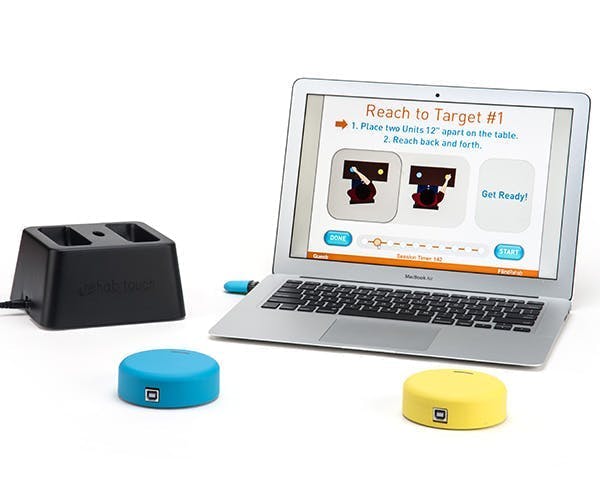
2. Repetitive Task Practice
Repetition is essential for recovery. Performing the same movements or activities over and over helps reinforce neural pathways and encourages the brain to adapt.
This might include:
- Practicing grasp and release movements
- Using therapy tools designed for high-repetition exercise
- Completing daily tasks like buttoning a shirt or holding utensils
The key is consistency and volume the more repetitions, the stronger the signal to the brain.
Learn More About Repetitive Task Training
3. Mirror Therapy
Mirror therapy is a simple but powerful technique that uses visual feedback to “trick” the brain into thinking the affected limb is moving and feeling normally. By placing a mirror so that it reflects the unaffected side, the brain activates the mirror neuron system and begins to re-engage the sensory and motor areas linked to the numb side. This can help improve both movement and sensation over time.
Mirror therapy is commonly used to promote motor recovery in the hand after a stroke, especially when hand movement is severely affected. This makes it a great rehabilitation method for post-stroke hand paralysis. With time, survivors may notice an improvement in numbness and hand function as neural pathways become stronger.
Learn More About Mirror Therapy
4. Electrical Stimulation
In some cases, therapists may use electrical stimulation to activate the affected muscles and sensory nerves. This can help increase awareness of the limb and provide additional input to the brain, which may support sensory recovery when combined with active therapy.
For example, survivors with neuropathy after stroke or central post-stroke pain can experience improvement in numbness and pain by using electrical stimulation.
E-stim works by providing gentle stimulation to the nerves and muscles and can help engage neural pathways between the brain and limbs. This has been shown to help reduce painful symptoms, which can subsequently improve quality of life.
If you are interested in trying electrical stimulation, talk with your therapy team. There are certain conditions that can make e-stim unsuitable or potentially even dangerous for some individuals.
Learn More About Electric Stimulation (e-stim) After Stroke
5. Desensitization Techniques
If numbness is accompanied by hypersensitivity, discomfort, or even pain, desensitization exercises can be especially helpful. After a stroke, the brain may misinterpret sensory signals, causing certain textures or touches to feel overly intense or unpleasant. Desensitization works by gradually reintroducing these sensations in a controlled and repetitive way, helping the brain “turn down” its response over time.
This process typically starts with gentle, tolerable stimuli such as soft fabrics or light touch and slowly progresses to more varied textures and pressures as tolerance improves. For example, you might begin by brushing the area with a soft cloth, then gradually work up to rougher materials or different temperatures.
Consistency is key. Short, frequent sessions throughout the day are often more effective than longer, occasional ones. Over time, this repeated exposure helps retrain the brain to interpret sensory input more accurately, reducing discomfort and making everyday touch feel more normal again.
6. Functional Use in Daily Life
One of the most overlooked but powerful forms of therapy is simply using the affected area as much as possible. Everyday activities provide meaningful sensory input that helps the brain relearn naturally.
Try to incorporate the affected limb into:
- Eating, dressing, and grooming
- Household tasks like cooking or cleaning
- Hobbies that involve touch and coordination
By consistently practicing as much as possible outside traditional therapy or treatment, individuals can improve their chances and the speed at which sensation returns.
A Note on Safety and the Importance of Rehabilitation
Treatment for numbness after stroke should be taken seriously because the inability to feel poses certain risks. For example, cooking can be difficult and dangerous when you cannot feel your affected arm. If you aren’t paying close attention, you run the risk of accidentally brushing up against the stove or a boiling pot and burning yourself without realizing it.
Getting dressed provides another example. If you cannot feel your affected leg or foot, you run the risk of fastening your shoe too tightly. In turn, this can lead to abrasions or wounds and poses an infection risk. Therefore, if you struggle with numbness after stroke, it’s important to be cautious of your affected side at all times.
Seek help from an occupational therapist who can help you get started with sensory retraining and encourage the return of sensation after stroke. They can also provide different tips and techniques to maximize your safety as you perform your activities of daily living.
Regaining Sensation After Stroke: What to Remember
Numbness and heightened sensitivity after stroke can feel frustrating and unpredictable, but they are often signs that the brain is actively healing and reorganizing. While recovery may not be linear, progress is still possible even months or years later.
The key is consistent/regular practice, using the affected area in daily life, and following your therapy plan to help retrain the brain and improve sensation over time.
Most importantly, be patient with yourself and stay mindful of safety, as reduced sensation can increase the risk of injury. With persistence and the right approach, meaningful improvement is always within reach.
We hope this article has helped explain numbness after stroke and subscribe to our newsletter for weekly articles just like this delivered straight to your inbox — subscribe here.