

Numbness after stroke is a common side effect that can be both confusing and disorienting.
It generally involves a loss or change in sensation to certain areas of the body, for example your hand may feel asleep, your arm can feel heavy/like it doesn’t belong to you, or you might be able to move your fingers but not tell what you’re holding.
For some people, these symptoms gradually improve on their own as the brain begins to heal while others may continue to experience numbness long after the initial stroke. And because sensation is how your brain steers movement this can make everyday tasks dangerous or feel clumsy even when your strength is fine.
The good news is that sensation can improve and in this article we will walk through everything you need to know about numbness after stroke including why it happens, what it can feel like, some rough timelines, and most importantly your options for treating numbness after stroke to regain sensation.
Let’s jump in!
Table of contents
- What Causes Numbness After Stroke?
- What Does Numbness After Stroke Feel Like?
- Are Numb Lips, Face, or Tongue a Sign of Stroke?
- Which Side of the Body Goes Numb With a Stroke?
- Why Numbness Affects Movement Even When You’re Strong
- How Long Does Numbness Last After Stroke?
- Can Numbness Come and Go After Stroke?
- How to Treat Numbness After Stroke With 6 Proven Strategies
- When It’s Pain, Not Numbness
- Staying Safe With Numbness or Reduced Sensation After you Stroke
- Regaining Sensation After Stroke: What to Remember
- Additional Resources for Numbness After Stroke
What Causes Numbness After Stroke?
To understand numbness after stroke, it can be helpful to review how a stroke affects the body. Simply put, a stroke occurs when blood flow in the brain becomes disrupted, either due to ischemic stroke or hemorrhagic stroke.
And when brain cells become deprived of oxygen-rich blood, they begin to die.
The result is tissue damage in the affected areas of the brain, causing those areas to lose their important functions. In other words, the area of the brain affected by stroke determines the secondary effects that occur. For example, if an area of the brain that helps regulate sensation is affected, this may result in numbness or other sensory impairments.
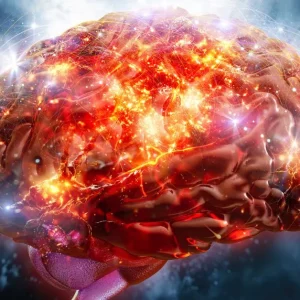
When it comes to numbness after a stroke, there are 3 main areas of the brain that we will take a deeper look at. These are the thalamus, the parietal lobe, and the occipital lobe.
Thalamus: The Brain’s Sensory Relay Center
The thalamus plays a central role in processing sensation by acting as the brain’s primary relay station. Nearly all sensory signals such as touch, temperature, and pain pass through the thalamus before being sent to other areas for interpretation. When a stroke affects this region, these signals can become disrupted or distorted, often leading to numbness, tingling, or unusual sensory experiences.
Parietal Lobe: Where Sensation Becomes Awareness
The parietal lobe contains the somatosensory cortex, the area responsible for helping you recognize and interpret physical sensations. This is where the brain makes sense of input from sensory nerves, allowing you to feel pressure, texture, and position. Damage to the parietal lobe can make it difficult to accurately perceive sensations, which may result in numbness or reduced awareness of the affected body parts.
Occipital Lobe: Integrating Sensory Information
While the occipital lobe is primarily known for processing visual information, it also contributes to how the brain integrates sensory input from multiple sources. This helps create a more complete understanding of your environment. When affected by stroke, this integration process can be disrupted, which may indirectly influence how sensations like touch are perceived and interpreted.
Because these 3 key areas of the brain play such a large role in sensory function, post stroke numbness is most commonly scene after thalamic stroke, parietal lobe stroke, or occipital lobe stroke. However, even when these regions are not directly affected numbness can still occur. In some cases, other parts of the brain may misinterpret sensory signals after stroke leading not only to numbness but also to hypersensitivity or unusual sensations.
An Important Note to Understand About Numbness After Stroke is The “Hardware” Usually Still Works
One important thing to note about numbness after stroke is the sensors in your skin and joints often work just fine. The problem is usually upstream in the brain’s ability to receive, organize and interpret the signal.
Think of it like a computer. The hardware in your hand is still intact but the software in the brain that needs retraining.
This is good news because you can retrain the “software” through practice with a process called neuroplasticity.
Before we move on, remember that if you’re experiencing changes in sensation it’s extremely important to discuss them with your therapy team so they can guide your recovery. Be aware that sudden or new numbness or tingling can be a warning sign of a medical emergency that requires immediate attention. You can learn more about how to recognize the common warning signs of stroke (face drooping, weakness of limbs, speech difficulties, etc.) and seek immediate medical attention if they occur.
What Does Numbness After Stroke Feel Like?
For many individuals, numbness after stroke doesn’t always feel “numb.” For example, you might feel like:
- “My hand feels asleep.”
- “I can feel something, but it doesn’t feel normal.”
- “My arm feels heavy, like it’s not connected to my body.”
- “Hot and cold don’t feel right.”
- “I can move my hand, but I can’t tell what I’m touching.”
If any of these sound familiar, you’re far from alone as research suggests that up to 80% of people who have a stroke experience sensory loss in their affected arm.
The 6 Types of Sensation a Stroke Can Affect
Sensation isn’t just one single ability and after a stroke you can have one affected while leaving the others intact. The six types of sensation a stroke can affect include:
- Light touch: can you feel something brushing your skin?
- Pressure: can you tell how firmly something is pressing?
- Temperature: can you tell warm from cool?
- Pain: do you feel pain too little, or too much, even from a light touch?
- Proprioception: can you tell where your arm or leg is without looking? (Learn more about proprioception after stroke.)
- Sensory discrimination: can you tell two textures or objects apart by feel alone?
Why does this matter? In a study that followed 70 people for six months after their first stroke, different types of sensation were often affected differently even in the same hand. And knowing which type is affected can help you and your therapist choose the right practice to regain sensation.
Are Numb Lips, Face, or Tongue a Sign of Stroke?
Yes, numb lips, face, or tongue can be a sign of a stroke.
Sudden numbness or weakness in the face, arm, or leg (especially on one side of the body) is a key warning sign of stroke. So if you or someone else suddenly notices numb lips, a numb tongue, or one side of the face going numb or drooping, call 911 right away.
Use the acronym B.E. F.A.S.T. to check while you wait for help.
- Loss of Balance
- Changes in the Eyes
- Face drooping
- Arm weakness
- Speech trouble
- Time matters
After a stroke, numbness in the face, lips or tongue can also linger as part of recovery with it usually affecting the same side as other sensory changes. The key differentiator on when to immediately call for help is any sudden change as that is not a normal part of recovery.
Review the early stroke warning signs with your family so everyone knows what to look for.
Which Side of the Body Goes Numb With a Stroke?
Numbness after stroke usually affects the side of the body that is opposite the side of the brain where the stroke took place. That’s because each side of the brain mainly controls the opposite side of the body.
- A stroke in the left hemisphere often causes numbness symptoms on the right side.
- A stroke in the right hemisphere often causes numbness symptoms on the left side.
The numbness after stroke may affect a number of areas like the face, arm and leg together or just one area like the hand.
Why Numbness Affects Movement Even When You’re Strong
Strength and sensation are two different systems and you can have one without the other. Strength asks, “Can I move it?” while sensation asks, “Can I feel what’s happening to it?”
Think about movement like a loop: move, feel, adjust, repeat. When the “feel” step is broken it becomes difficult to adjust and repeat which is sort of like your brain trying to steer without feedback. This results in clumsy or effortful movement even when your muscles are strong because your brain is essentially trying to adjust in the dark.
In daily life, this reduced feedback might show up as:
- Gripping objects too tightly or not tightly enough
- Dropping things without noticing they are slipping
- Trouble placing your foot accurately when walking
- Needing to watch your hand or leg constantly as it moves
- Poorer balance after stroke
An unfortunate side effect of this is many survivors start to avoid their affected side because it feels clumsy which results in the brain getting less practice and movement becoming even worse over time.
Learn more about Learned Nonuse After Stroke: When Survivors Neglect Their Affected Side
How Long Does Numbness Last After Stroke?
One of the most common questions after a stroke is: “How long will this numbness last?”
The honest answer is that it depends. Stroke recovery is highly individualized and the timeline for regaining sensation can vary based on factors like the location of the stroke, its severity, and how consistently rehabilitation is pursued.
Research shows that the brain is especially responsive to therapy in the early stages of recovery. However, this early progress can look different for everyone. Some may experience steady improvement, while others notice only small changes at first.
However, while many survivors make the fastest progress within the first few months, studies also suggest that recovery can plateau if rehabilitation is not continued long term. In fact, some individuals may see little additional improvement years later without ongoing therapy highlighting the importance of staying consistent with rehabilitation efforts.
When Numbness Persists
If numbness doesn’t fully resolve itself early on that doesn’t mean recovery has stopped. Persistent numbness after stroke often indicates that the brain needs additional input and practice to relearn how to process sensory signals. This is where consistent rehabilitation becomes especially important because recovery can plateau when rehabilitation isn’t continued.
Engaging in consistent, high-repetition therapy can help stimulate the brain and encourage further recovery and is the best way to prevent a plateau during stroke recovery. Simply put, the more you actively work on retraining sensation, the more opportunities your brain has to adapt/rewire (a process known as neuroplasticity).
One final positive note, the 2026 American Heart Association/American Stroke Association guideline for stroke rehabilitation reports that active sensory training has been successful both 3 to 6 months after stroke and in the chronic phase which is long after the first few months.
In other words, it’s worth continuing to work on sensation if you are dealing with numbness even if your stroke was years ago.
Can Numbness Come and Go After Stroke?
Yes, numbness after stroke can sometimes come and go. Fluctuating sensation is actually quite common during recovery and is often a sign that the brain is actively trying to reorganize and heal.
You might notice numbness that:
- Improves for a while, then returns
- Feels mild one day and stronger the next
- Changes with activity level or time of day
Several factors can make numbness feel better or worse:
- Fatigue: a tired brain processes sensory signals less efficiently.
- Stress: stress can heighten or distort what you feel.
- Muscle tone: days with more stiffness or spasticity can change how a limb feels, including making a leg feel heavier.
- Activity level: using the limb more can boost awareness for a while, or tire it out.
- Temperature: cold rooms can make numbness feel more noticeable.
When to be concerned: if numbness is sudden, severe, different from your usual symptoms, or comes with weakness, facial drooping or speech changes, call 911 as these can be signs of another stroke.
Remember that recovery from numbness after stroke is rarely a straight line. There may be periods of quick progress, followed by slower phases but what matters most is staying consistent, patient, and proactive in your rehabilitation.
Now, we’ll explore some specific treatments and exercises that can help stimulate sensation and support your recovery journey.
How to Treat Numbness After Stroke With 6 Proven Strategies
Treating numbness after stroke focuses on retraining the brain to recognize and interpret sensory signals again. Because numbness is often caused by disrupted communication between the brain and body, recovery is less about “waking up” the nerves and more about helping the brain relearn how to process sensation through consistent, targeted practice.
Let’s take a look at 6 research backed strategies to help you treat numbness after stroke and start to move toward regaining sensation.
1. Sensory Reeducation Exercises
One of the most effective ways to improve numbness is through sensory reeducation. This involves repeatedly exposing the affected area to different types of stimulation to help the brain rebuild its understanding of touch.
Examples include:
- Gently rubbing different textures (soft cloth, rough fabric, sponge) on the skin
- Identifying objects without looking (like coins or keys)
- Alternating between hot and cold sensations (with caution)
Over time, these exercises can help strengthen the brain’s ability to interpret sensory input more accurately.
Although sensory retraining exercises can be exceptionally difficult initially (especially if there is no sensation), the goal is to slowly rewire the brain through repetitive stimulus. Your physical therapist or occupational therapist can provide more information about sensory retraining exercises to improve numbness or other sensory impairments.
Learn More About Sensory Retraining After Stroke
2. Repetitive Task Practice
Repetition is essential for recovery. Performing the same movements or activities over and over helps reinforce neural pathways and encourages the brain to adapt.
This might include:
- Practicing grasp and release movements
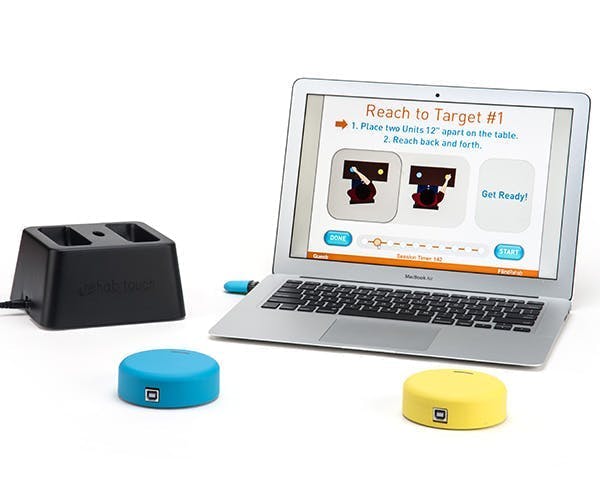
- Using therapy tools designed for high-repetition exercise
- Completing daily tasks like buttoning a shirt or holding utensils
The key is consistency and volume the more repetitions, the stronger the signal to the brain.
Learn More About Repetitive Task Training
3. Mirror Therapy
Mirror therapy is a simple but powerful technique that uses visual feedback to “trick” the brain into thinking the affected limb is moving and feeling normally. By placing a mirror so that it reflects the unaffected side, the brain activates the mirror neuron system and begins to re-engage the sensory and motor areas linked to the numb side. This can help improve both movement and sensation over time.
Mirror therapy is commonly used to promote motor recovery in the hand after a stroke, especially when hand movement is severely affected. This makes it a great rehabilitation method for post-stroke hand paralysis. With time, survivors may notice an improvement in numbness and hand function as neural pathways become stronger.
Learn More About Mirror Therapy
4. Electrical Stimulation
In some cases, therapists may use electrical stimulation to activate the affected muscles and sensory nerves. This can help increase awareness of the limb and provide additional input to the brain, which may support sensory recovery when combined with active therapy.
For example, survivors with neuropathy after stroke or central post-stroke pain can experience improvement in numbness and pain by using electrical stimulation.
E-stim works by providing gentle stimulation to the nerves and muscles and can help engage neural pathways between the brain and limbs. This has been shown to help reduce painful symptoms, which can subsequently improve quality of life.
If you are interested in trying electrical stimulation, talk with your therapy team. There are certain conditions that can make e-stim unsuitable or potentially even dangerous for some individuals.
Learn More About Electric Stimulation (e-stim) After Stroke
5. Desensitization Techniques
If numbness is accompanied by hypersensitivity, discomfort, or even pain, desensitization exercises can be especially helpful. After a stroke, the brain may misinterpret sensory signals, causing certain textures or touches to feel overly intense or unpleasant. Desensitization works by gradually reintroducing these sensations in a controlled and repetitive way, helping the brain “turn down” its response over time.
This process typically starts with gentle, tolerable stimuli such as soft fabrics or light touch and slowly progresses to more varied textures and pressures as tolerance improves. For example, you might begin by brushing the area with a soft cloth, then gradually work up to rougher materials or different temperatures.
Consistency is key. Short, frequent sessions throughout the day are often more effective than longer, occasional ones. Over time, this repeated exposure helps retrain the brain to interpret sensory input more accurately, reducing discomfort and making everyday touch feel more normal again.
6. Functional Use in Daily Life
One of the most overlooked but powerful forms of therapy is simply using the affected area as much as possible. Everyday activities provide meaningful sensory input that helps the brain relearn naturally.
Try to incorporate the affected limb into:
- Eating, dressing, and grooming
- Household tasks like cooking or cleaning
- Hobbies that involve touch and coordination
By consistently practicing as much as possible outside traditional therapy or treatment, individuals can improve their chances and the speed at which sensation returns.
When It’s Pain, Not Numbness
Not everyone has less sensation after stroke. Some people feel burning, electric shocks, pain from light touch, or extreme sensitivity to temperature.
But more sensation isn’t necessarily better sensation.
These symptoms can be linked to central post-stroke pain which happens when the stroke disrupts the brain pathways that process pain. It often involves the thalamus, which is why it’s sometimes called thalamic pain syndrome.
If you are experiencing painful symptoms, don’t try to push through them. Bring them to your doctor, neurologist or rehab team as they will be able to better assess your specific treatment which will usually involve a combination of medication and specific therapies.
You can learn more about your options in our guide on post-stroke pain management.
Staying Safe With Numbness or Reduced Sensation After you Stroke
Numbness after stroke should be taken extremely seriously because the inability to feel poses certain risks. For example, cooking can be difficult and dangerous when you cannot feel your affected arm. If you aren’t paying close attention, you run the risk of accidentally brushing up against the stove or a boiling pot and burning yourself without realizing it.
These habits help your eyes do the job when your brain might not be able to at the moment:
- Check your skin daily, especially hands and feet, for redness, blisters or cuts.
- Test water with your unaffected side before bathing or washing dishes.
- Be careful with heat. Avoid heating pads on numb areas and keep your affected arm away from stoves and hot pots.
- Wear supportive shoes, and check inside them for anything caught under your foot.
- Check braces and splints. If you wear an ankle-foot orthosis like the Flex AFO, look for red marks or rubbing after taking it off.
- Watch your hand during tasks like cooking, so it doesn’t rest against something hot or sharp.
An occupational therapist can suggest more ways to stay safe during your activities of daily living.
Regaining Sensation After Stroke: What to Remember
Numbness after stroke can feel frustrating and unpredictable but while recovery may not be linear progress is still possible even months or years later. The key is consistent/regular practice, using the affected area in daily life, and following your therapy plan to help retrain the brain and improve sensation over time.
As you move forward with recovery, try to keep these three ideas in mind:
- Sensory changes are different for everyone. Numbness, tingling, altered temperature and poor position sense can happen alone or together.
- Sensation and movement work together. Improving how your brain reads feedback can support smoother, more confident movement.
- Practice should be active. Don’t just feel a texture. Guess, compare and check, then bring that same attention into everyday tasks.
Most importantly, be patient with yourself and stay mindful of safety as reduced sensation can increase the risk of injury. With persistence and the right approach, meaningful improvement is always within reach.
We hope this article has helped explain numbness after stroke and subscribe to our newsletter for weekly articles just like this delivered straight to your inbox — subscribe here.
Additional Resources for Numbness After Stroke
If you are looking for more resources for numbness after stroke, here are some additional articles written by our rehab team that you might be interested in:
- Neuropathy After Stroke: Understanding & Treating Nerve Pain: Understand how nerve pain after stroke differs from numbness and how it’s treated.
- Sensory Retraining After Stroke: How It Works & Exercises to Try: Go deeper on the science behind sensory retraining and how therapists structure it.
- Understanding the Tingling Sensation After Stroke: Causes & Treatment Methods: Learn why pins and needles show up after stroke and what helps calm them.
- How To Improve Proprioception After Stroke: 4 Key Strategies and Tips: Build better position sense for safer walking and steadier hands.
- 7 Practical Strategies for Managing Central Post-Stroke Pain for Yourself or a Loved One: Find out what to do when sensation turns into burning or electric pain.
In addition, check out our recent webinar from neuro therapist Rachel Higdon on why sensory changes can happen after stroke, how they may affect movement and everyday activities, and practical ways to safely work on sensation at home.