Post Stroke Symptoms Getting Worse? How to Get Back on Track
Are your post stroke symptoms getting worse? Sometimes regression after stroke is a normal part of the recovery process, but it can also be a sign

Are your post stroke symptoms getting worse? Sometimes regression after stroke is a normal part of the recovery process, but it can also be a sign
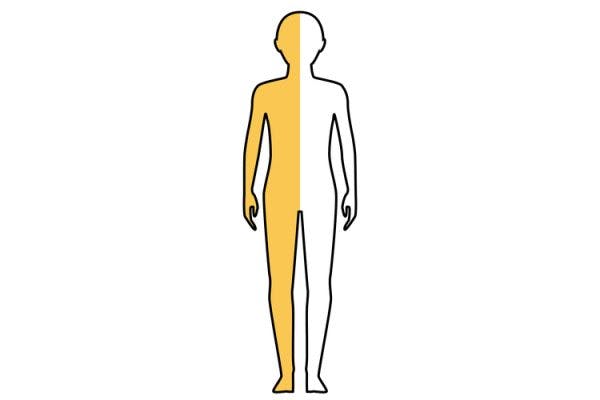
Left hemiplegia describes paralysis of the left side of the body due to neurological injury. This secondary effect commonly occurs following a stroke or traumatic

Seizures after a stroke occur because of changes in electrical activity within the brain. However, just because you’ve had a stroke does not mean you’ll
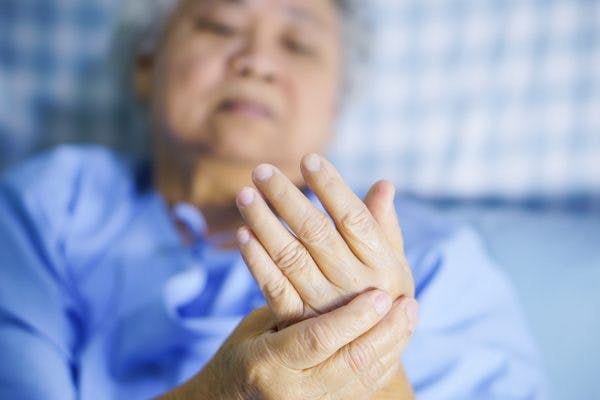
Post-stroke movement disorders, such as tremors, affect 1-4% of stroke survivors. Tremors after stroke are characterized by rhythmic, unintentional shaking of one or more body
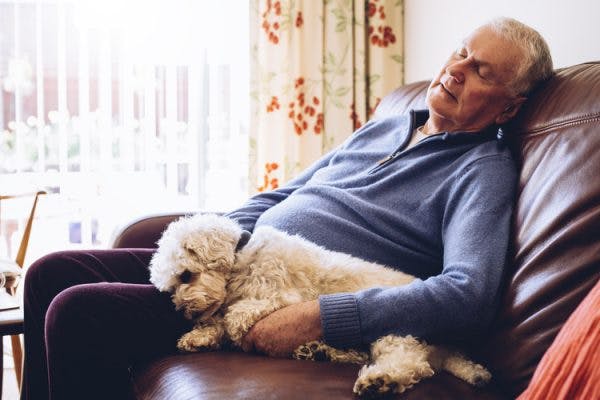
Fatigue and excessive sleeping after stroke may fall under a condition known as excessive daytime sleepiness (EDS), or hypersomnia. People with EDS often feel overcome by the
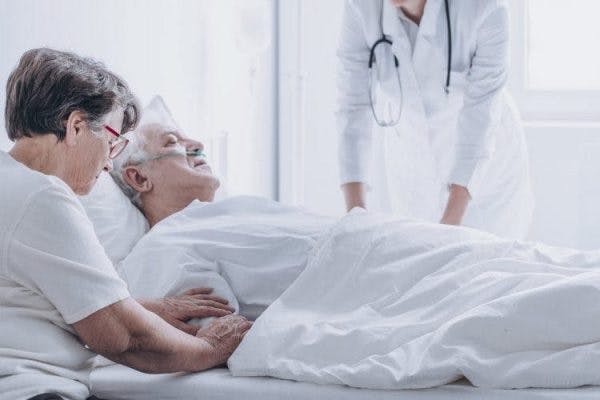
When a loved one falls into a coma after stroke, it can be very distressing. While it is impossible to know if or when someone

Combative or aggressive behavior after stroke is a negative secondary effect frequently observed in survivors. This is especially true in the acute stage of recovery.

Contractures after stroke are a common complication and are characterized by stiffening or tightening of muscles, joints, and tendons. Contractures can develop in any joint

Shoulder subluxation after stroke occurs when the arm becomes partially dislocated from the shoulder socket due to muscle weakness or paralysis. While this secondary effect of

Ocular migraines and stroke are two conditions that share similar symptoms and can often be confused. Although an ocular migraine alone does not indicate a