Anger After Stroke: Understanding the Triggers & Effective Coping Tips
Anger after stroke can occur for many reasons. Changes in emotional regulation after stroke may occur due to altered brain chemistry or as a result

Anger after stroke can occur for many reasons. Changes in emotional regulation after stroke may occur due to altered brain chemistry or as a result
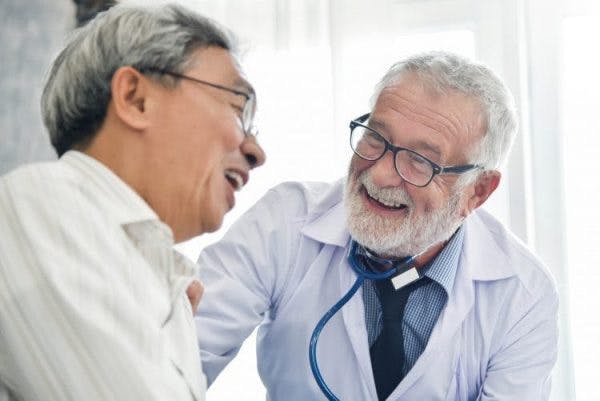
Over half of all stroke survivors experience a stroke affecting speech. When a stroke affects speech or language, it can impact the ability to communicate

Uncontrollable emotional outbursts are common after stroke and are often attributed to a condition known as pseudobulbar affect. This secondary effect of stroke leads to extreme

The effects of a stroke vary widely, but one common question from survivors is “How does a stroke affect the muscular system?” There are many
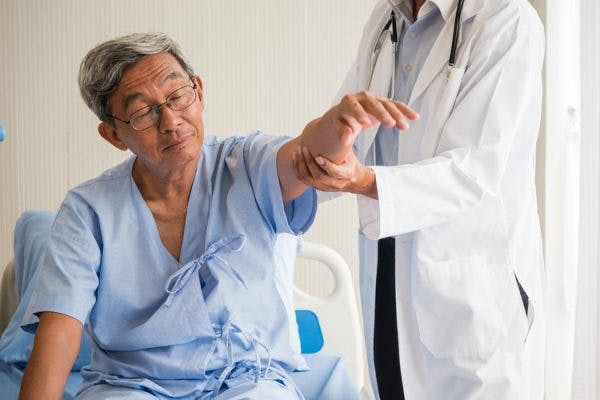
Learned nonuse after stroke is a complication that affects many survivors. This takes place when an individual ignores or avoids their affected limb, often after
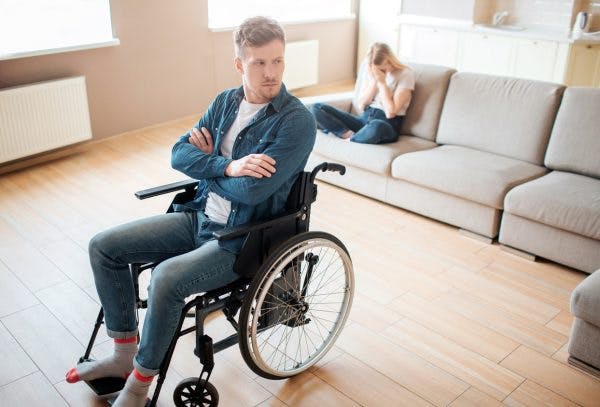
Self-centered behavior after stroke is one of the many potential personality changes a survivor may experience. This can be the case regardless of the survivor’s
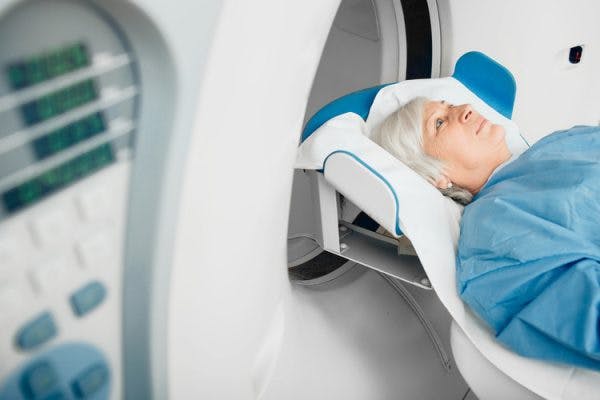
Determining the difference between vertigo vs. stroke can be challenging, which leads to frequent misdiagnosis. This can have serious consequences when stroke is not treated

Mood swings after stroke can be a normal part of the recovery process. This often occurs due to the many changes that have taken place
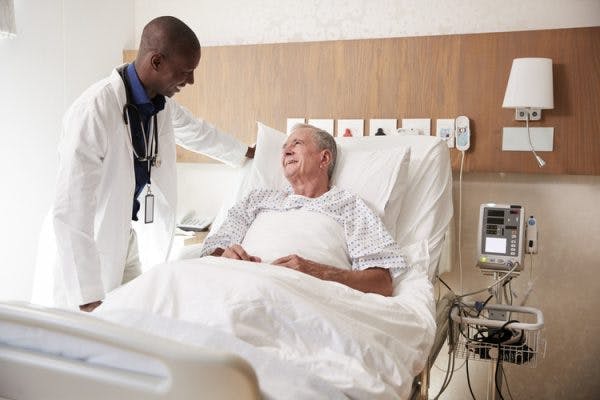
A stroke is a major neurological injury, and some survivors will have the experience of being bedridden after stroke. While this term may sound extreme,
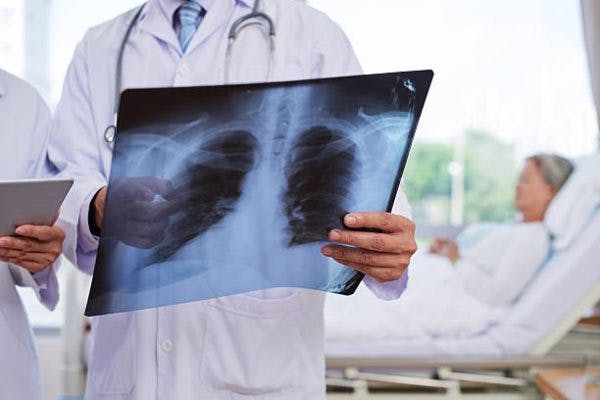
One of the most common medical complications after stroke is aspiration pneumonia. In fact, according to most estimates, one in three stroke survivors will develop pneumonia at